
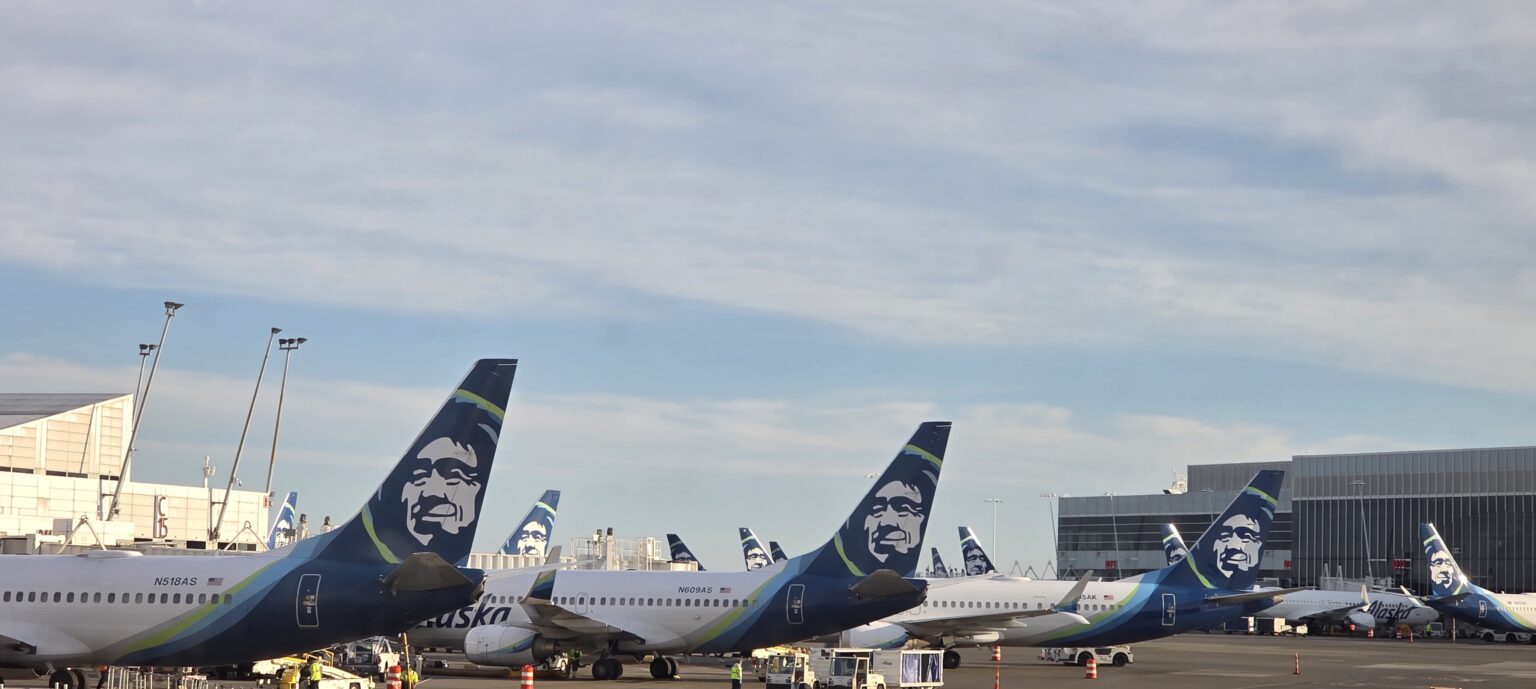
At nearly 10:45 p.m Tuesday night, the city of SeaTac froze new construction permits at Seattle-Tacoma International Airport for six months. The city wants a say in whether the airport adds a second terminal with up to 19 gates. It wrote the ordinance broadly enough that it looks like it will even hold up the new Chase Sapphire Lounge inside the existing terminal. SeaTac is the city of 32,000 people where the airport sits. The Port of Seattle runs it. The Port says it got almost no notice of the vote and is prepared to go to court. Seven months ago, the council authorized negotiations over how much the Port should pay the city, and it appears the city wants leverage to extract additional funds from the airport. What SeaTac Actually Stopped Work under existing permits can continue, but until May 24, 2027, the city says neither it nor the Port of Seattle can even accept a new permit application to build, expand or modify any airport-related facility. A complete building permit application received before November 24 can proceed. So can repairs to an existing facility to address an immediate threat to life or public safety. A public hearing will come January 12, seven weeks after the freeze took effect. Why the late-night rush? The Port expects to finish its state environmental review by year end. Once it files complete permit applications, it can lock in the rules in effect that day. Mayor Mohamed Egal and the council say they wanted time to negotiate over noise, air quality and traffic while the city could still change the terms. SeaTac, along with two other nearby cities, had already challenged the FAA’s environmental approval for airport expansion in the Ninth Circuit and asked the Port to wait for the court before finishing its own review. The freeze covers all 31 near-term projects in the airport master plan, including taxiway extensions and a cargo warehouse. At stake is an expansion that supports 64.1 million passengers in 2037 versus 59.5 million – an additional 4.6 million passengers per year and 96 more takeoffs and landings a day. What Happens To The Chase Lounge And The Club At SEA? The Port Commission approved the 16,000 square foot Chase Sapphire Lounge on October 27. Chase got approval for a 15-year lease. It still needs to build the lounge. The Port expects to earn about $7.9 million a year from the deal. There are three lounges involved. United is building a new United Club on Concourse B, where the airport’s original American Express Centurion Studio used to be. The Priority Pass-accessible Club at SEA is supposed to take over United’s current 6,180 square feet near A9. Chase gets The Club’s current 4,238 square feet near A12, plus the adjoining expansion space. The Port’s October schedule puts both demolition at A12 and the takeover of United’s space in the third quarter of 2027. The July schedule for United’s new club had it opening a quarter later. (Those dates can’t hold, because United needs to move out before The Club can move in – and The Club needs to move out for Sapphire lounge construction, though clubs can just shut down for a period.) The handover comes after the freeze expires, but you’d normally want to get permits moving before taking over the space. Chase’s buildout could get caught, and the city suggests they want this pause extended. Can The City Do This? I don’t see how the city of SeaTac can actually enforce this as-written. Washington law allows a six-month land use moratorium with a public hearing within 60 days, and they’re planning the hearing. But SeaTac has already signed an agreement exempting the core property from city development rules and giving the Port responsibility for building permits there, acting as the city’s agent. The city is breaking that deal that they’ve been paid for. And the Ninth Circuit Court of Appeals has spoken to part of this. Los Angeles used an emergency ordinance to require city approval for work on a parcel at Burbank Airport just as the airport was about to extend a taxiway. The court held that a city that doesn’t own the airport can’t delay runway or taxiway construction that way. It’s pretty on-point for Seattle airport to go ahead with taxiway work. The FAA grant assurances bind the Port as the airport sponsor. Assurance 5 requires it to preserve the authority to meet its federal obligations. Assurance 19 requires it to operate and maintain the airport safely. The Port can’t just wait until a repair becomes an immediate safety emergency – both for good management, and because it has an obligation to the federal government not to that it took on when accepting federal funds. . This Is Supposedly An Environmental Dispute People under the flight paths breathe a different mix of particles than people elsewhere in the county according to University of Washington researchers who report ultrafine particles from arriving aircraft. The city of SeaTac says people of color make up 55% of county residents closest to those flight paths. I wrote in September about residents who sued Alaska Airlines, Delta Air Lines and the Port of Seattle over jet exhaust reaching their homes. The Ninth Circuit rejected their state law claims because Congress put aircraft emissions standards in federal hands. And that’s about what they say is happening now, regardless of airport expansion (or permits inside the current terminal for lounges). What The Fight Is Really About In April the council set up a committee to negotiate a replacement for its deal with the Port of Seattle, which expires in 2028. Under the current agreement the Port pays $1.4 million a year into SeaTac’s general fund for public safety and enforcement. SeaTac agreed it wouldn’t ask for more money for those purposes during the term of the agreement. When that deal was approved, Port staff said paying it out of airport revenue would violate federal rules (cities can’t raid an airport for money when the airport is getting federal funds, because that effectively just diverts federal dollars). In August, SeaTac and neighboring cities made environmental comments that include additional dollars they want. The Port leased three commercial parking lots for airport employees. Employees parking there no longer generate the tax that paying customers did, and SeaTac says it’s out about $600,000 a year. The cities asked for commitments to cover lost revenue and service costs. They also asked for sound insulation and gate power so aircraft have to shut down their engines. This plays into everything Seattle gets mocked for on development. A passenger might have to wait longer for a better place to eat breakfast because somebody who moved next to the airport gets exposed to exhaust from planes. At root it’s an objection to air travel – and development – itself. But the environmental claims and pause on airport development give the city of SeaTac a bargaining chip. Every additional unrelated permit it can hold up makes that chip even more valuable. The city is likely to suddenly become fine with the same planes flying over the same houses with the same emissions as soon as it’s able to extract a bigger check in their renewal deal with the airport. (HT: Enilria) Topics on this page
SeaTac Freezes Permits For Seattle Airport’s Expansion — Environment Used As Fig Leaf For Tax Revenue Fight
Full Article
Original Source
Read the full article at Viewfromthewing →KhanList aggregates and links to publicly available news content. We do not host full articles from third-party sources. Always verify important information with original sources.