
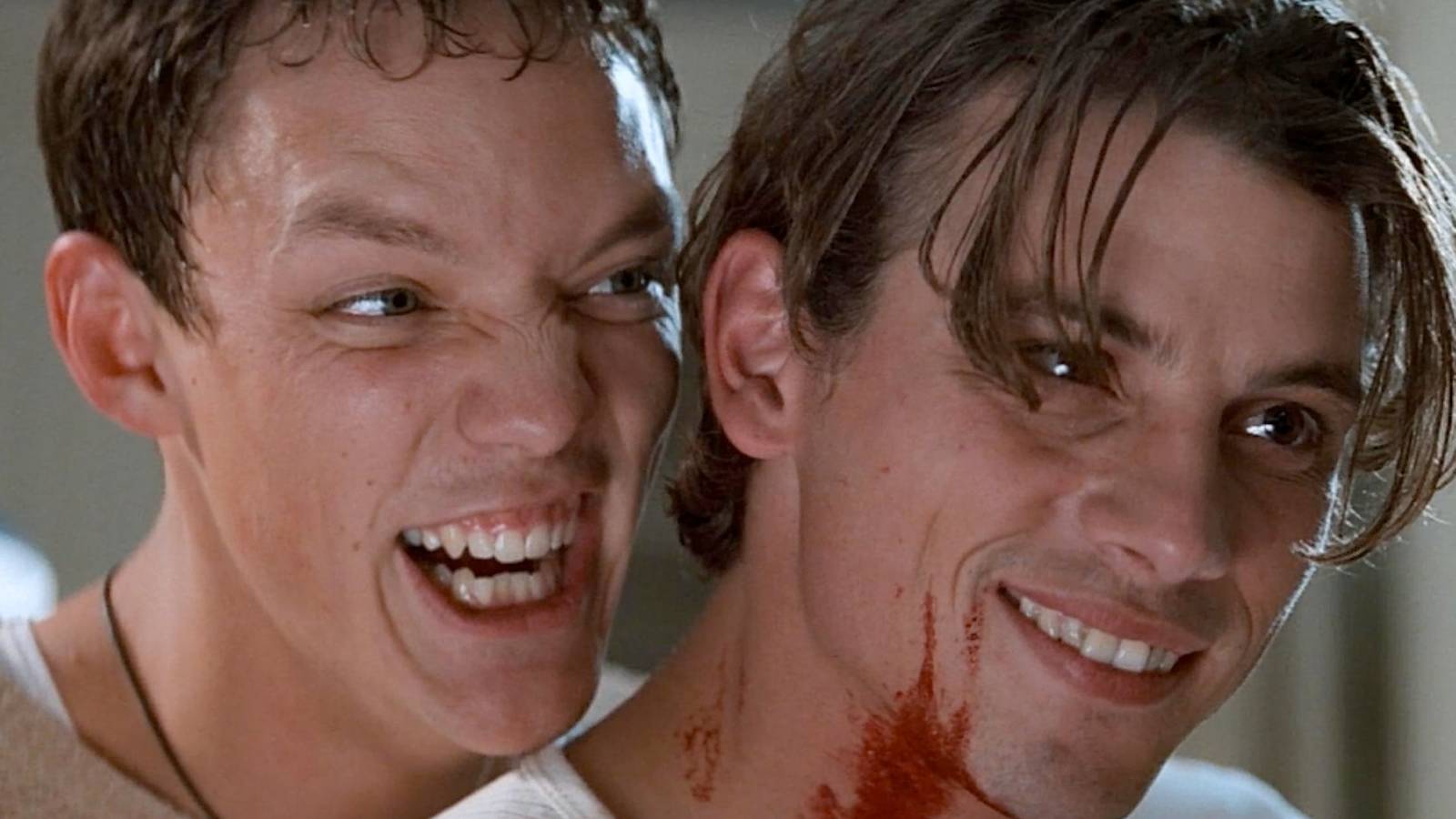
Published Aug 25, 2026, 5:00 PM EDT Richard Craig is a Senior Author at Screen Rant covering film and TV. Richard has also written extensively about horror and film soundtracks, contributing a chapter to the first major academic collection on the folk horror genre, The Routledge Companion to Folk Horror. Richard is also a performing musician and holds an MA in Music and Sound Art. The original Scream practically told audiences who Ghostface was long before Billy Loomis and Stu Macher pulled off their masks. Released in 1996, Wes Craven's slasher classic reinvented the horror genre by combining a traditional whodunnit mystery with sharp meta-commentary about horror movies. Scream constantly invites viewers to play detective, dropping clues, red herrings, and suspicious behavior throughout its runtime. Some hints are relatively obvious in hindsight. Billy Loomis conveniently appears moments after Sidney Prescott's first attack and lacks a convincing alibi. Stu Macher has an apparent motive to target Casey Becker, his ex-girlfriend and the victim of the opening murder. Billy openly threatens Randy Meeks at the video store, while Stu casually demonstrates an alarming knowledge of how to gut someone during a discussion about horror movies. Scream also repeatedly draws attention to horror tropes. Characters constantly reference films like Halloween and Friday the 13th, but those conversations often contain clues disguised as jokes. Even the physical evidence is there for attentive viewers willing to look closely. Scream is such a rewarding rewatch because the truth isn't hidden. Craven and screenwriter Kevin Williamson place the answers directly on screen. Audiences were simply too distracted by the mystery, the humor, and Ghostface's terrifying phone calls to notice them. The Opening Scene Requires 2 Killers The biggest clue in Scream arrives before the opening credits. During Ghostface's phone call with Casey Becker, the killer asks her whether he's standing at the front door or the patio door. He claims she'll survive if she guesses correctly. The line seems like another cruel taunt, but it raises an important question about how the killer could cover both exits. Ghostface clearly had no intention of letting her live, so there must have been one waiting at each. Of course, Casey is subsequently scared by a chair being thrown through the window before she can choose, but the killer’s quick appearances at multiple locations confirms this theory. The original Scream spends most of its runtime convincing audiences that only one killer exists. This opening scene subtly reveals the truth from the very beginning. Billy And "Don't Fear The Reaper" Wes Craven practically puts a neon sign over Billy Loomis during one of his earliest scenes. When Billy climbs through Sidney's bedroom window, he and Sidney eventually make their way to the bed. As they begin to fool around, Blue Öyster Cult's "Don't Fear the Reaper" begins playing. On first viewing Scream, it's simply a memorable song choice from the era. On a second viewing, it's hard to miss the symbolism that Billy is the Reaper. In this scene, the song encourages her relationship with the killer. The song “Don’t Fear the Reaper” itself features lyrics relating to Romeo & Juliet and other tragic romances that transcend physical bodies, with some interpreting this as culminating in a murder-suicide. This foreshadows Billy’s plan to kill her after faking his own attempted murder. Billy & Stu's Boots Match The Killer Ghostface's costume conceals nearly every identifying feature, but Scream repeatedly shows the killer's footwear. During scenes such as Sidney's first attack and the bathroom scene, audiences get clear glimpses of Ghostface's boots. Later, Billy and Stu are both seen wearing remarkably similar boots, particularly during the fountain sequence outside school. It's a subtle detail that becomes impossible to ignore on rewatch. To Wes Craven's credit, Sheriff Burke also wears similar footwear, creating a useful misdirect to keep the audience guessing. Craven wanted observant viewers to have a chance at solving the mystery, and the footwear is one of the biggest clues in the entire movie. Stu Says "Easy, Easy" While Chasing Sidney One of the strangest clues comes from Matthew Lillard's voice. When Ghostface attacks Sidney at her house and chases her upstairs, the killer can be heard saying, "Easy, easy." More importantly, it’s very clearly Matthew Lillard. The giveaway becomes even stronger later in Scream. During the locker scene at school, Stu uses the exact same phrase while talking to Tatum. Lillard's distinctive delivery is almost identical both times. The voice was added to the scene to add a subtle clue, with Skeet Ulrich also adding grunts to Scream scenes in which Billy was the killer. Most viewers won't notice it during their first watch because the chase sequence is so intense. Once the audience knows Stu is under the mask, however, the voice match becomes surprisingly obvious. Stu Checks His Face For Injury The day after Sidney's attack, Stu behaves in a way that initially seems like idiosyncratic teenage vanity. While standing with Sidney and Tatum near the school lockers, Stu checks his reflection in a small mirror. The moment plays as comedy, fitting his goofy personality. Viewed in context, it serves a very different purpose. The previous night, Sidney fought back against Ghostface during the attack at her house. If Stu was the killer, he would naturally be worried about visible bruises, scratches, or injuries that could connect him to the crime. It's a tiny character moment that largely sits in the background of the scene. However, it gains entirely new meaning after Scream's final reveal. Stu Heads Back Into School Before The Principal Is Killed The murder of Principal Himbry initially appears disconnected from the main suspects. However, Scream subtly shows Stu creating an opportunity. In the final scene before Himbry's death, Stu walks with Sidney and Tatum outside the school after all classes have been suspended. They talk about throwing a party, and as the conversation ends, Sidney and Tatum continue walking away. Though they are clearly continuing home, Stu turns around and heads back toward the school building. Moments later, Principal Himbry is killed. Scream never calls much attention to Stu's movement, but it places him exactly where he needs to be before the murder occurs. It’s a very quick clue, and one that could easily be written off, but there is no real explanation considering the school has been closed. The Video Store Scene Nearly everything Billy and Stu do in the video store scene screams guilt. First, Stu pushes the theory that Sidney's father is the killer, drawing attention away from themselves. Stu repeatedly insists on the idea despite having little evidence to support it at this juncture. Framing Sideny’s father is later revealed to be their plan. More suspiciously, Billy and Stu physically trap Randy during the conversation. Billy openly threatens him, while Stu repeatedly scans the room to make sure nobody is paying attention. Their behavior feels less like a casual disagreement and more like two conspirators trying to control a narrative. The scene works brilliantly because Randy appears equally suspicious to first-time viewers. In reality, the real killers are surrounding him. Stu Is The Only One Who Doesn't Flinch While Watching The Horror Movie The party sequence contains one of Scream’s smartest behavioral clues. While everyone watches Halloween, there are scenes of characters reacting to onscreen violence. During one kill scene, everyone visibly flinches, including Stu, whose reaction is exaggerated enough to suggest its performative. A subsequent violent moment seconds later occurs while nobody is looking directly at Stu. This time, Randy and the others react naturally. Yet Stu doesn't flinch at all. Instead, he smiles and laughs. It's a subtle difference, but it suggests Stu's no longer feigning the innocent teenager and briefly allows his darker desires to be exposed. Unlike everyone else in the room, he's clearly relishing the violence and murders on screen as only the killer would. Stu Disappears While The Party Watches Halloween Stu's whereabouts become increasingly suspicious during Scream’s final act. First, he leaves the living room to get more beer from the garage. Given that Tatum's body is hanging there, he would have discovered her during this trip but doesn’t raise the alarm. Interestingly, Stu was also the person to send Tatum into the garage in the first place, where Billy killed her moments before he supposedly arrived at the party. Stu subsequently appears at the front door. He says goodbye to departing guests and is still playing the goofball despite presumably finding his dead girlfriend moments prior. After that, he effectively vanishes. While the remaining guests are focused on Halloween, Stu does not return to watching the movie. This leaves him free to move around the house and carry out Ghostface's attacks, including the staged one of Billy. Billy's Shirt Doesn't Have Stab Holes Billy's fake death is surprisingly easy to spot. Near the climax, Ghostface appears to stab Billy. The attack convinces the audiences (and Sidney) that Billy cannot possibly be the killer and shifts suspicion elsewhere. When Billy later reappears and falls down the stairs, his purportedly blood-soaked shirt is completely intact. There are no knife holes in the white T-shirt where he would have been stabbed. It’s revealed this was because the stabbing was faked, and all the blood was in fact corn syrup. Scream relies on viewers being too distracted by the apparent attack to inspect the evidence. In hindsight, Billy's clothing practically exposes the entire deception before Scream’s final reveal. Release Date December 20, 1996 Runtime 112 minutes Director Wes Craven Cast Neve Campbell Sidney Prescott
Scream: 10 Clues That Gave Away The Ghostface Identity Twist You Might've Missed
Full Article
Original Source
Read the full article at Screenrant →KhanList aggregates and links to publicly available news content. We do not host full articles from third-party sources. Always verify important information with original sources.