
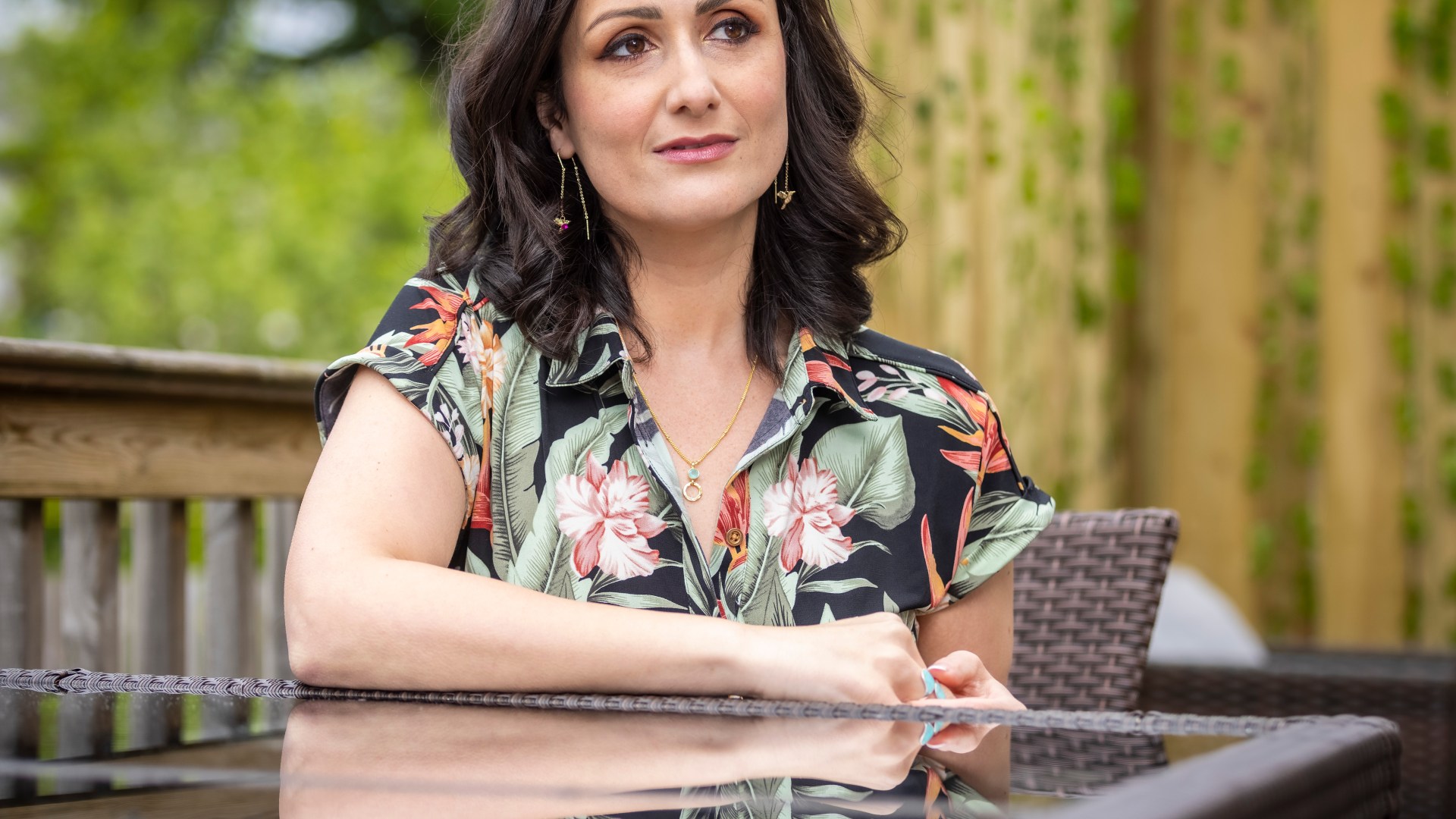
Credit: The Sun WHAT is particularly striking about Zara’s column is how relatable it is. While her experience is frighteningly common, it certainly does not make it any easier to talk about, and it is tremendously courageous that she has chosen to share her experience the way she has. Zara opened up about her rape ordeal this week. Credit: Andrew Barr Credit: The Sun Nicola Love from rape Crisis Scotland has praised Zara for speaking out. Credit: Scottish Sun Credit: Nicola Love Because most women have a story like Zara’s or, more concerningly, even more than one. And that is not easy to come to terms with, much less talk about in a national newspaper. Sign up for the Fabulous newsletter Thank you! Survivors who use our services sometimes tell a Rape Crisis worker what has happened to them before they tell anyone else. Some women tell us they are afraid that they will not be believed. They tell us they feel embarrassed or ashamed, and might have spent a long time blaming themselves for what has happened. Sometimes, as in Zara’s case, it takes a long time to recognise or come to terms with the fact that what happened to them is rape or sexual abuse. The latest figures on rape and sexual offending in Scotland make for grim reading. The number of reported rapes and attempted rapes in Scotland has risen by eight per cent over the last year and almost one third (32 per cent) in the last four years. Data released by the Scottish Government showed that 16,560 sexual offences had been reported to police in 2025-26. Of course, these figures do not represent the many survivors of rape and sexual violence who choose not to report what has happened to them to the police. Most read in Fabulous There will always be far more survivors than are ever captured in crime statistics. Some people — usually police officers or government ministers — like to say that these mean increased confidence in the criminal justice system. The number of survivors coming forward to report something that happened a long time ago is increasing, which indicates that this is partly true. However, as Rape Crisis services across Scotland face growing demand for support every year, we must face the uncomfortable reality that these figures also represent a serious and concerning increase in rape and sexual violence — and that means we have to think very seriously about how we can tackle that. When we think of rape, we tend to think of unlit parks and dark alleyways. We know that attacks like this happen and that it has a profound impact on both individual survivors and women and girls who deserve to feel safe in their own communities. However, what is much less understood, and what Zara’s experience tells us, is that survivors are overwhelmingly more likely to be raped or abused by someone they know. We know that rapists exist, but we find it difficult to accept when the offender is not some anonymous figure lurking in the shadows but someone we know — a family member, romantic partner or someone who would have been considered a friend — who has exploited the trust placed in them and carried out the most horrific kind of abuse. When it’s someone you know, it can be hard to wrap your head around the fact they are capable of something like that. First Minister John Swinney has made a pledge to tackle violence on women and girls and promised “significant measures” in his Programme for Government, which is expected to be released tomorrow. The First Minister and his Cabinet have been talking with organisations like Rape Crisis Scotland about how best to achieve that. As well as chiding them for unacceptably low funding for specialist sexual violence support — Rape Crisis funding has been frozen for several years, resulting in severe real-terms cuts across Scotland — we’ve also been talking about ways to stop sexual violence from occurring in the first place. A crucial part of response is prevention. We want every young person in Scotland to 1) have the tools to recognise and challenge the increasingly violent and misogynistic content they’re coming up against online and 2) have access to age-appropriate education around healthy relationships and issues like consent. It feels like we’re going backwards. Young women and girls tell us they are being sexually harassed in school. Young men are being manipulated by so-called manosphere influencers like Andrew Tate, who himself has been charged with rape and offences relating to sex trafficking and indecent images of a child. These opportunistic grifters are making themselves rich by promoting dangerous rhetoric about women, and what it means to be a man, while the rest of us suffer the consequences of the increased sexual violence that their misogynistic bile brings about. Which brings us back to Zara’s story. Women and girls need to grow up in a world where the man who is a partner does not become a perpetrator, where girls are able to go to school or log onto social media without fear of sexual harassment and where survivors are believed and supported no matter who their abusers are. Comment now
Scots charity praises bravery of Scottish Sun columnist Zara after she revealed rape ordeal
Full Article
Original Source
Read the full article at Thesun →KhanList aggregates and links to publicly available news content. We do not host full articles from third-party sources. Always verify important information with original sources.