
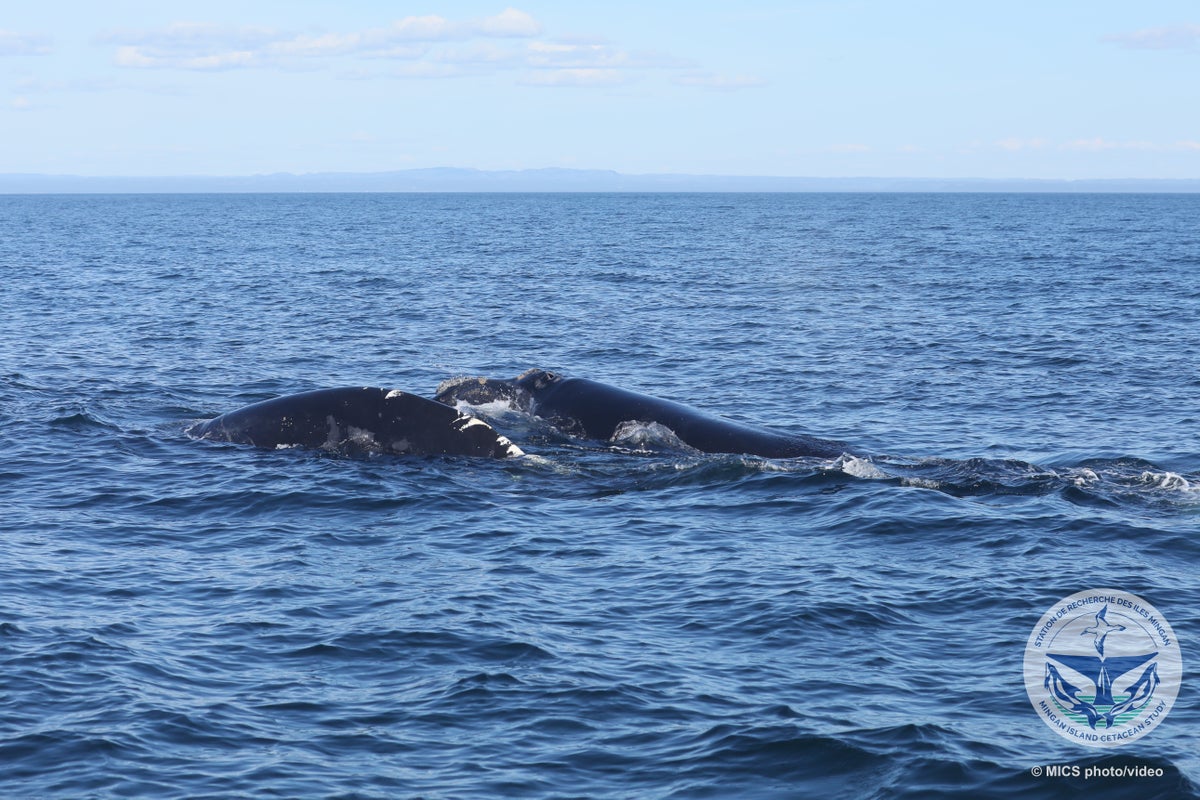
Missing a 15,000-pound (6,804-kilogram) baby seems difficult, but scientists tracking rare marine life did just that for months, and the oversight has brought unexpected relief.In September, researchers in Canada photographed an unidentified baby North Atlantic right whale off Anticosti Island in Quebec. Boston's New England Aquarium analyzed the images and data, determining the calf was likely born months ago but went undetected during winter surveys.The discovery brings the count of newborn right whales from the latest birthing season to 24, marking the species' most productive year since 2009 and the fourth highest on record. The global population totals only around 380, having declined steadily since 2010.The calf was seen alongside its 38-year-old mother, known to researchers as Silt. Right whales typically give birth off the southeastern U.S. coast in winter before traveling north to New England and Canada to feed.Extensive photographic cataloging makes unrecorded births a rarity. Amy Warren, a scientist at the New England Aquarium’s Anderson Cabot Center, described the finding as a welcome surprise."Silt was briefly seen in the southeastern U.S. calving grounds in February 2026, so it’s possible she had the calf there but snuck away before they were documented together. This is an exciting discovery for us so late in the year," Warren said.Scientists closely monitor births because the fragile population requires successful calving seasons to remain viable. Only about 70 reproductive-age females remain, and annual counts have surpassed 20 calves only a few times since 2010.Baby Right WhaleBetween 2010 and 2020, the population dropped by roughly 25 percent. The whales face severe risks from ship collisions and fishing gear entanglements, compounded by ocean warming shifting them outside protected waters. In 2018, zero births were recorded.Though numbers have rebounded slightly since 2020, conservationists have condemned recent U.S. government decisions to delay new species protections for a decade to aid commercial fishing.The calf was spotted by the Mingan Island Cetacean Study, a non-profit based in Quebec’s Côte-Nord region, after missing boat and aerial surveys along the U.S. East Coast all spring and summer.Richard Sears, founder and director of the study, celebrated the calf's addition to a successful breeding year."It just goes to show you how big the ocean is, and how those animals can get lost out there," he said.
Scientists surprised to find 15,000-pound baby whale off Canadian coast
Full Article
Original Source
Read the full article at Independent →KhanList aggregates and links to publicly available news content. We do not host full articles from third-party sources. Always verify important information with original sources.