
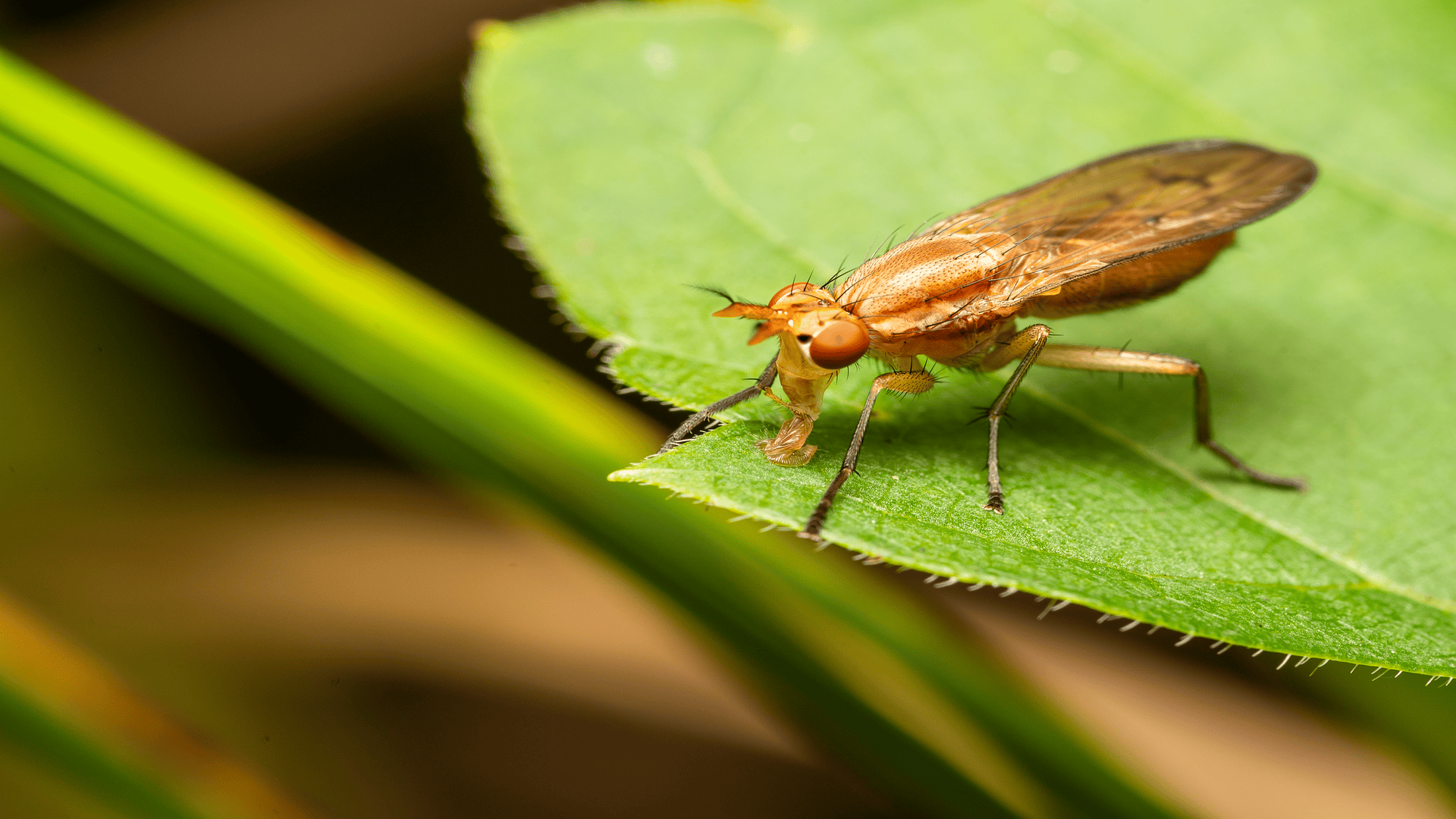
As temperatures rise across the globe, scientists have identified a specialized lipid barrier that protects developing fruit flies from dehydration. This finding may help explain insects’ ability to adapt to changing temperatures. Fruit flies, or Drosophila, begin life as larvae that feed and burrow in decomposing fruit. Before becoming adults, they move to drier environments and enter the pupal stage, during which they undergo metamorphosis. According to the team at the Francis Crick Institute, adult fruit flies have a hydrophobic lipid coating made of long hydrocarbon molecules that blocks water loss. Before this, researchers did not know how pupae protected themselves against dehydration. To investigate this protective mechanism, the team adapted analytical methods used in the petroleum industry and combined them with molecular imaging techniques. Secret to hydration The researchers found no detectable hydrocarbons on the outer body of the pupae, called the cuticle. Instead, the protective barrier was lined on the inner side of the cuticle and contained hyper-long hydrocarbons, much longer than those typically found on mature adult flies. The study also found that specialized cells in the larva, called oenocytes, produce these hydrocarbons before metamorphosis. The molecules are stored in the larval fat body until they are needed during the transition to the pupal stage. Co-first author and principal laboratory research scientist at the institute, Clare Newell said that the immobile pupal stage is especially vulnerable because it cannot move to a cooler or less dry environment. “It’s fascinating that the larva prepares for this challenge before metamorphosis, building a resource of hyper-long hydrocarbons. Embracing techniques normally used outside biology helped us to reveal one of the many hidden secrets of metamorphosis,” she added. In the study, they discovered “a key enzyme that ensures the development of a specific lipid barrier in the pupa that protects it from water loss in hot and arid conditions.” The researchers noted that Drosophila can survive only within certain environmental limits, and their research on this enzyme has helped define those boundaries. According to the study, longer hydrocarbons were associated with greater dehydration resistance. Shorter hydrocarbons were more volatile and functioned as airborne chemical signals. The researchers examined six fruit fly species and found that five generally transitioned toward shorter hydrocarbons during adult maturation. However, the desert species Drosophila mojavensis retained hyper-long hydrocarbons even as an adult. The study’s authors suggested that maintaining these longer molecules may reflect the importance of dehydration resistance in arid environments, possibly helping their survival in extreme conditions. Climate change impacts insects The researchers concluded that the lipid barrier protecting Drosophila melanogaster during metamorphosis cannot prevent lethal dehydration when high temperatures and low humidity occur together. That concerns how climate change might affect these insects. According to the study, “These humidity and temperature values are found in many areas of our planet, so given the pace of climate change, D. melanogaster and some other species may struggle to adapt rapidly enough to survive within some or all of their current geographical ranges.” Alex Gould, group leader of the Physiology and Metabolism Laboratory at the Crick and senior author, emphasized the importance of understanding insect survival under changing environmental conditions. “Insects are vital to life on Earth, pollinating three-quarters of global food crop species. With the backdrop of human-induced climate change, it’s important to understand the resilience of insects to increases in aridity and temperature. We hope that this work in Drosophila will inspire similar research in other insect species, including those that play an important role in our food chains,” Gould added. The findings were recently published in Science Advances. Get the latest in engineering, tech, space & science - delivered daily to your inbox.Originally from LA, Maria Mocerino has been published in Business Insider, The Irish Examiner, The Rogue Mag, Chacruna Institute for Psychedelic Plant Medicines, and now Interesting Engineering.
Scientists discover hidden barrier that protects fruit flies from rising heat
Full Article
Original Source
Read the full article at Interestingengineering →KhanList aggregates and links to publicly available news content. We do not host full articles from third-party sources. Always verify important information with original sources.