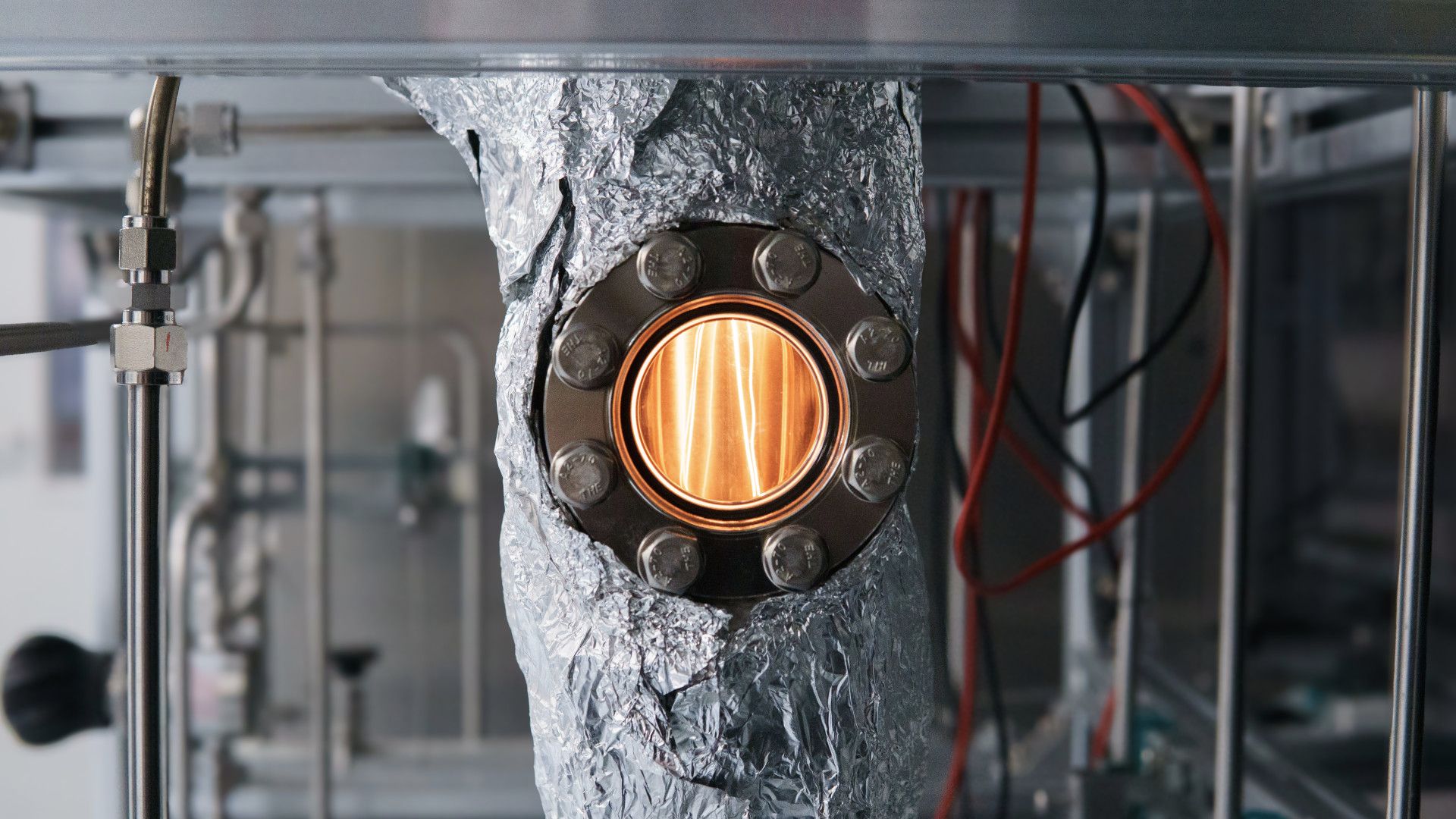
Unlike conventional industrial reactors that require heating entire reaction chambers, the lightbulb-inspired system concentrates heat precisely where it is needed. This targeted heating significantly improves energy efficiency, reduces heat losses, and lowers operational costs. The compact design could also make chemical production more flexible, allowing smaller, decentralized facilities instead of massive industrial plants.The innovation demonstrates how rethinking familiar technologies can lead to breakthroughs in sustainability. By borrowing the basic operating principle of a lightbulb and applying it to chemical engineering, the NUS research team has developed a reactor that combines simplicity with high performance.As industries worldwide seek practical solutions to achieve net-zero emissions, technologies like the filament-catalyst reactor could play a vital role. Cleaner production of fuels, chemicals, and hydrogen will be essential for reducing emissions from hard-to-abate sectors such as manufacturing and heavy industry.Although further development and commercial scaling are still required, the research represents an important step toward more sustainable industrial processes. It highlights how innovative reactor designs can improve energy efficiency while supporting the global transition to a low-carbon economy.The study also underscores the importance of interdisciplinary research, where insights from physics, materials science, and chemical engineering converge to solve complex environmental challenges. With continued investment and industry collaboration, such technologies could help reshape the future of clean manufacturing and accelerate global decarbonization efforts. Although laboratory results are highly encouraging, several hurdles remain before the reactor can be deployed commercially. Researchers must demonstrate long-term durability, maintain stable operation under continuous industrial conditions, and scale the technology from laboratory prototypes to large-scale production systems. Economic competitiveness and integration into existing industrial infrastructure will also be critical factors.The lightbulb-inspired reactor demonstrates how creative engineering can transform familiar ideas into powerful solutions for global challenges. By combining localized electric heating with advanced catalytic chemistry, the technology offers a more efficient way to produce essential chemicals while reducing carbon emissions.As industries seek cleaner alternatives to conventional manufacturing, innovations like this could play an important role in decarbonizing sectors that have traditionally been difficult to make more sustainable. While additional research and commercial development are still needed, the reactor represents a promising advance toward a low-carbon industrial future.
Scientists develop new lightbulb-inspired reactor that could transform industrial decarbonization
Full Article
Original Source
Read the full article at Interestingengineering →KhanList aggregates and links to publicly available news content. We do not host full articles from third-party sources. Always verify important information with original sources.