
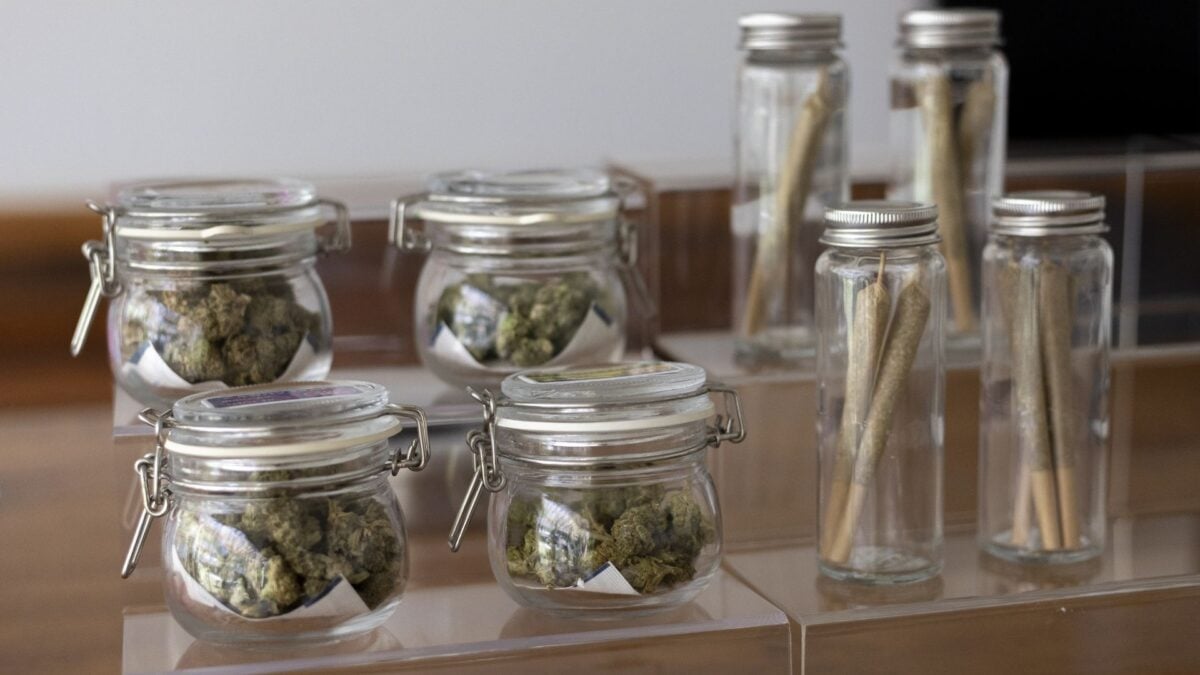
If you’re a fan of cannabis, listen up: Scientists are warning that legal recreational weed products are often missing some important details on their packaging. Researchers at the University of Colorado Boulder analyzed hundreds of cannabis products sold by dispensaries across the state. Just one in seven products had all the warnings and other information required on their labeling, they found. Cannabis flower products were especially misleading or inaccurate, with only half listing the correct amount of tetrahydrocannabinol (THC) they contained. “Unfortunately, when it came to warning labels, compliance overall was not great, and when it came to flower, it was pretty abysmal,” said lead author Grace Macdonald, a professional research assistant at the Center for Health and Neuroscience, Genes, and Environment, in a statement from the university. Often wrong or missing info The team has previously compared the advertised THC labeling of cannabis products, finding they often didn’t align with the actual contents measured with lab tests. This time around, they took a broader look at labeling in general. Federal law has greatly limited how researchers can work with recreational cannabis, which is still classified as a Schedule I controlled substance. So the team partnered with the company MedPharm Holdings LLC for this study and others. They had a secret shopper buy 480 cannabis products at 52 dispensaries in the state. The products ranged from pre-rolled joints to high-potency extracts called concentrates; medical cannabis and edible products were not collected, however. On the positive side, more than 99% of products had the universal symbol for containing THC. About 97% also had appropriate warning labels about the potential dangers of driving while high or taking cannabis while pregnant. But just over 51% contained expiration dates, and only 14% had all of the labeling mandated by the state. Meanwhile, as with the earlier study, flower products tended to have inaccurate THC labeling, either having more or less THC than advertised. Pre-rolled joints in particular were often mislabeled, with 60% of samples having less THC than expected. Neither scenario is good, the researchers note, since people may experience more adverse effects if they use a product with more THC than expected, while others aren’t getting the products they paid for. If there is a bright spot, it’s that cannabis concentrates were more likely to have required and accurate labeling, including expiration dates and THC contents that matched what was found in lab testing. But it’s clear that there’s still a wide gap between what people are seeing on dispensary shelves and what they’re actually consuming at home, the researchers say. The findings highlight “potential public health, safety, and consumer trust issues that may arise from inconsistent labeling practices of recreational cannabis products,” the authors wrote in their paper, published in August in the Journal of Cannabis Research.
Scientists Bought 480 Legal Weed Products. Most Labels Were Missing Something
Full Article
Original Source
Read the full article at Gizmodo →KhanList aggregates and links to publicly available news content. We do not host full articles from third-party sources. Always verify important information with original sources.