Dr Jess Neumann, an associate professor at the University of Reading, said while it is not unusual to see some browning in the summer, the "large expanses of dry grass in parks, lawns and gardens" are particularly noticeable this year.Neumann added that British plants are "not adapted to prolonged summer droughts and hot weather", unlike in places like the Mediterranean.This summer's "flash" drought is also notable for how quickly it has developed, given in early spring river flows, soil moisture and reservoir levels were generally around or above normal following a very wet start to 2026.The recent repeated heatwaves have sapped moisture from soils and vegetation via evaporation, which has in turn increased demand for water for farming, industry and household use."The drought could have a direct knock-on effect on food supplies," said Dr Pauline Scheelbeek, associate professor at the London School of Hygiene and Tropical Medicine.She added that it is possible there will be "less British produce and at higher prices in our supermarkets" because less reliable access to water may reduce crop yields.Another impact on UK agriculture is low grass stocks forcing some farmers to use winter feed for their livestock during the summer leaving supplies short for later in the year.Prof Michael Singer from Cardiff University has expressed concern about the effect on wildlife, as "many animals and plants in the UK are not well adapted to extreme drought conditions."
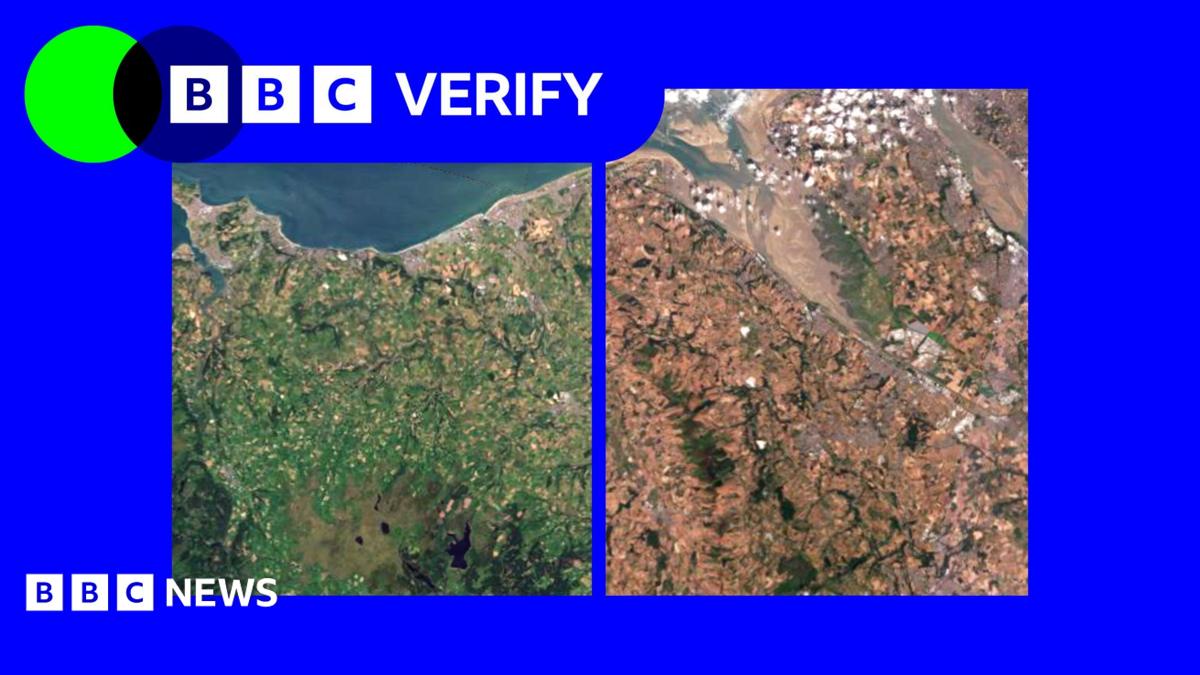
Satellite images show impact of heatwaves and drought on UK landscape
Full Article
Original Source
Read the full article at Bbc →KhanList aggregates and links to publicly available news content. We do not host full articles from third-party sources. Always verify important information with original sources.