
The headline unemployment number looks alright; 4.7 per cent and edging down. But the story behind the headline figure is very different. The jobs market has gone very quiet; vacancies have fallen to their lowest level in 12 years (aside from the Covid pandemic) at 691,000, while the number of people on payrolls is down 111,000 from a year ago. Young people are taking it hardest: youth unemployment is running at 16.2 per cent, up from 14.3 per cent a year ago and, for the first time since 2013, more than a million 16 to 24 year olds are not in work, education or training. Shorts When there aren’t enough jobs to go round, the most useful thing a government can do is make it easier for people to create their own. But many people either can’t afford to, don’t know how to, or need support in getting started. So here’s what I’d like the Chancellor to fix next week – and none of them cost much at all. Increase the have-a-go allowance You can earn £1,000 a year from a bit of self-employment before you have to tell HMRC anything at all. The have-a-go allowance – more formally known as the Trading Allowance – is what lets somebody try selling a few things at the kitchen table to see if anybody actually wants them. The threshold was set at £1,000 a year in 2017 and hasn’t moved since. Two things catch people out: it’s measured on sales, not profit, so £1,100 of sales with £900 of costs tips you over even though you’ve made £200. And it’s one allowance per person, not per venture. I’d raise it and then uprate it each year automatically, so it doesn’t rely on a Chancellor remembering it exists. In the meantime, HMRC has a free checker that tells you in two minutes whether you need to register. End the quadruple-whammy price increase In February, the fee to register a company went from £50 to £100 and the annual confirmation statement from £34 to £50. In April, dividend tax rates went up and the interest rate on a government Start Up Loan went from 6 per cent to 7.5 per cent. That last one particularly gets me, because to qualify for the scheme you have to be unable to get finance elsewhere – so the government’s own product, aimed squarely at people banks won’t lend to, just got dearer. None of these is enormous on their own, but the person it stops is the one wondering whether to spend a hundred quid finding out if their idea works. I’m not asking for the fees to be reversed, because somebody has to pay for the register. I’m asking that we stop quietly putting the price up on the way in. Readers, remember you can still be a sole trader for no fee at all. More help to get people started The New Enterprise Allowance paid people a small weekly amount while they built a business and came off benefits. But it ended in 2022 and hasn’t been replaced. What’s left is a loan in your own name or a protection inside universal credit that gives you 12 months before your benefits are re-calculated on what you’re assumed to be earning. That protection is valuable but the 12 months don’t run from the day you start your business – they start from the point a work coach formally decides you’re self-employed. That means if you’ve been trading for six months and nobody’s made that decision, you haven’t used six months of protection. Anybody in this position should ask for the decision now. Even with that protection, the gap between having an idea and the business paying you is the gap that nothing covers, and that sorts people by how much money they already have. Those with savings or a partner earning can take six months at reduced income. Others cannot, and no amount of encouragement changes that. Create a national start-up grant The government’s own finder shows there are at least 142 schemes run by councils and combined authorities, but essentially the help you can get as a start-up depends on your postcode. I would either put a national floor under it, so that anybody can apply for help regardless of where they live – or at the very least tell people the finder exists, because a scheme nobody can find isn’t really a scheme. For those aged 18 to 30 and unemployed or working under 16 hours a week, the King’s Trust Enterprise Programme is the best offer: a free four-day workshop, a mentor, then up to two years of support and funding of up to £30,000 including a start-up grant of up to £5,000 you don’t pay back. End the postcode lottery In Scotland, Business Gateway offers free one-to-one adviser support before you’ve registered anything. Northern Ireland’s Go Succeed provides up to 13 hours of one-to-one mentoring and is available before your business exists, so you can get help developing an idea from scratch. Wales has Business Wales. In England, it depends. The Local Enterprise Partnerships that ran the growth hubs closed in 2024 when its funding stopped. Delivery passed to local authorities with no single national funder. The government’s Help to Grow: Management, offers 50 hours of training and 10 hours of one-to-one mentoring with 90 per cent of the cost covered, but requires you to have between five and 249 employees. There are more than 4 million sole traders in this country and not one of them qualifies. Both fixes are cheap: make pre-start advice available everywhere, like it is in Scotland and Northern Ireland. Drop the five-employee threshold, because the course, mentors and venues already exist. In the meantime, there are two things worth knowing about: Digital Boost is free, unlimited, open to sole traders and people who haven’t started, and has around 5,000 volunteer mentors; and your nearest Business and IP Centre (which will be inside a library) offers free access to market research databases a new business could never afford to buy. We have one million young people out of work or education, and a jobs market with fewer vacancies than at any point in 12 years. Empowering people to start their own business is one of the few answers available. It would be a shame if they made it harder next Wednesday.
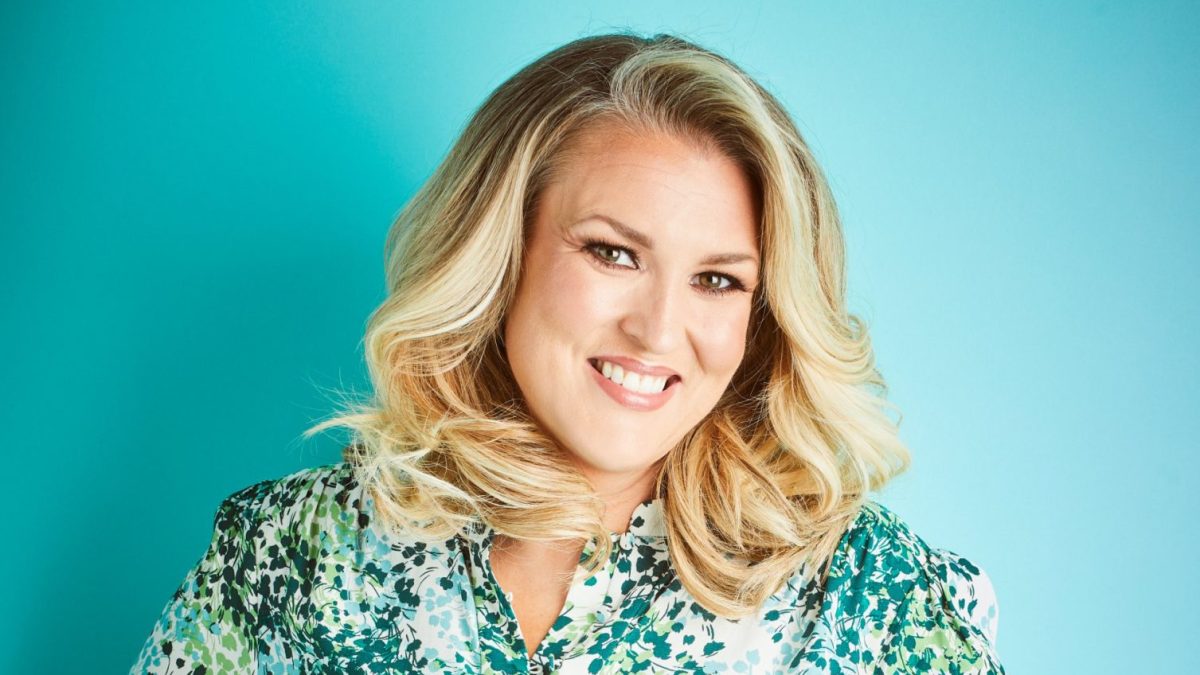
Sara Davies: Five steps to save start-ups in the Budget
Full Article
Original Source
Read the full article at Inews →KhanList aggregates and links to publicly available news content. We do not host full articles from third-party sources. Always verify important information with original sources.