
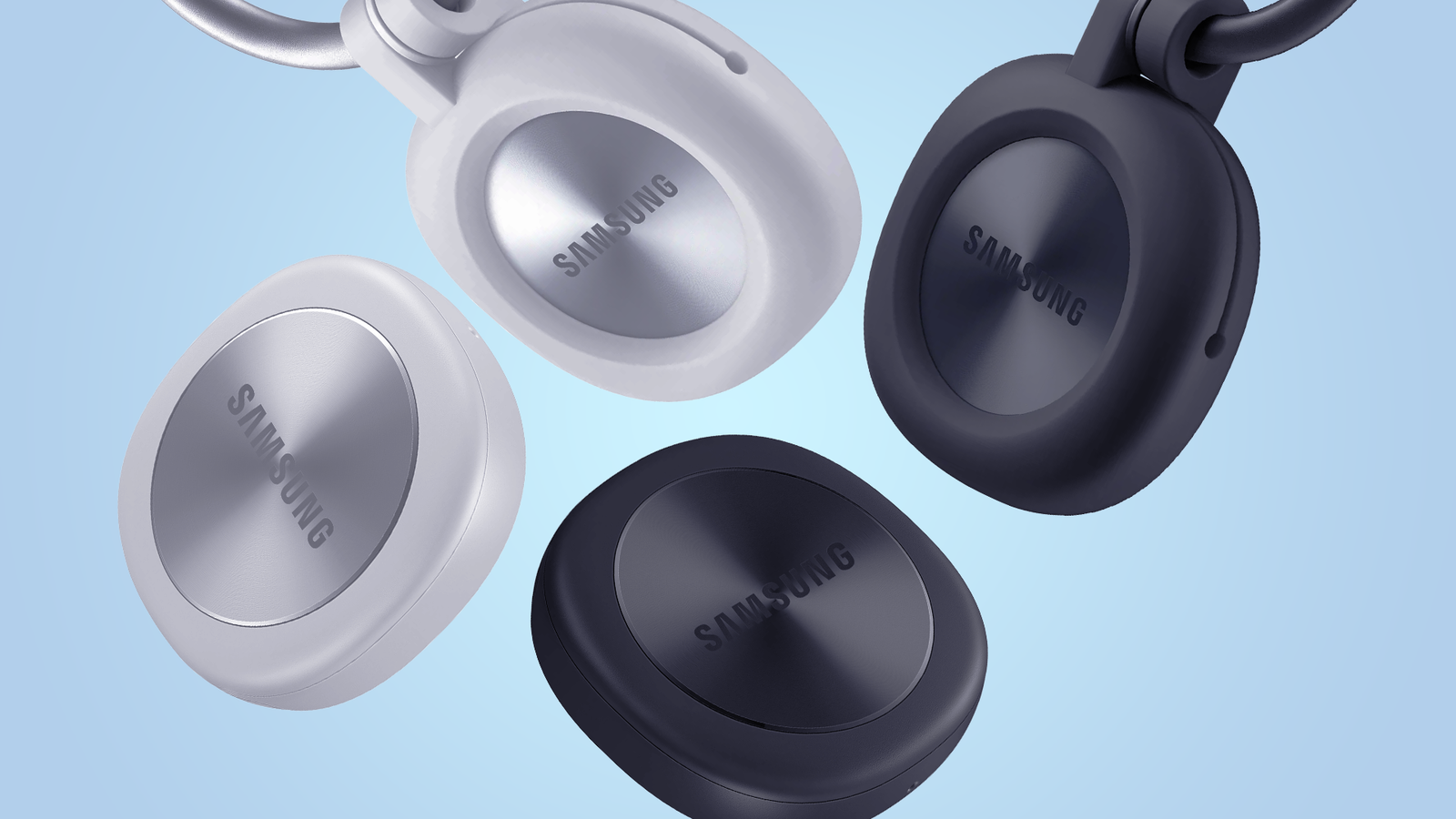
Published Sep 27, 2026, 8:30 AM EDT If you've ever wondered whether an AI feature on your phone is doing anything useful, Ben Khalesi has probably asked the same question. He has covered AI and Android for Android Police since 2023, with Pixel, Galaxy, Google's apps, and the rest of the Android ecosystem never far behind. Ben is a lifelong geek who trained as an AI engineer and earned a bachelor's in IT, so when the industry announces something new, he's the one who wants to know how everything works behind the scene and what can be trusted. A new tracker carrying the model number EI-T5900 has shown up in both press renders and FCC filings. Samsung has dropped the second generation's pill shape for a squircle with no built-in loop anywhere. Without a loop, you'll need an accessory to attach it to anything. That's what people are arguing about. I think we're all focused on the wrong detail here. A new shell is a new shell, but I care more about the software underneath. That's where Samsung's tracker has been letting us down, and it needs to stop at some point. Samsung built a tracker your Pixel-owning partner can't see Smart home perks don't excuse spotty tracking Samsung locks the SmartTag to its hardware. Tracking requires a Samsung Galaxy phone or tablet on Android 9.0 or later with at least 3GB of RAM, plus a Samsung account and the SmartThings app. This restriction makes the product impractical for most households, and I don't think Samsung talks about it enough. If you put a SmartTag on your travel backpack, your partner can't help you find it from a Google Pixel or a Motorola phone, since non-Galaxy phones can't see it. If your household mixes phone brands, you end up with shared stuff like luggage or spare car keys that only half of you can find. A Bluetooth tracker has one job. Putting brand walls around that job undercuts the point of buying one. Samsung's justification is smart home integration, and I get the argument, but not at the cost of basic tracking reliability. A billion Android phones walk right past your SmartTag 300 million sounds big until you compare it Credit: Lucas Gouveia / Android Police Google rebuilt its device location service into Find Hub, a tracking mesh riding on more than a billion active Android devices worldwide. Google's Pixel Tag joins tags from Pebblebee, Chipolo, and Motorola on November 11, at roughly the price Samsung is reportedly charging for the SmartTag 3. Samsung's last public count, from 2023, was 300 million opted-in devices, which sounds like a lot until you set it beside a competitor with over a billion relay nodes. A Bluetooth tag has no GPS, so it only reports a location when a participating phone walks past an encrypted ping. If you lose your keys in a low-density area, you're relying on a Galaxy owner to wander past. A person with a Pixel or a budget Android phone can step over your SmartTag and never register it, since their phone is tuned to another network. The SmartTag's best feature needs Samsung's priciest phones Apple made UWB standard Precision finding uses Ultra-Wideband to give you a directional arrow and a distance reading when you're close to the item. That's the feature you want when you're pulling up couch cushions or scanning a crowded airport gate. Samsung treats it as a premium perk. UWB stays gated to its priciest tiers. A base flagship or an A-series phone gets you basic Bluetooth proximity with no directional guidance. Even the base Galaxy S26, which comes with either an Exynos 2600 or a Snapdragon 8 Elite Gen 5, doesn't have the feature. That's some serious silicon, yet it still lacks UWB, which I find hard to excuse when Apple has put UWB in almost every numbered iPhone since the iPhone 11. So Samsung markets SmartTags hard while selling flagship phones that can't use the tracker's best feature. Samsung copied Apple's walls without Apple's numbers The bigger network sits right next door Credit: Apple Nobody complains that AirTag only works with the Apple ecosystem, so why pick on Samsung? Apple now counts more than 2.5 billion active devices in its installed base, and the iPhones, iPads, and Macs among them make up the Find My network. When you lose an AirTag, an enormous crowd is out there looking for it. Samsung's walls surround a smaller user base. Right outside them sits Google's Find Hub. Apple's walls keep its customers inside the network available to them. Samsung's keep its smart tag customers out of it. If Samsung wants to play by Apple's rules, it needs Apple's numbers. It doesn't have them, and the Android network that does is sitting right next door. A new shell won't find your keys any faster Samsung is giving us a nicer shell and maybe some modular accessories on top of the same fragmented foundation. Hardware was never the weak spot. You find your keys when enough phones are listening. If Samsung opens the tags to the wider Android tracking mesh, the SmartTag becomes something I'd recommend without hesitation. Until then, the most refined part of the new SmartTag is the marketing.
Samsung's SmartTag still hasn't fixed what's broken about finding my lost stuff
Full Article
Original Source
Read the full article at Androidpolice →KhanList aggregates and links to publicly available news content. We do not host full articles from third-party sources. Always verify important information with original sources.