
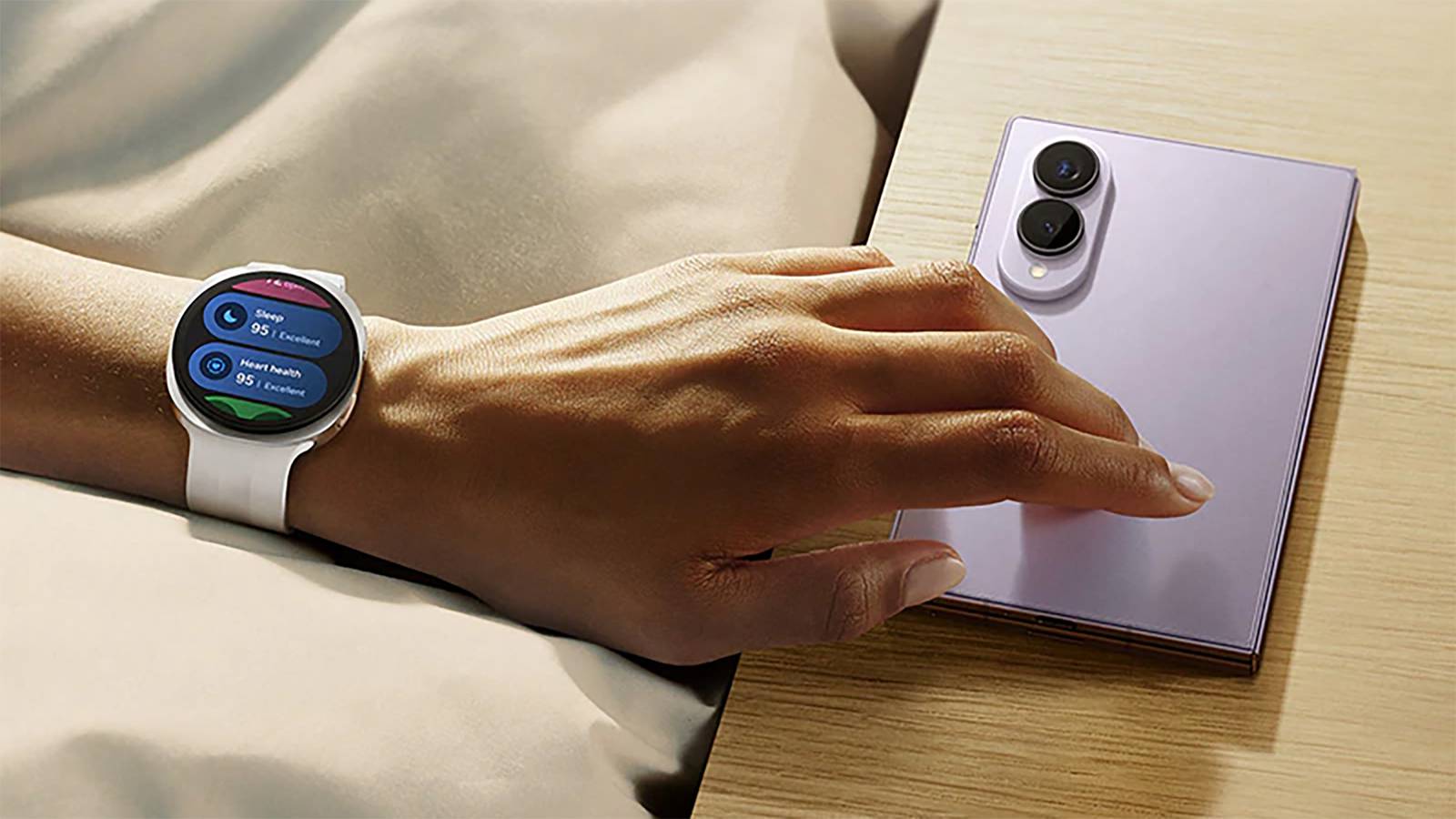
Credit: Samsung Published Jul 24, 2026, 11:16 AM EDT Chandra Steele has been writing about tech for the entirety of her journalism career. She loves making tough topics easy to understand. Before joining Android Police, Chandra was senior features writer at PCMag where she did everything from interviewing Jeff Goldblum to explaining crypto. Sign in to your Android Police account This week at Galaxy Unpacked, Samsung introduced the Galaxy Watch 9 in a presentation that was purely about its health features. It focused so heavily on them that the entire presentation was done by Sharanya Desai, head of digital health algorithms at Samsung. Desai showed off the newest health capabilities of the Galaxy Watch 9, from Vitals, which tracks five biometrics to a Fitness Index that manages your activity needs and capabilities to an enhanced sleep apnea detector. On Samsung’s page to purchase a Galaxy Watch 9, health is also the sole focus. And in the press release the company issued about it, it’s the same: "Galaxy Watch9 is the ultimate everyday companion, designed for wellness-conscious users who want to build healthier habits through effortless, continuous activity and sleep tracking." The only feature that makes sense on the wrist While smartwatches, including the Galaxy Watch 9, do much more, it’s only their health tracking that truly distinguishes them from phones. And that market has made a shift to less burdensome devices that Samsung is not keeping up with. Sleeker, lighter, screenless rivals take over It’s no longer necessary to wear a chunky health tracker on your wrist to receive all of the benefits that they can provide. That’s why low-profile health-tracking smart rings, led by Oura and followed by others, including Samsung with their Galaxy Ring, have become so popular. Whoop introduced an entirely new idea with its screenless health tracker, which, yes, is worn on the wrist but is exceedingly thin and light and does not interfere when you’re engaging in the very fitness activities it’s designed to encourage and track. It’s also not cumbersome to wear to bed at night to monitor sleep and health metrics. Google followed with the Fitbit Air, which has faced some issues but still had trouble staying in stock on its release. This week, Garmin entered the game to much fanfare with Cirqa. It’s being celebrated for being subscription-free, which is likely to expand the reach and demand for such devices. Missing the signs It’s clear that sleeker, more subtle health trackers are where the immediate future lies, and yet Samsung not only didn’t release a screenless health device on stage, it also neglected to make a sequel to the Galaxy Ring that is now two years old. Desai proudly declared that over 77 million users rely on Samsung Health. Yet Samsung’s seeming desire for dominance in the health-tracking market is in opposition to its being able to keep up with rivals.
Samsung's Galaxy Watch 9 misses the mark as screenless trackers take over
Full Article
Original Source
Read the full article at Androidpolice →KhanList aggregates and links to publicly available news content. We do not host full articles from third-party sources. Always verify important information with original sources.