
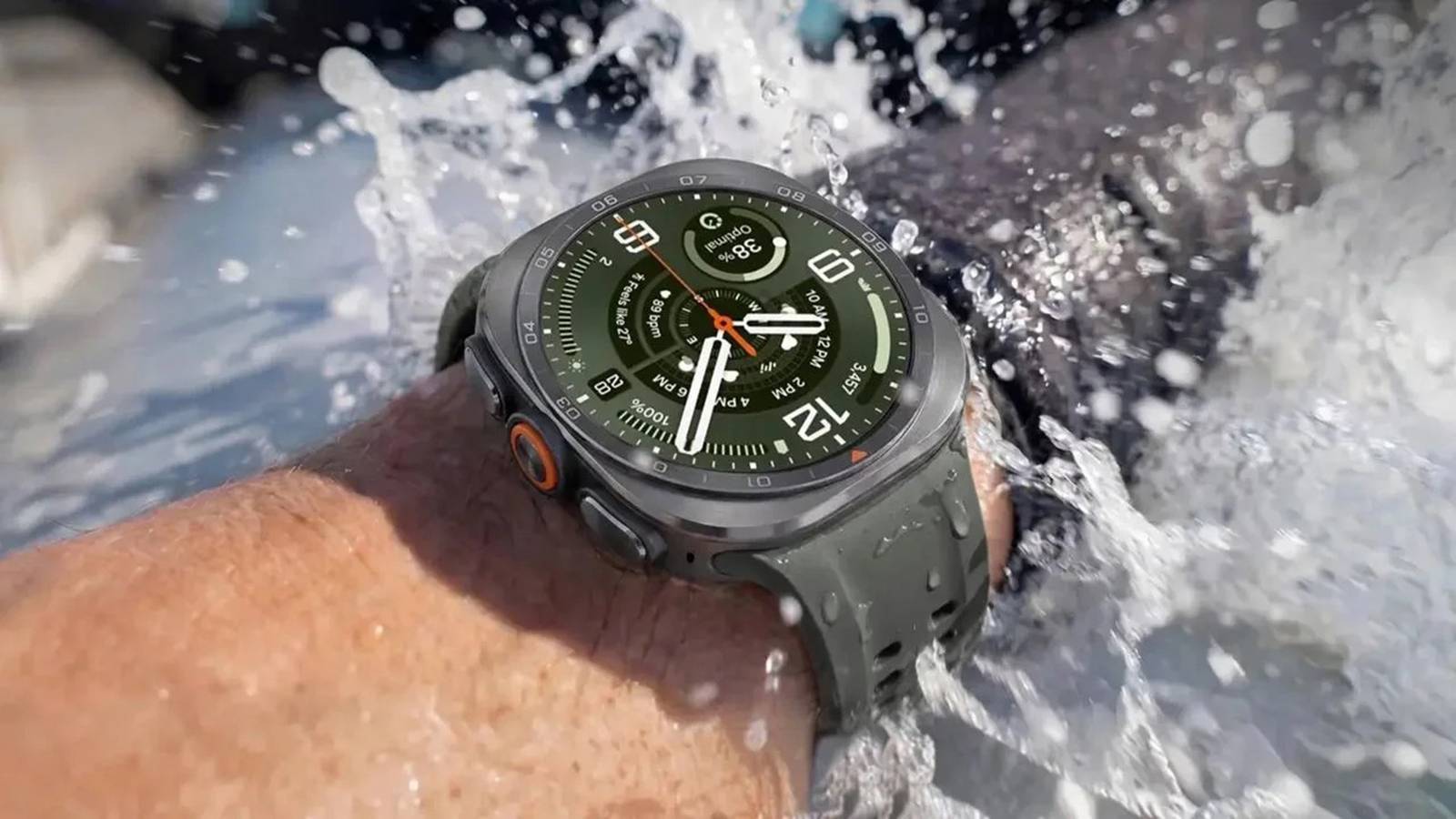
Published Jul 22, 2026, 9:00 AM EDT Jon is a seasoned journalist who has written definitive coverage of consumer tech at publications like Engadget, Android Authority, and BetaKit. He's an expert on making tech accessible ranging from mobile and PCs to emerging platforms like wearables. When he's not writing, he's going on adventures with ihis family and is an avid photographer. Samsung is pairing the launch of the Galaxy Z Fold 8 and Flip 8 with major upgrades to its smartwatches. The company has introduced the Galaxy Watch 9 and Galaxy Watch Ultra 2, both of which are more powerful and sport new AI capabilities. Both watches have leaped from Samsung's Exynos chips to Qualcomm's new Snapdragon Wear Elite, promising faster performance (particularly for on-device AI), greater efficiency, and support for newer wireless technologies like Bluetooth 6.0. The largest hardware improvements are coming to the Galaxy Watch Ultra 2. You now get a much larger 800mAh battery versus the 590mAh from the original Ultra, despite a 47mm titanium case that's 12 percent thinner, thanks to reworked internals. You can also expect a brighter 5,000-nit display (up from 3,000 nits), which combines with tougher IP69K dust and water resistance to make it outdoor-ready. The Galaxy Watch 9 has a more modestly improved 390mAh battery in the 40mm model (a boost from 325mAh). 445mAh in the 44m design (versus 435mAh) and a 3,000-nit display. It uses the same aluminum "squircle" case as last year, but you now get 32GB of base storage compared to the previous 16GB. Galaxy Watch 9 and Ultra 2: Samsung Health, Diving, and Trail Run AI is your fitness coach and daily assistant Samsung is delivering on the Health app overhaul it teased over a month ago. Paired with the Galaxy Watch 9 or Ultra 2, the software offers AI-based insights into your activity, nutrition, sleep, and general health. You'll get recommendations for workout and rest days, and an overall Heart Health Score that combines activity, sleep, and stress to gauge your wellbeing. Much like Google's Fitbit Air, the aim is to translate the raw data from your Galaxy Watch into something you can act on, not just statistics. There are concerns that Samsung will make you train AI with your data, but that's not surprising when it will lean on owners' activity to refine its coaching. The Galaxy Watch Ultra 2 adds software tailor-made for its adventure-minded audience. It can automatically share live diving data like depth and water temperature when you enter the water, and an upcoming Diving app co-developed with Mares (due later this year) will track additional stats like ascent/descent speed and safety limits. As with equivalent Apple Watch Ultra features, this won't completely replace a dedicated diving computer, but could help with serious scuba dives. On land, a Trail Run feature monitors climbing progress, elevation, and the effect of terrain. Samsung is also adding live hydration guidance that recommends water based on estimated sweat loss relative to your weight. Galaxy Watch 9 and Ultra 2 price and release date A rough economy is affecting smartwatches, too Like it or not, the same component price hikes affecting the Z Fold and Z Flip are spreading to wearables as well. The Galaxy Watch 9 starts at $380 for a 40mm Bluetooth model (up from $350), or $430 for LTE. There's no Classic version with a rotating bezel, unfortunately. The Galaxy Watch Ultra 2 begins at $700, a significant jump from last year's $650. Pre-orders begin today, and both models will be generally available on August 7. Like with most smartwatch upgrades, there's little reason at this stage to trade up to the Galaxy Watch 9 if you already have last year's model. The chip swap could help, but the Watch 8 runs smoothly enough and could get software features through updates. The Galaxy Watch Ultra 2 is more compelling. The much larger battery could help if you regularly go on days-long camping trips, or if you're training for marathons and still need power to spare. You might also appreciate the extra brightness for sunny days. Still, this is easier to justify if you're coming from the first Ultra or a lower-end Galaxy Watch.
Samsung's Galaxy Watch 9 and Ultra 2 are faster and longer-lasting
Full Article
Original Source
Read the full article at Howtogeek →KhanList aggregates and links to publicly available news content. We do not host full articles from third-party sources. Always verify important information with original sources.