
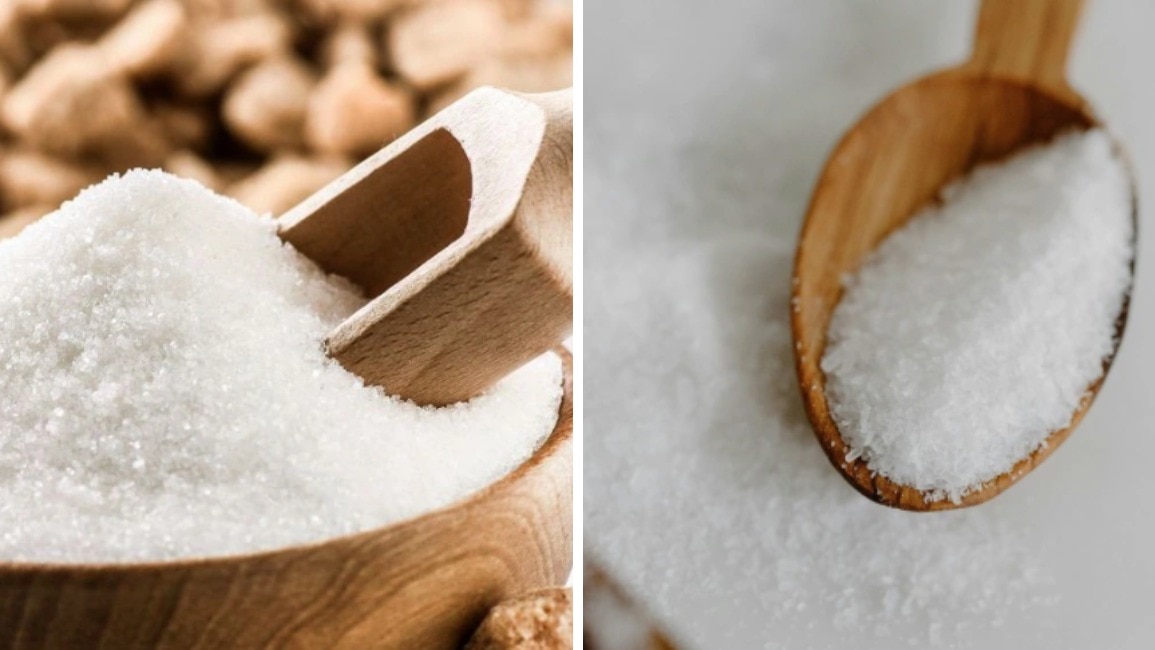
A global study assessed the health impact of replacing regular salt with potassium-enriched alternatives. The findings indicate major potential benefits for India's cardiovascular and kidney health burden.Replacing regular table salt with potassium-enriched alternatives could prevent nearly four lakh deaths and more than 15 lakh new cases of cardiovascular and kidney disease in India every year, according to a new global study that highlights the enormous health gains possible from a simple dietary change.Published in Nature Health, the study estimates that a worldwide switch to low-sodium salt substitutes (LSS) could prevent almost three million deaths and 10.17 million new cases of cardiovascular disease and chronic kidney disease annually.India stands to gain significantly, with an estimated 399,884 deaths and 1.52 million disease cases potentially prevented every year.The findings offer fresh evidence of how changing one of the most routinely used ingredients in Indian kitchens could help tackle the country's growing burden of hypertension, heart disease and stroke. The research, conducted by The George Institute for Global Health, assessed the potential impact of replacing regular salt with potassium-enriched alternatives across 193 countries.It examined different scenarios, including replacing household cooking salt, salt used in processed and restaurant foods, and both sources together. Even a partial switch produced substantial projected health benefits. Replacing household table salt alone could prevent 1.85 million deaths globally and 6.19 million cases of cardiovascular and kidney disease annually. Extending the switch to processed and restaurant foods could take the potential global gains to nearly three million lives saved.Bruce Neal, senior professorial fellow at The George Institute, said the approach tackles two major dietary contributors to high blood pressure simultaneously.“Consuming too much sodium and not enough potassium are well established causes of high blood pressure,” he said, pointing out that hypertension is a major risk factor for strokes, heart attacks and kidney disease.He said replacing regular salt with potassium-enriched alternatives could deliver substantial health benefits at a much lower cost than many drug-based treatments.WHY SALT MATTERSThe findings have particular relevance to India, where salt consumption remains far above recommended levels. A 2026 systematic review and meta-analysis of 83 studies estimated average daily salt consumption at 9.01 grams, nearly twice the World Health Organization's recommended limit of five grams.The pooled prevalence of high salt intake was 61%.India's dietary habits, including the generous use of salt in cooking, pickles, papads, chutneys and packaged snacks, contribute to the problem.The 2023 Indian Council of Medical Research (ICMR)-INDIAB study estimated that 315 million Indians, or 35.5% of the population, were living with hypertension.High sodium intake raises blood pressure by encouraging the body to retain water, increasing the pressure exerted on blood vessel walls. Over time, this increases the risk of heart attacks, strokes and kidney damage. Cardiovascular diseases already account for a substantial share of India's deaths, making population-level prevention particularly important.In 2025, the WHO recommended replacing regular table salt with lower-sodium salt substitutes containing potassium chloride for adults in the general population. The recommendation, which was the first of its kind from the global health agency, was based on evidence that these substitutes can reduce blood pressure and cardiovascular risks.Regular salt is primarily sodium chloride.LSS replaces some of this sodium chloride with potassium chloride, reducing sodium content while increasing potassium. The alternatives look, taste and cook much like conventional salt, potentially making the switch easier than asking people to dramatically change their food habits.SAFETY AND ACCESSThere is a caveat though – potassium-enriched salt is not suitable for everyone. People with advanced kidney disease and those taking certain medicines that raise potassium levels can develop hyperkalaemia, or dangerously high potassium levels, if their intake is not monitored.The WHO recommendation excludes people with conditions that compromise potassium excretion, as well as pregnant women and children.But veteran nephrologist Dr Vivek Jha, senior professorial fellow at The George Institute in India, said these risks could be managed through appropriate safeguards.“Risks for this group can be managed effectively through patient education, product labelling, and clinical oversight,” he said.Affordability and availability are other hurdles. As highlighted in an earlier WHO guideline assessment, low-sodium alternatives can cost considerably more than regular table salt in India.Ensuring that these products are affordable, widely available and adequately iodised will be important, given India's universal salt iodisation programme.The study also points to the need for country-specific strategies. While household salt replacement could make a significant difference in countries such as India, processed and restaurant foods account for a much larger share of sodium intake in several Western countries.- Ends
Salt swap could prevent four lakh deaths in India annually
Full Article
Original Source
Read the full article at Indiatoday →KhanList aggregates and links to publicly available news content. We do not host full articles from third-party sources. Always verify important information with original sources.