
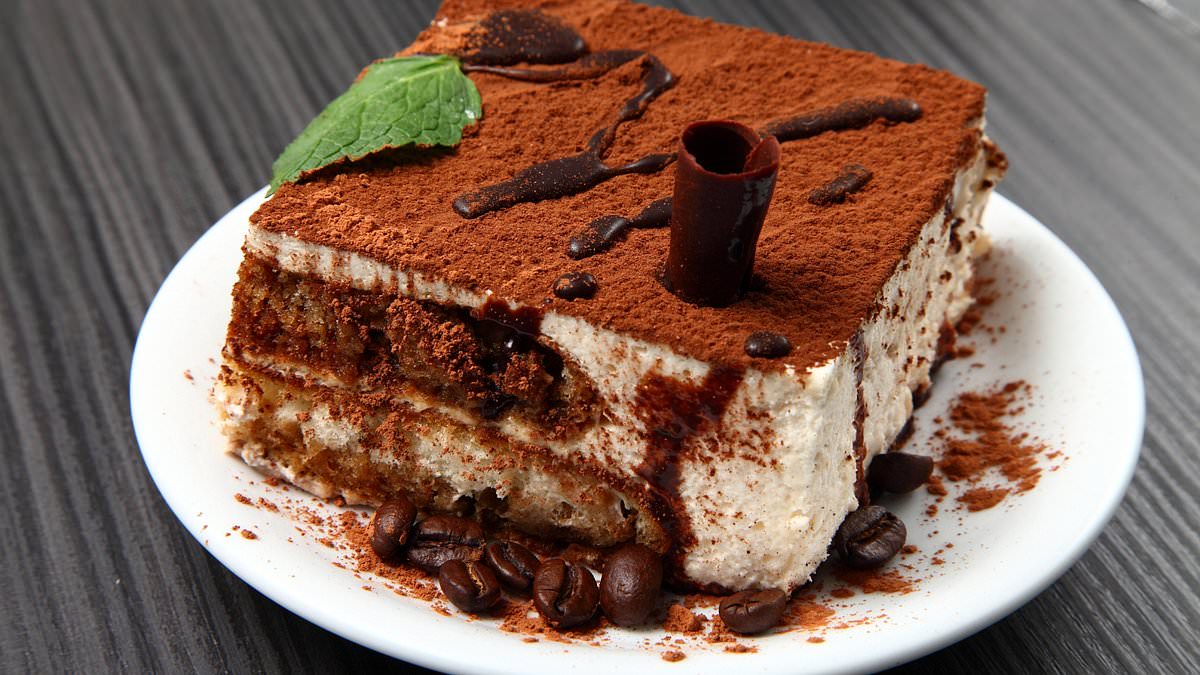
The UK is currently in the midst of a growing food poisoning outbreak.More than 500 cases and two deaths related to UK-wide clusters of salmonella have so far been reported, with experts warning this is likely the 'tip of the iceberg'.In every public health alert so far, officials have been clear about the suspected culprit - eggs, imported from abroad. British eggs - those with the telltale Red Lion stamp - are likely to be low risk.However, experts speaking to the Daily Mail say the risk of potentially lethal food poisoning is a reality with a plethora of other foods.While the current outbreak may be egg-specific, the 10,000 annual cases of salmonella are likely to come from the same handful of British favourite foods. It's a problem that's likely to claim increasing numbers of victims, with cases up nearly 20 per cent in just two years. E.coli and Campylobacter infections have also risen significantly in recent years.Here, one of the UK's top food safety expert flags the foods to avoid in a food poisoning outbreak - and the precautions we should all be taking. Tiramisu is among the foods hygiene experts have warned Britons to avoid amid the outbreakBeware of puddings like tiramisu & chocolate mousse The ongoing salmonella outbreak not only concerns contaminated eggs, but also foods that are made with the potentially toxic ingredient. The majority of infections have resulted from eggs eaten at restaurants and cafes, where it's impossible to detect a food item's country of origin. It's for this reason that Natalie Stanton, environmental health officer and founder of food hygiene firm, The Safety Expert, warns Britons to steer clear of desserts that contain raw or undercooked eggs, like tiramisu and chocolate mousse, when eating out.This is especially the case, she adds, for those who are vulnerable to becoming very sick with food poisoning, like young children, adults aged over 65, pregnant women and anyone with a weakened immune system. For most people salmonella leads to diarrhea, stomach cramps, fever, vomiting and headache - symptoms which usually clear up within a few days. But for high risk groups, it can be lethal. As well as puddings, she warns against 'fresh mayonnaise or aioli made with raw egg'.'Shop bought mayonnaise is generally made using pasteurised egg [which have been heated to destroy bacteria], but freshly made mayonnaise in a restaurant may contain raw egg,’ she says, adding that the same risks apply to hollandaise sauce that’s made in-house.‘I would encourage people to ask what eggs a business is using when eating out, especially if they are considering ordering a dish that may contain raw or lightly cooked egg,’ she advises.It’s not just soft boiled or poached eggs that you might need to swerve.Stick to hard cheeses...avoid brie and camembert While cheese isn't a known culprit in the current outbreak, food safety specialists have long warned that soft versions are to be eaten with 'great caution'.'Vulnerable people in particular should be wary of soft cheeses like brie, camembert and goats' cheese,' says Ms Stanton. There are several reasons why softer types are higher risk than hard ones, like cheddar and parmesan.Soft cheeses have a high water content and are less acidic, which gives bacteria a better environment to grow in. The white mould on brie and camembert can make the surface less hostile to some bacteria, and these products are often exposed to several handlers during the manufacturing process, presenting opportunities for contamination. A similar risk applies to unpasteurised products like raw milk and yoghurt. Packaging labels will usually tell you if a product is pasteurised, Ms Stanton adds. If in doubt, chuck your leftovers Ms Stanton wants to bust the myth that leftovers are perfectly safe to eat, as long as they're 'piping hot' when reheated. 'It won't always rescue food that's been sitting out,' she says. ‘Some bacteria can form spores that survive cooking and others can produce toxins that may not be destroyed by reheating.’The golden rule is to cool cooked food as soon as possible - although, if extremely hot, wait around 10 minutes to avoid it heating other foods in the fridge. The number of salmonella cases recorded in England each year between 2015 and 2024'As soon as cooked food begins cooling, bacteria can multiply. You must get cooked food into the fridge or freezer within two hours - and eat them within two days.'Rice, however, which is susceptible to a toxic bacteria called Bacillus cereus that develops quickly, should be cooled within an hour and eaten within a day.If in doubt, get rid of your leftovers, Ms Stanton says. Avoid pre-cut melon and pineapple The chopped fruit in plastic tubs and sleeves might be convenient but could be harmful.‘Whole fruit has a natural protective outer surface. Once fruit is cut, that protection is broken and the moist flesh inside is exposed,' warns Ms Stanton. 'If harmful bacteria are present on the skin, on a knife, cutting board, someone's hands or food-preparation equipment, cutting the fruit can transfer those bacteria onto the flesh.‘Because pre-cut fruit is normally eaten without any further cooking, there is no later stage that will kill any bacteria.‘Manufacturers should have food-safety controls in place. But people should keep pre-cut fruit refrigerated, follow its use-by date and storage instructions.'Get a meat thermometer - but make sure you use it properly Most people who use a meat thermometer to check their roast chicken is cooked through are making a key, potentially dangerous mistake, Stanton says. Don't probe the outer leg or breast - it's crucial to check the thickest part of the meat, which is usually the largest part of the thigh.These thick areas take much longer to cook than thinner ones, and are more likely to be underdone.Poultry that isn't cooked properly carries a risk of contamination with a host of food poisoning bugs, including salmonella. Last month, the Daily Mail reported that European health officials are investigating chicken products as a potential source of the current outbreak, after salmonella patients in the Netherlands reported eating chicken meat.Salmonella infections are caused by bacteria commonly found in the digestive tracts of animals and can be contracted by eating contaminated foods, particularly meat, poultry and eggs. According to the Food Standards Agency, the temperature on a food thermometer should measure between 74°C to 75°C when cooking chicken, as this is the temperature needed to kill salmonella. And never wash raw poultry before cooking, as bacteria can spread around your kitchen or cooking area, adds Ms Stanton.
Salmonella warning for tiramisu, chocolate mousse and hollandaise sauce - top food safety expert says it's not just eggs that are risky amid growing outbreak
Full Article
Original Source
Read the full article at Dailymail →KhanList aggregates and links to publicly available news content. We do not host full articles from third-party sources. Always verify important information with original sources.