
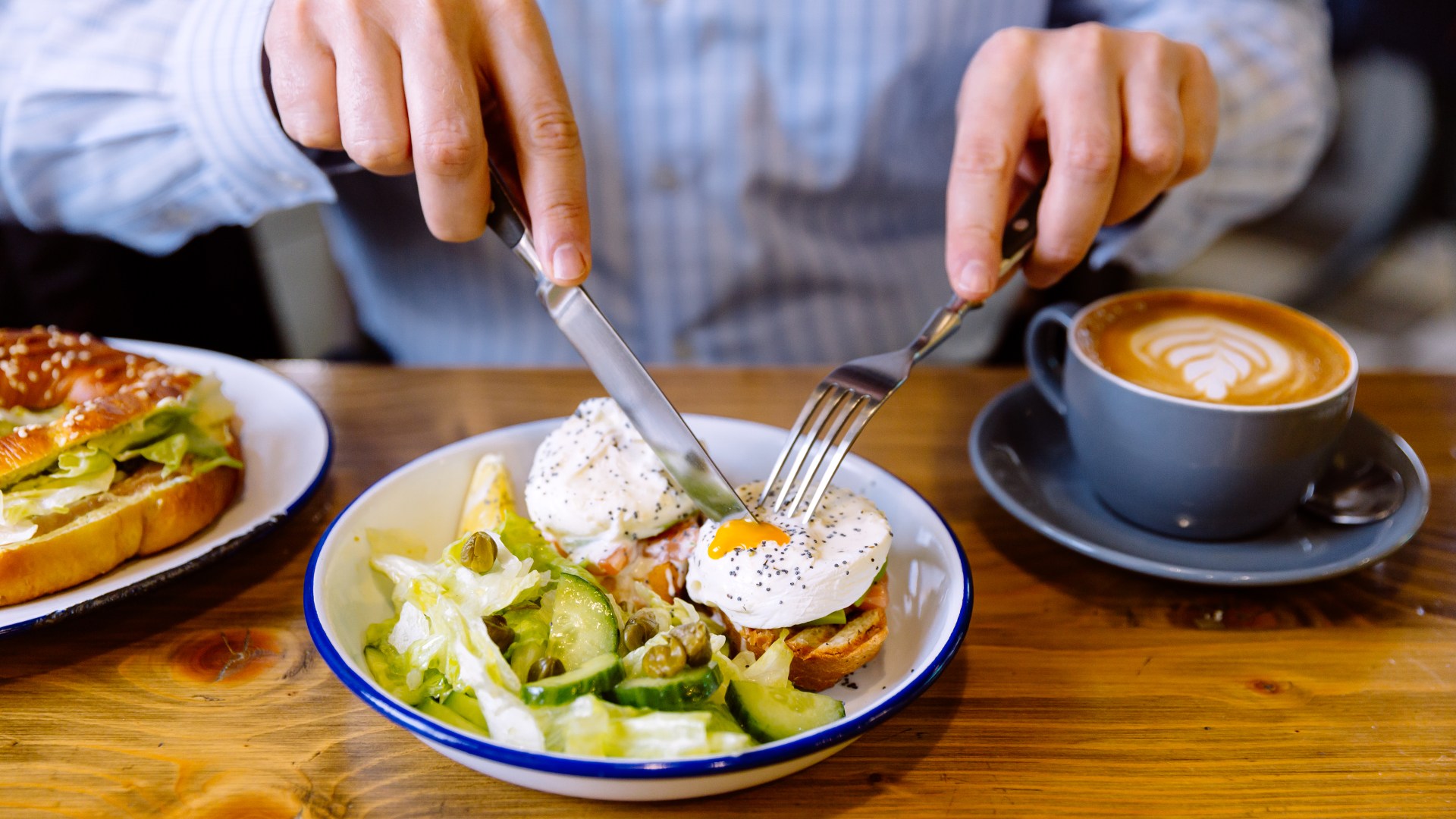
THE salmonella outbreak has continued to grow with dozens more sickened in the UK. The UK Health Security Agency (UKHSA) revealed that as of September 7, there had been 549 cases of the deadly bug. A salmonella outbreak in the UK has killed two and sickened over 540 Credit: Getty While there is a Europe-wide outbreak of salmonella at the moment, UKHSA said that UK cases account for well over half of these cases – 61 per cent to be exact. Evidence suggests that the outbreak may be linked to imported eggs, with officials previously warning Brits not to eat eggs outside the home at cafes or restaurants, as well as in takeaways. Sign up for the Health newsletter Thank you! Typical symptoms of salmonella include fever, sickness and diarrhoea that usually clear up in a few days, but more serious cases can lead to dehydration, which can be fatal. Experts warned last month that confirmed case numbers of the bug are likely to only be the “tip of the iceberg” – most infections aren’t identified as people recover at home without being tested. UKHSA, alongside the Food Standards Agency (FSA) and other public health partners are investigating three clusters of a strain called salmonella enteritidis – t5.9411, t0.24068 and t5.9765. Cases across all three clusters have notably increased since June, with case numbers rising by 21 in the last week alone from 528. A total of 322 confirmed cases and one death have been linked to the t5.9411 cluster in England, 186 confirmed cases linked to t0.24068 and 41 confirmed cases and one death linked to t5.9765. Figures show that the North East, London and Yorkshire and Humber are worst affected by cluster t5.9411. Most read in Health UKHSA confirmed on Thursday that cases “continue to be associated with eating at a range of food outlets, including small cafes, restaurants and takeaway businesses”. Hannah Charles, Lead Epidemiologist at UKHSA, said: “We continue to work closely with the Food Standards Agency and other public health partners to investigate these Salmonella clusters. “Our investigation to date indicates a link to imported eggs, however this investigation remains ongoing. “We will continue to follow up cases and investigate any further common sources if they come to light.” Most eggs sold in the UK are British, but 11 per cent are imported from overseas. The biggest single exporter of eggs to the UK is Ukraine, which accounts for almost a third of imports alone. She added: “It is important to emphasise that the overall risk to the public remains low.” The salmonella outbreak has been linked to imported eggs Credit: Getty What to know about Salmonella Salmonella is a group of bacteria that cause infection, typically food poisoning or gastroenteritis in the UK. The five typical symptoms of the illness are: Diarrhoea, which can sometimes be bloody Stomach cramps Feeling sick (having nausea) and being sick (vomiting) A high temperature (fever) Headache These symptoms tend to come on within 12-36 hours of eating contaminated food or being in contact with an infected animal. Most cases are mild and improve within 4-7 days without specific treatment. When should you seek medical advice for kids? If your child is under the age of 6 months If your child has an underlying medical condition (for example, heart or kidney problems, diabetes, history of premature birth) If your child has a high temperature (fever) If you suspect a lack of fluid in the body (dehydration) is developing If your child appears drowsy or confused If your child is being sick (vomiting) and is unable to keep fluids down If there is blood in their diarrhoea or vomit If your child has severe tummy pain Infections caught abroad If your child has severe symptoms, or if you feel that their condition is getting worse If your child’s symptoms are not settling (for example, vomiting for more than 1-2 days, or diarrhoea that does not start to settle after 3-4 days) If there are any other symptoms that you are concerned about. When should you seek medical advice for adults? If you suspect that you are becoming dehydrated If you are vomiting a lot and unable to keep fluids down If you have blood in your diarrhoea or your vomit If you have severe abdominal pain If you have severe symptoms, or if you feel that your condition is becoming worse If you have a persisting high fever If your symptoms are not settling; for example, vomiting for more than 1-2 days, or diarrhoea that does not start to settle after 3-4 days Infections caught abroad If you are elderly or have an underlying health problem If you have a weakened immune system because of, for example, chemotherapy treatment If you are pregnant If your job involves preparing food for other people If there are any other symptoms that you are concerned about Source: Patient Info Salmonella tends to be caught by eating contaminated food including poultry, meat, eggs, raw fruit and vegetables, as well as unpasteurised milk products. Most cases of salmonella are mild, but some groups of people – such as young children and pregnant women – are more likely to suffer from severe symptoms. The main symptoms of the bug are diarrhoea – which can sometimes be bloody – stomach cramps, feeling sick or being sick, having a fever and a headache. These tend to come on within 12 to 36 hours of eating contaminated food or being in contact with an infected animal. In most people, symptoms are relatively mild and should improve within four to seven days with no treatment required. But if you become seriously ill, you may need hospital care as dehydration from symptoms of the infection can be fatal unless treated quickly. Ms Charles also said that salmonella can occasionally cause sepsis, which requires hospital admission. Officials have specifically warned pregnant women and under fives to avoid runny eggs when eating out. And the Food Standards Agency (FSA) said vulnerable groups, including under fives, over 65s, pregnant women and those with health conditions should avoid them as well as freshly-made products that could contain uncooked eggs, such as mayonnaise, souffle and hollandaise sauce. Meanwhile, Professor Ian Young, chief scientific adviser for the FSA said: “Our food safety advice remains the same: eggs that are thoroughly cooked and handled hygienically should not present a food safety risk. “If you’re eating out or buying food that contains eggs, you may not know if these carry the British Lion mark or are Laid in Britain assured. “As with any foodborne illness, good hygiene remains your best protection: store and cook food according to the packet instructions, wash your hands thoroughly before handling food and always after handling raw meat, poultry and eggs.” Comment now
Salmonella outbreak ‘linked to imported eggs’ grows AGAIN – the signs you’re infected
Full Article
Original Source
Read the full article at Thesun →KhanList aggregates and links to publicly available news content. We do not host full articles from third-party sources. Always verify important information with original sources.