
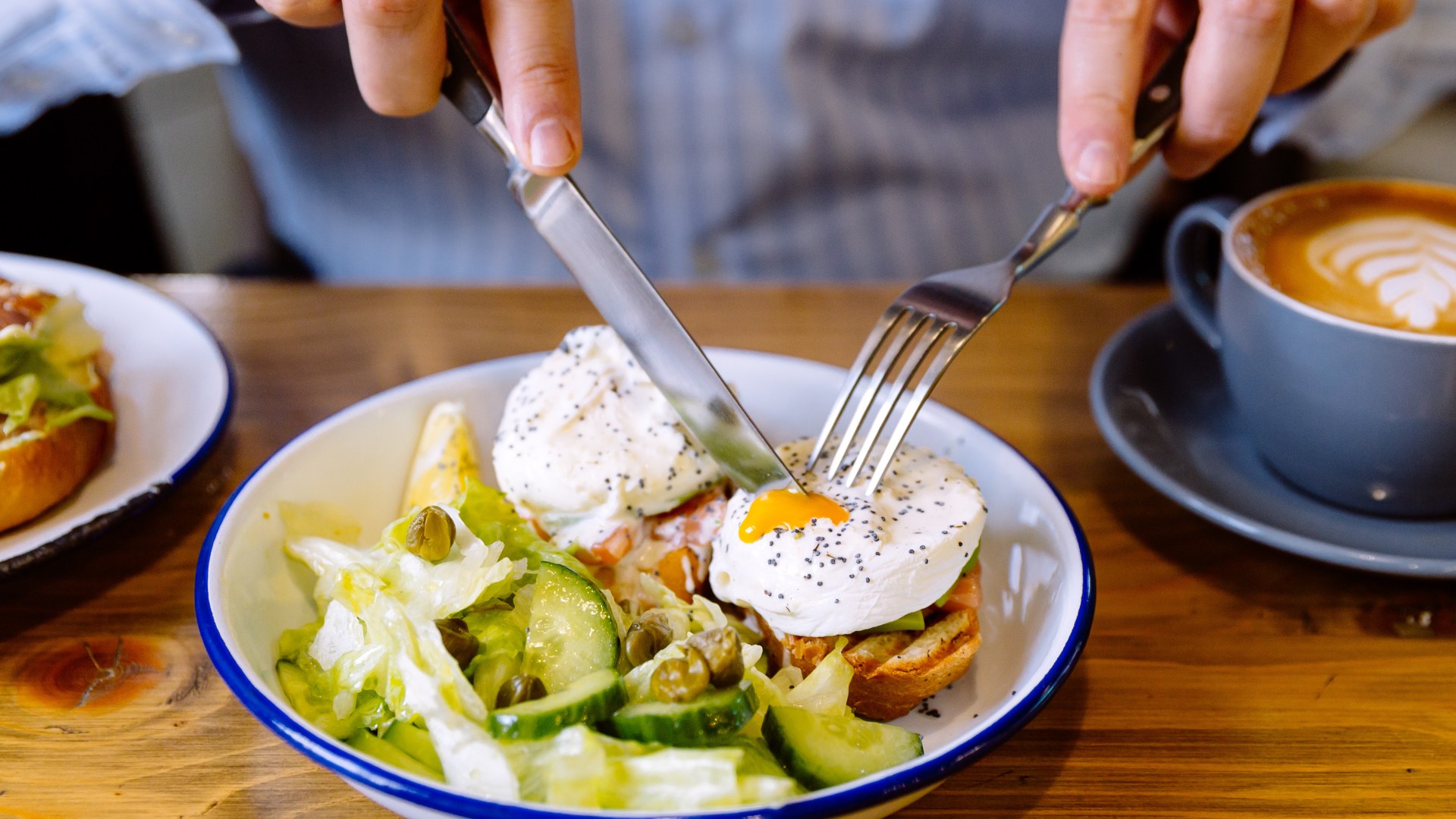
THE salmonella crisis has grown with 54 additional cases reported in one week, taking the total to over 500. The UK Health and Security say UK cases make up 61 per cent of the Europe-wide outbreak, with Netherlands second-most affected. A salmonella outbreak in the UK has killed two and sickened over 500 Credit: Getty As of September 1, there have been 528 cases of salmonella associated with this outbreak and two deaths. The evidence suggests the bug may be linked to imported eggs, with officials previously warning against eating eggs outside the home at cafes and restaurants, as well as in takeaways. Sign up for the Health newsletter Thank you! Salmonella usually causes a fever, sickness and diarrhoea that clears up in days. However, it can be fatal among those who are more vulnerable. Experts have previously said that the confirmed case numbers are likely the “tip of the iceberg”, as most infections are not identified as people recover at home without being tested. The samples range between January to August, but have mostly been reported this summer. UKHSA alongside the Food Standards Agency (FSA) and other public health partner are looking at three clusters of a strain called salmonella enteritidis – t5.9411, t5.9765 and t0.24068. Cases across all three clusters have increased since June. A total of 305 confirmed cases and one death linked to the t5.9411 cluster in England, 182 confirmed cases linked to t0.24068, and 41 confirmed cases and one death linked to t5.9765. Most read in Health Figures show that the North East, London and Yorkshire and Humber are worst affected by cluster t5.9411. Hannah Charles, Lead Epidemiologist at UKHSA, said: “We continue to work closely with the Food Standards Agency and other public health partners to investigate these salmonella clusters. “Our investigation to date indicates a link to imported eggs, however this investigation remains ongoing.” Most eggs sold in the UK are British, but 11 per cent are imported from overseas. The biggest single exporter of eggs to the UK is Ukraine, which accounts for almost a third of imports alone. Ms Charles added: “It is important to emphasise that the overall risk to the public remains low. “Most salmonella infections cause mild symptoms, such as diarrhoea, stomach cramps, vomiting and fever, which usually resolve without treatment. “However, the infection can occasionally cause more serious illness, including sepsis requiring hospital admission, particularly in young children, older adults, pregnant women and people with weakened immune systems.” Officials have specifically warned pregnant women and under fives to avoid runny eggs when eating out. The Food Standards Agency (FSA) said vulnerable groups, including under fives, over 65s, pregnant women and those with health conditions should avoid them as well as freshly-made products that could contain uncooked eggs, such as mayonnaise, souffle and hollandaise sauce. Professor Ian Young, Chief Scientific Adviser for the Food Standards Agency said: “Our food safety advice remains the same: eggs that are thoroughly cooked and handled hygienically should not present a food safety risk. “Infants, young children, pregnant people and older adults should only eat raw or lightly cooked eggs if they carry the British Lion mark or are produced under the Laid in Britain scheme. “This advice does not apply to those who are severely immunocompromised and require medically supervised diets, who should continue to follow individual medical advice.” Comment now
Salmonella cases tip 500 as UK accounts for 60% of Europe-wide outbreak linked to imported eggs
Full Article
Original Source
Read the full article at Thesun →KhanList aggregates and links to publicly available news content. We do not host full articles from third-party sources. Always verify important information with original sources.