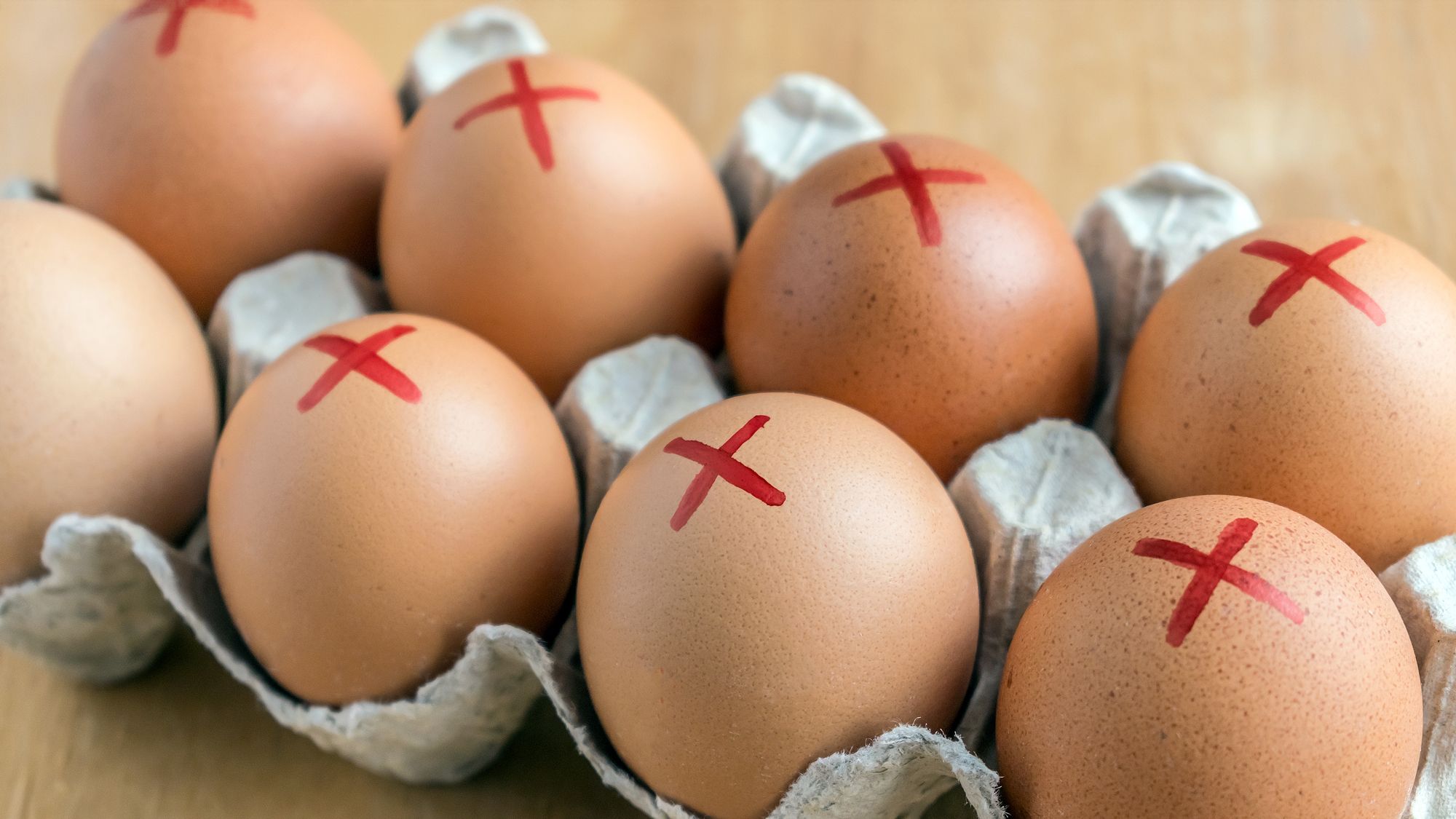
(Image credit: Shutterstock) At this point, I’m nervous enough not to crack open a box of Teddy Grahams because it might not be safe to eat.Every time I turn on the news, hop on social media or tune into my favorite morning radio shows, I see more news about a food recall. I’ve been lucky enough to avoid getting explosive diarrhea for the past few summer months after the first big recall, but now it seems like there are other unsafe foods making the rounds.I wanted to get a primer on the most recent food recalls, learn about the best methods to avoid them & other types of contaminated food and get quick tips on how to remain safe.To see this mission to a successful completion, I asked ChatGPT to assist me. In the end, it gave me all the helpful information I needed that I’m sure will prove equally useful for you.The prompt that “fed” me the safety information we all need to know (Image credit: Shutterstock)I wanted to go into my latest health-centered chat with ChatGPT with a prompt that covered all of my requests. I asked the chatbot to refine my simple prompt of “Tell me about the latest food recalls and give me advice on how to remain safe from them.”Here’s the super descriptive prompt it gave me to produce even better results:Act as a food-safety researcher and help me identify the most recent food recalls in the United States.Get instant access to breaking news, the hottest reviews, great deals and helpful tips.Search the web for recalls announced or updated within the last 30 days, prioritizing authoritative sources such as the FDA, USDA FSIS, CDC, and official manufacturer/retailer notices. Do not rely on social media or unverified reports.For each significant recall, tell me: Product name and brandReason for the recallContaminant or hazard involved, if knownProduct codes, lot numbers, UPCs, expiration/use-by dates, or other identifying informationWhere the product was soldRecall date and whether the recall is still activeWhat consumers should do if they have the productWhether the product should be returned, discarded, or otherwise handledAny reported illnesses, injuries, or deaths associated with the recall, if confirmedThen give me a practical food-safety action plan for avoiding recalled or contaminated food.Cover:How often I should check for recallsThe best official websites or alerts to monitorHow to check whether food already in my refrigerator, freezer, or pantry is recalledHow to safely dispose of recalled foodHow to prevent cross-contaminationSafe food-storage and cooking practicesWhat warning signs mean I should contact a healthcare professional after eating a recalled productImportant: Clearly distinguish between confirmed recalls and general food-safety warnings. Include the date of every source you use and direct links to the original government or manufacturer announcement. If you cannot verify a claim through a reliable source, say so rather than guessing.Finally, give me a "What I should check right now" section with the 5 most important actions I can take today.The most important current recalls and following a practical food-safety action plan (Image credit: Shutterstock)Once I input this prompt into ChatGPT, it took on its role as my digital food-safety researcher with pride.On the topic of the most recent and significant food recalls, it mentioned Cyclospora being linked to recalled Taylor Farms iceberg lettuce, E. coli being linked to GreenWise frozen blueberries and Salmonella being linked to Midwest Poultry Services shell eggs as the ones I really need to be clued in on. It also pointed out recalls that are specific to my region, such as undeclared allergens being linked to Eridanous shortbread and coconut sprinkles cookies.As for the sensible actions I should take to remain safe, ChatGPT gave me the sort of common-sense advice that everyone else and I most likely practice already. Disposing of any recalled food I may still have, keeping my refrigerator & freezer at the proper temperature for food storage and preventing cross-contamination by keeping certain foods apart came up as those sorts of tips.But I did make sure to take note of the chatbot’s tip regarding how often I should check for food recalls. Simply checking the official sites for the FDA, FSIS, FoodSafety.gov and CDC weekly should help me stay informed.Another aspect of ChatGPT’s information breakdown is how it made a clear distinction between a recall and a general warning:A recall means a specific product has been identified for removal, and the notice normally gives you matching information such as brand, product, package size, UPC, lot code, or date. A public-health/outbreak advisory is broader. It may tell you that an investigation is underway even before investigators can identify every affected product.For example, FDA's current Cyclospora investigation is an ongoing outbreak investigation, while Taylor Farms has issued a specific recall. Likewise, the frozen-blueberry E. coli investigation is ongoing, but the affected GreenWise products have been specifically recalled.The takeawayChatGPT laid out all the data, sources and vital safety tips I needed to know—keeping my gut safe by prompting a chatbot to bring me up to speed on food recalls worked out great. For the time being, shopping at Lidl, eating GreenWise frozen blueberries & mixed berries and picking up sort of lettuce marked by the Taylor Farms logo just isn’t the way to go. As we move into the cooler months of the year, I’ll be using everything ChatGPT gave me from this healthy conversation to stay out of the intensive care unit. Follow Tom's Guide on Google News and add us as a preferred source to get our up-to-date news, analysis, and reviews in your feeds. Subscribe to Tom's Guide on YouTube and follow us on TikTok.More from Tom’s GuideApple’s Siri news fix has a big Gen Z problemI asked ChatGPT to plan my fan convention trip — and it saved me hoursI used ChatGPT to plan the ultimate coffee shop crawl for National Coffee Month — here's the tasty itinerary it gave me Elton Jones covers AI for Tom’s Guide, and tests all the latest models, from ChatGPT to Gemini to Claude to see which tools perform best — and how they can improve everyday productivity.He is also an experienced tech writer who has covered video games, mobile devices, headsets, and now artificial intelligence for over a decade. Since 2011, his work has appeared in publications including The Christian Post, Complex, TechRadar, Heavy, and ONE37pm, with a focus on clear, practical analysis.Today, Elton focuses on making AI more accessible by breaking down complex topics into useful, easy-to-understand insights for a wide range of readers.
Salmonella and cyclospora outbreaks are spreading: Can AI help keep you safe?
Full Article
Original Source
Read the full article at Tomsguide →KhanList aggregates and links to publicly available news content. We do not host full articles from third-party sources. Always verify important information with original sources.