
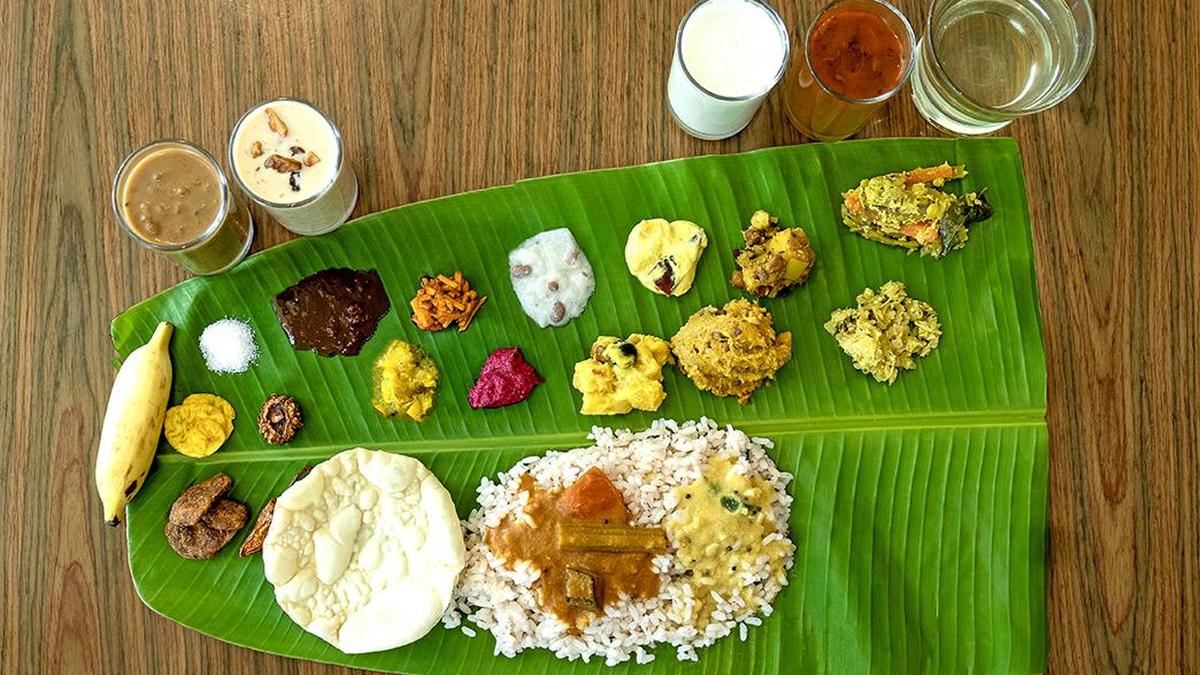
Special squads of the Food Safety wing have been working hard to ensure that Keralites have a safe Onam, especially since hundreds of catering units are engaged in preparing Onasadyas (Onam feasts) on a mass scale for the peopleFood Safety wing began its Safe Onam initiative weeks ago, keeping an eye on vehicles carrying fruits, vegetables, milk and dairy products, edible oils, jaggery and other food items. Samples of ghee, jaggery, payasam mix, coconut oil and other commonly used Onam food products were being checked. This is also the season when varieties of ready-to-eat items flood the market and officials have been checking the labelling requirements such as expiry date.“Food safety becomes a critical public-health concern when catering agencies are engaged in cooking on a mass scale for delivering Onasadyas to thousands. Apart from the FSSAI licencing requirements, catering establishments have been told to ensure that the food preparation area is clean and hygienic and that all food handlers possess a valid health card. Apart from the health card, the other mandatory requirement is that they use only potable water for washing vegetables and for cooking. This is extremely important because many food-borne illnesses in Keralam in recent times have been linked to unsafe water,” a Food Safety official said.Caterers should procure vegetables, coconut, spices, dairy products and other ingredients only from reliable sources. Ingredients showing spoilage or mold should be discarded. The Food Safety wing had conducted a special session for catering establishments ahead of Onam, to create awareness on the safety precautions that they needed to take when cooking on a mass scale.Preventing spoilageIt was pointed out that one of the greatest risks in mass catering is prolonged holding of cooked food at ambient temperature. Bacteria can multiply rapidly when food remains in the temperature range roughly between 5°C and 60°C. Ideally, cooked dishes should either be kept at temperatures above 60 degrees or it should be cooled rapidly and refrigerated when it is not intended for immediate consumption. “When it comes to traditional sadyas, food is usually cooked in the very early hours of the day and it reaches consumers several hours later. This increases the chance for contamination. We insist that they should plan it in such a way that cooked food is consumed by customers within four hours of preparation. While this time factor is extremely important to prevent spoilage of food, this also remains a huge challenge,” admits food safety officials.Many items in the traditional sadya, which contain coconut, coconut milk or dairy, stands high risk of spoilage and contamination when cooked in the early hours and is left to cool at room temperature in the State’s hot and humid weather. Traceability is essential and caterers should maintain records of suppliers, ingredients, preparation times and distribution destinations. Ideally, food samples from large-scale catering operations should be stored appropriately, so that an outbreak can be investigated quickly if several people fall ill. Published - August 25, 2026 08:17 pm IST
Safe Onam on the menu: Food Safety wing steps up vigilance on mass-catered sadyas
Full Article
Original Source
Read the full article at Thehindu →KhanList aggregates and links to publicly available news content. We do not host full articles from third-party sources. Always verify important information with original sources.