
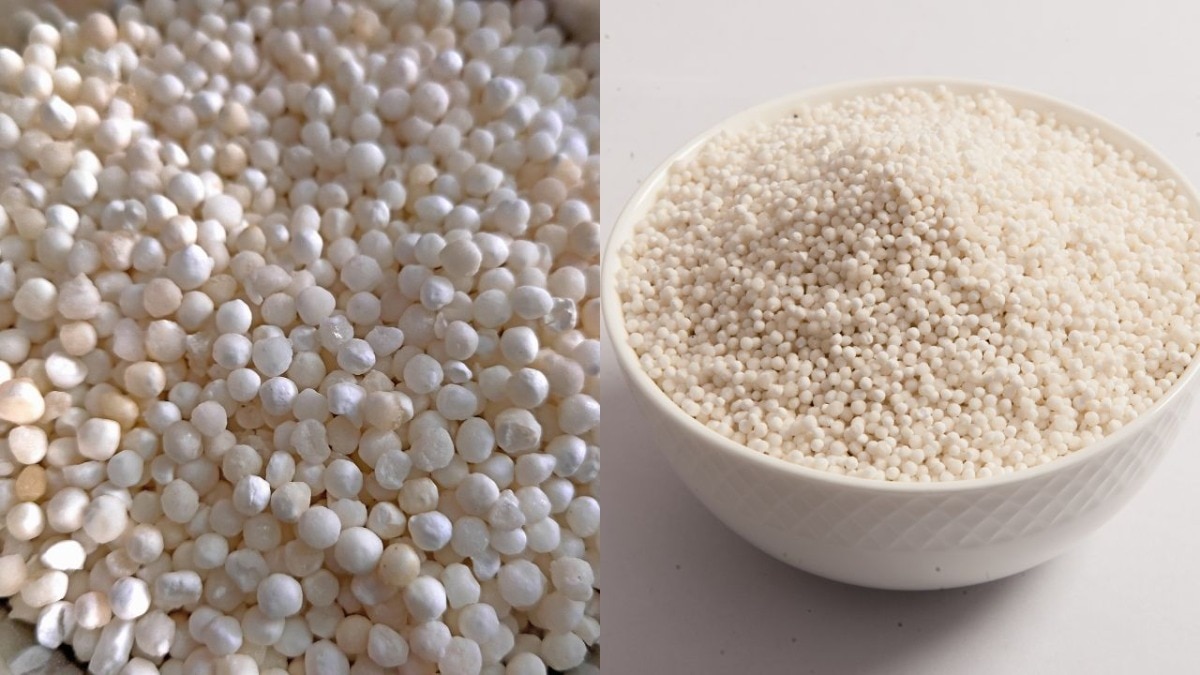
It’s mid-afternoon on a fasting day. You’re hungry, and a bowl of sabudana chips is right there. They look like nothing: pale, crisp and almost weightless. Surely something that airy can’t do much harm?Dietitians say the texture is misleading. “Sabudana chips may look light because of their crispy texture, but they are not necessarily low in calories, especially when deep-fried,” says Dt. Nisha, Nutritionist & Lactation Consultant at Motherhood Hospitals, Gurgaon.Here is what the chips are made of, what happens when they hit hot oil, and how much is sensible.WHAT IS SABUDANA, REALLY?Sabudana, also called sago or tapioca pearls, is pure starch. Zamurrud Patel, Chief Dietitian at Gleneagles Hospital, Parel, explains that it is “made from tapioca starch extracted from cassava roots and is primarily a source of carbohydrates.” The starch is extracted from the root and then processed into small pearls, according to Healthline’s explainer on the food. The numbers show how carb-heavy it is. Healthline, citing USDA data, lists one cup of dry tapioca pearls at roughly 544 calories and 135 g of carbohydrate. The same cup has under half a gram of protein and about 1.4 g of fibre.Both dietitians make the same point. Sabudana gives you quick energy but very little else. Patel says it supplies “very little protein, fibre, or other nutrients” and is less nutritionally varied than other fasting foods such as potatoes, sweet potatoes, fruits and nuts. Nisha adds that peanuts, nuts and makhana offer more protein or fibre. That matters on a fasting day, when meals are already small and variety is limited.WHAT FRYING DOESSabudana pearls are low in fat on their own. The frying is what changes things.Patel puts it simply: boiled or steamed sabudana made with minimal oil contains very little fat, whereas “deep-frying increases the fat and calorie content because the chips absorb oil.” The final numbers depend on how much oil is absorbed, the portion and the other ingredients.Nisha says the same: deep-fried chips are “a heavier snack for both mothers and children than boiled or steamed sabudana.”A 2024 review of frying and acrylamide in Food Production, Processing and Nutrition, which focused on potato products, gives a sense of the scale. It notes that oil uptake in deep-fried foods can account for more than 40% of the food’s mass. The authors say this is why fried foods aren’t recommended as a daily habit.THE EXTRA IN FRIED STARCH: ACRYLAMIDEThe same review covers another reason not to over-rely on fried starchy snacks. Acrylamide is a chemical that forms when starchy foods are heated to high temperatures, above about 120°C. It does not form in raw foods, and the review notes that boiled foods are free of it.The review reports that the International Agency for Research on Cancer classes acrylamide as a probable human carcinogen. It also notes that the evidence for harm in humans from dietary exposure is limited, while there is adequate evidence of cancer in experimental animals. Frying longer and at higher temperatures produces more of it, and darker, browner food tends to carry more.One honest limit: that review is about potato products such as chips and fries. It does not test sabudana chips specifically, so these figures shouldn’t be read as sabudana numbers. The general principle, that high-heat frying of starchy food creates acrylamide, is what applies.SMARTER WAYS TO SNACKPair it. Adding protein is the most useful single fix. Patel says peanuts add protein and healthy fats, while curd contributes protein and calcium. Nisha says peanuts, curd or paneer can all improve the protein content of a sabudana meal. Healthline similarly suggests vegetables to add fibre. Cook it differently.Air frying is backed by research on potatoes. The review cites a comparison finding about 70% less fat and 45% fewer calories per 100 g for air-fried French fries than deep-fried ones. It also reports that air frying cut acrylamide in potato chips compared with deep frying. Again, these are potato studies, but they show why the cooking method matters. Cooking only until golden, not dark brown, also helps limit acrylamide.Swap it. Both dietitians list options that give more fibre and protein:Roasted makhanaBoiled sweet potatoA fruit bowl with nutsRoasted peanuts in measured portionsA glass of milkSabudana chips aren’t forbidden, and neither dietitian says to avoid them. The message is about expectations. They are not “light” just because they’re airy. Deep-frying adds fat and calories, the starch can lift blood sugar fast, and the crunch makes it easy to eat more than you meant to.Keep the portion small, think of them as an occasional treat, and put something with protein or fibre next to them.- Ends
Sabudana during fasting: Crispy and light, but not as light as they look
Full Article
Original Source
Read the full article at Indiatoday →KhanList aggregates and links to publicly available news content. We do not host full articles from third-party sources. Always verify important information with original sources.