
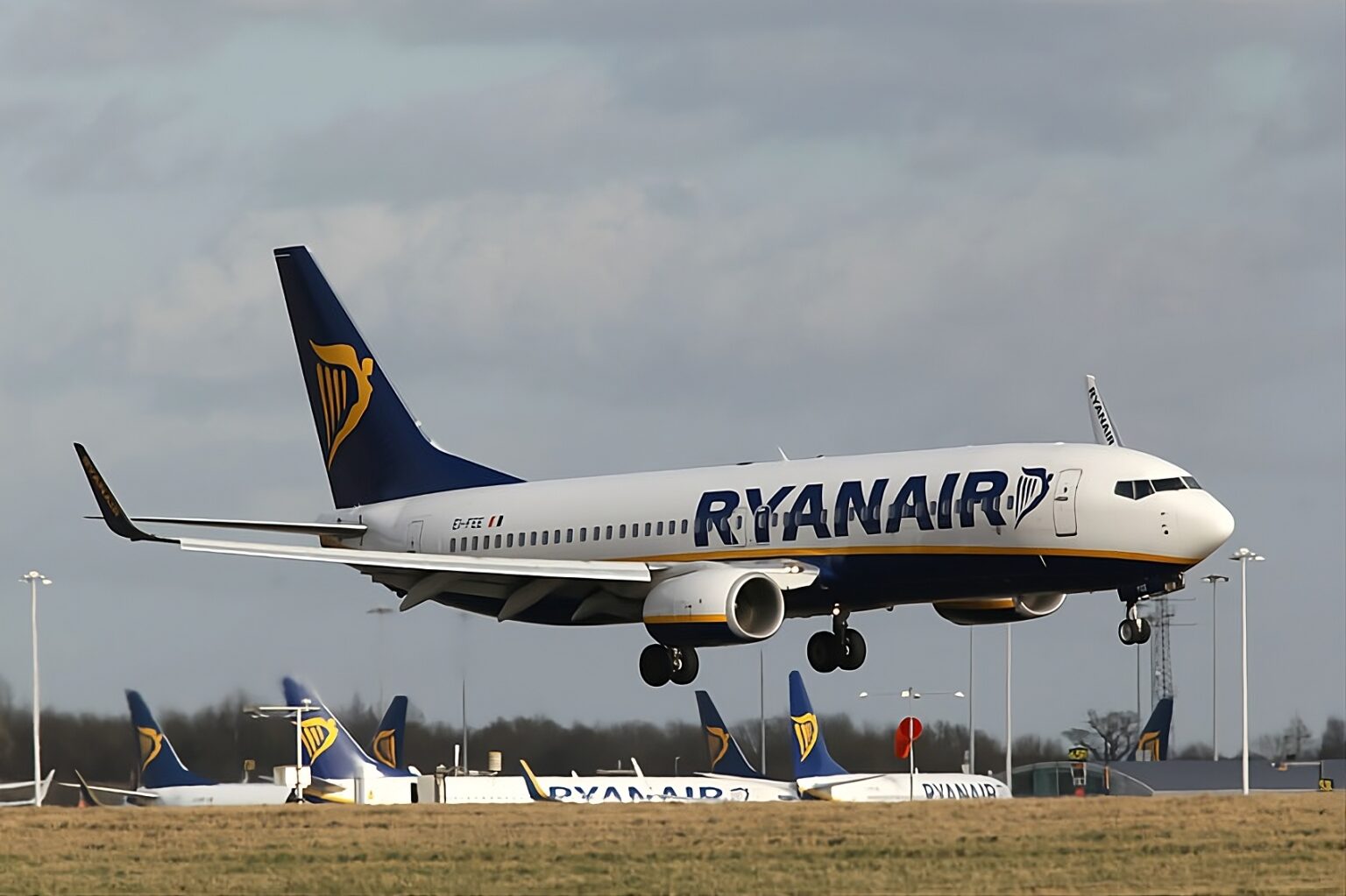
A trade group representing Lufthansa, Air France and KLM has gone to court in Ireland to challenge Ryanair’s right to fly. Their objection is to who owns the airline that carried 208 million passengers at an average fare of just €51 in the year ended March 31. European investors hold just 30% of Ryanair’s shares. Competitors say they run afoul of foreign ownership rules, but those European investors exercise 100% voting control of the ariline. I don’t see Europe grounding Ryanair. I do see why its competitors might like want to pick this fight. The European Network Airlines Association says it asked the European Commission and national regulators to check Ryanair’s ownership after the airline loosened its share purchase rules. That didn’t get them what they wanted so they sued the Irish Aviation Authority. On November 16, the judge declined to add Lufthansa, Air France and KLM as parties to the case, though they can submit affidavits. A hearing is scheduled for December 16. Who Owns Ryanair, And Who Gets Control? Brexit turned British shareholders into foreign investors without anybody having to sell a share. Since January 2021, nonqualifying shareholders haven’t been allowed to attend, speak or vote at Ryanair shareholder meetings. On March 7, 2025, Ryanair let them buy ordinary shares in Dublin again. It kept the voting ban, including for any votes the chairman might otherwise cast on their behalf. Ryanair says the change opened the door to inclusion in stock indexes. Its board said it would restrict purchases again if European ownership fell to 20%. . At both March 31 and September 30 this year, Ryanair put qualifying European ownership at 30%. That includes investors from Norway, Iceland, Liechtenstein and Switzerland. Shares held through its U.S. depositary are generally non-qualifying. Here’s who shows up in Ryanair’s March 31 shareholder disclosure. Reported holder Share of Ryanair Capital Group 14.6% MFS 4.7% Artisan Partners 4.5% Michael O’Leary 4.0% BlackRock 4.0% Fidelity 3.3% By October, Capital Group reported 15.70% for client accounts, and T. Rowe Price reported 3.00%. O’Leary’s 4% economic stake translates to 13% voting control. Does It Matter More Who Owns The Shares Or Who Controls The Airline? European law requires both. Qualifying states or their nationals have to own more than half the airline and effectively control it. Giving Europeans every vote solves the legal issue of control. The key legal question here is whether shares that carry no voting rights count as equity for the ownership test. European regulators have allowed this in the past. Wizz Air says British and Hungarian regulators approved its plan to suspend some foreign shareholders’ votes after Brexit so Wizz Air Hungary could keep its European license. easyJet just did this in a takeover vote. When shareholders approved an Apollo deal on November 11, qualifying Europeans owned 35.07% of easyJet. It suspended voting rights on 233,921,894 shares. Those shareholders keep their dividend rights. The proposed deal itself caps Apollo’s ordinary equity at 49.9%. But this is complicated. A 1995 Swissair–Sabena decision found that Swissair held 49.5% of the Belgian airline’s voting shares, plus special certificates that the European Commission agreed to leave out of the ownership calculation. Those certificates had no votes, generally paid at least 5% and gave Swissair no share of the assets left over in liquidation. That looked like debt. In contrast, a Ryanair shareholder who can’t vote still collects dividends (which aren’t fixed) and gains or loses money on fluctuations of the stock. What Happens If Ryanair Loses? If all the ordinary shares count, Ryanair has to get qualifying ownership above 50%. That’s 207 million existing shares moving from non-European to European owners (assuming they don’t issue new shares). The airline’s articles of incorporation allow it to direct restricted holders to sell to qualifying investors. This is being framed in some quarters as Ryanair having to shut down. That doesn’t seem likely. I’ve been writing about foreign airline ownership since 2003. If someone abroad is willing to put up the money for more planes and cheaper flights, what does the passenger gain by turning them away? If Europe needs aircraft and crews available for defense, it can pay airlines to provide them. Forcing a British retiree to sell Ryanair stock to a Frenchman doesn’t add aircraft that Europe can use for its defense. It does, however, give Lufthansa and Air France a way to raise a competitor’s cost of capital. So it’s decent return on trade association dues. (HT: Enilria) Topics on this page
Ryanair Flew 208 Million Passengers At An Average Fare Of $56—Now Its Rivals Want It Grounded For Not Being European Enough
Full Article
Original Source
Read the full article at Viewfromthewing →KhanList aggregates and links to publicly available news content. We do not host full articles from third-party sources. Always verify important information with original sources.