
I’m quite fond of Australia. Both my sister and wife have previously lived over there and my eldest nephew was born in Adelaide. Not only that, I have destroyed Savage Garden’s Affirmation at karaoke, seen Kylie live and watched the stage show Priscilla, Queen of the Desert on two continents. A long time ago, I used my BBC staff pass to crash the aftershow party of 80s Aussie rocker Jimmy Barnes, pretending I worked for some kind of trendy breakfast show, while actually being a rather staid newsreader. My partner in crime for that was my Aussie flatmate, for whom I travelled to South Australia to be bridesmaid at her wedding. Because there were so many people jetting in, instead of having a traditional honeymoon, they opted for a road trip for all her UK pals. We had a great few weeks visiting vineyards, watching Australia slay New Zealand at cricket, taking her uncle’s fishing boat out to catch squid and snapper and generally enjoying as many authentically Australian experiences as possible while living on a diet entirely of barbecued meats. Shorts So, as I say, I like Australia. I haven’t been over in a while, but my sister-in-law in the Sydney suburbs has a relatively new baby, so I reckon it won’t be long until I head back down under. Yet despite my embrace of the nation, its admirable commitment to rugged self-reliance and the importance of sporting greatness, it is not somewhere I would ever wish to live. A holiday is fine but, frankly, it’s too hot, there’s not enough culture and there are far too many things that scuttle, slither and can kill you. No thanks: cold, rainy, safe Scotland for me, every time. But, while I do not envy the Aussies for either their climate or their killer wildlife, there is one thing that I would have the UK adopt in a heartbeat: their pension system. The Australian system has always seemed to me a much better balance of responsibilities between the state, the employer and the individual, as well as providing transparency, choice, control and sustainability to a far greater degree than either the US or UK. Indeed, the entire Australian model is structured under those three pillars of responsibility. The lion’s share is borne by the employer, with a mandatory 12 per cent contribution paid on top of an employee’s wages. This is a non-negotiable business expense called Superannuation or “super”. It is supplemented by the state-funded Age Pension, which is means-tested and targeted towards those with low Superannuation balances to ensure a minimum retirement income. The third, Voluntary Contributions pillar, creates tax incentives for workers to add to their retirement pot out of their own income, on top of the employer contribution. Australian Super funds are enormous, with trillions of dollars to invest and that brings the advantages of size, scale and choice. That heft allows for low-cost efficiency, as well as the ability to invest directly in global infrastructure projects or private equity, alongside more traditional bets. The individual worker has choice over which Super they wish to manage their money and can choose the risk profile and therefore the potential returns, too. At retirement, the Australian system allows for detailed income planning as the money in your account is exactly what you get to spend. This is because as soon as the pension holder hits the “preservation age” (usually 60), any earnings on the investment are tax-free, as are any withdrawals. So pensioners are completely insulated from personal income tax brackets – it doesn’t matter how much their monthly pension income is; it is not taxed and no money returns back to the Government. There’s a reason why Australia’s pension system is consistently ranked in the world’s top 10 by the elite Mercer CFA Institute Global Pension Index, while the UK one is not (and the USA’s is ranked at 30, behind Colombia and even Kazakhstan). Part of Australia’s high rating is due to how well regulated schemes are – participants’ money is protected, operating costs are low, and transparency and communication rates are high. As such, engagement in pension planning and comparison is high – discussions about “supers” are commonplace around the dinner tables of Sydney, Melbourne and Hobart. And that’s where the UK is missing a trick. If workers had a better idea about how much, say, automatic enrolment would actually deliver in terms of projected pension income, there might be a greater clamour for a higher value system. I would hazard that few people in the auto-enrolment bracket know that the employer minimum contribution is just 3 per cent while the employee minimum is 5 per cent. No serious analyst believes that an 8 per cent annual pension contribution is enough to maintain lifestyle in retirement. As for the state pension, the UK’s pay-as-you-go system (rather than the pre-paid superannuation model in Oz) leaves us with a much greater sustainability risk than our Australian cousins, too. Today’s taxpayers fund today’s state pensions – as the UK ages and there are fewer workers per pensioner, that system starts to wobble. So while the UK may not have venomous snakes or deadly spiders, there’s still the risk of a nasty bite when it comes time to retire.
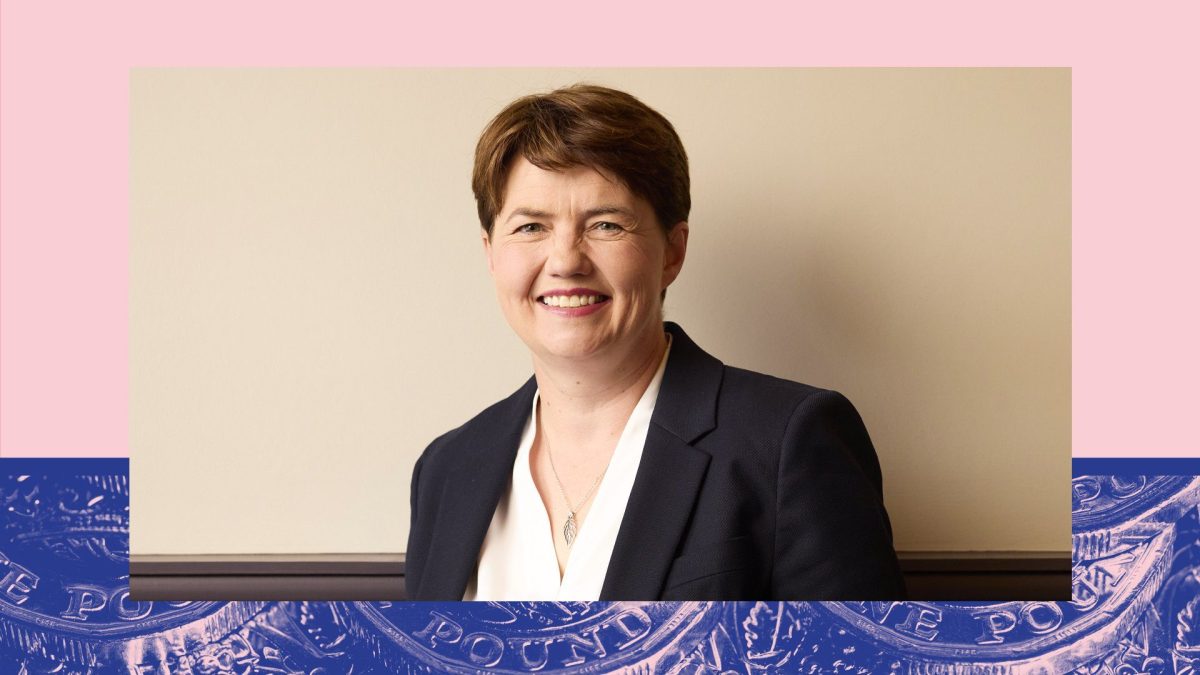
Ruth Davidson: What the UK could learn from Australia’s elite pension system
Full Article
Original Source
Read the full article at Inews →KhanList aggregates and links to publicly available news content. We do not host full articles from third-party sources. Always verify important information with original sources.