
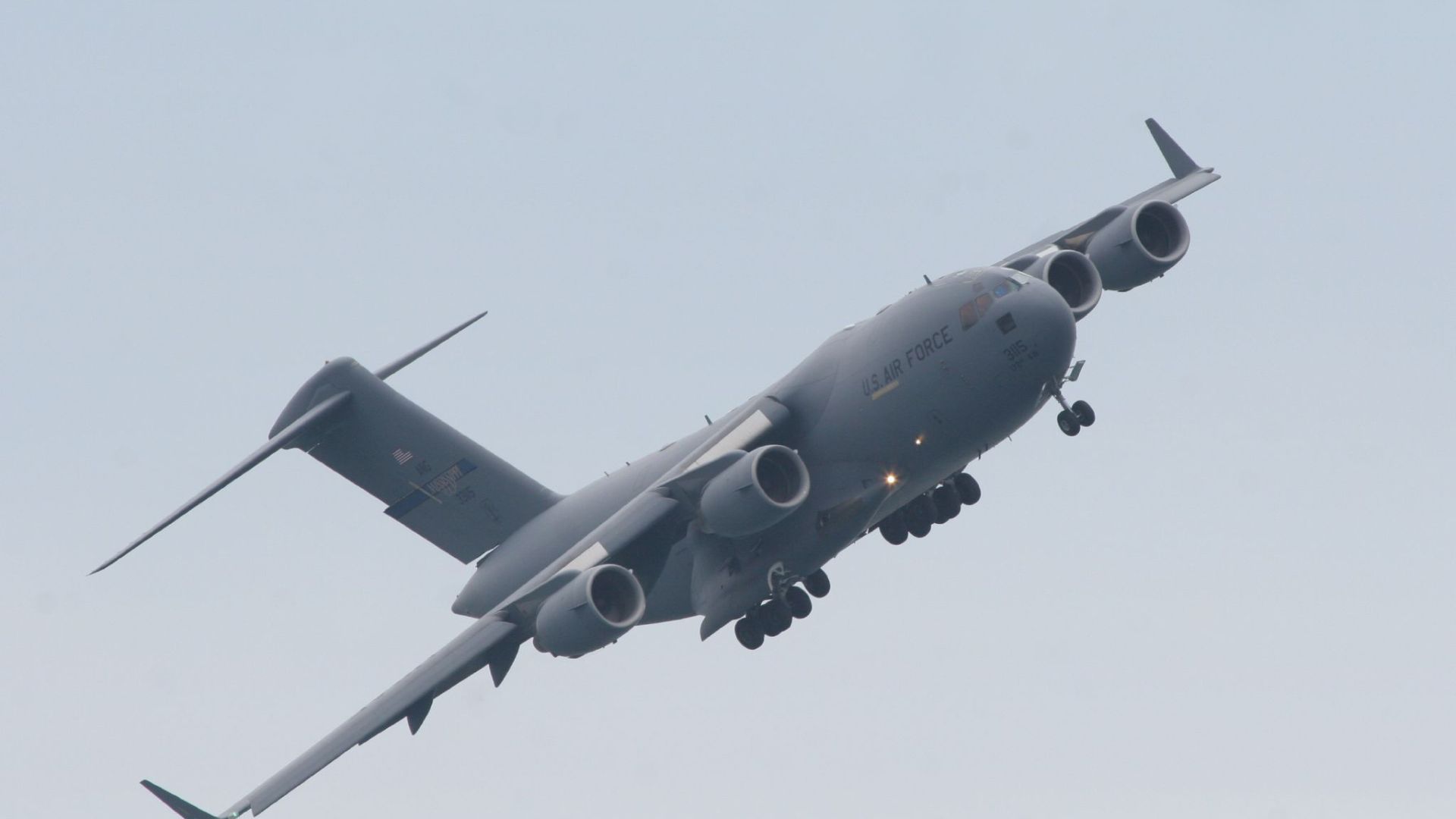
A mysterious aerospace activity by Russians forced a U.S. Air Force’s plane to Antarctica to turn back, according to a report. The C-17 Globemaster transport aircraft was on its way to Antarctica when the Russian Air Traffic Management Corporation issued an advisory. The notice advised of “space activity, potentially hazardous to aviation en route to Antarctica”.The American C-17 Globemaster aircraft took off from New Zealand’s Christchurch on August 18. However, aviation authorities had issued a warning about potentially hazardous activity in international airspace south of New Zealand. USAF plane returned safely to Christchurch After receiving information about a planned Russian missile launch and the potential hazards associated with it, the aircraft turned around and returned safely to Christchurch.The incident highlights the risks faced by aircraft operating over remote regions such as the Southern Ocean, where alternative routes and emergency landing options are extremely limited. Aircraft remained airborne for roughly two and a half hours According to flight-tracking data cited by multiple reports, the U.S. Air Force C-17 was operating under the call sign ICE28. It departed Christchurch at approximately 9:00 a.m. local time and initially proceeded south toward Antarctica. The aircraft remained airborne for roughly two and a half hours before returning to Christchurch, landing shortly before 11:30 a.m.The aircraft’s return was linked to a NOTAM, or Notice to Airmen, issued by New Zealand’s Civil Aviation Authority (CAA). The warning followed information received from Russia’s State Air Traffic Management Corporation concerning planned activity that could pose a hazard to aircraft.New Zealand authorities initially described the issue as potentially hazardous “space activity.” In a subsequent clarification, the CAA said it had been informed of a planned missile launch and an associated potential hazard to international airspace within New Zealand’s Oceanic Flight Information Region.For the C-17 crew, continuing the mission toward Antarctica apparently was not considered the safest option under the circumstances. Returning to Christchurch provided the aircraft with a known airport and avoided the potentially hazardous area.A report revealed that the flight was scheduled as a part of the U.S. Air Force’s winter fly season, which transports researchers and necessary equipment to Antarctica before summer research season begins in the region. The aircraft is one flight that is scheduled annually to fly between Christchurch and both the U.S. and New Zealand’s research bases in Antarctica. Warning concerned airspace within New Zealand’s Oceanic Flight Information Region The warning concerned airspace within New Zealand’s Oceanic Flight Information Region, which covers approximately 30 million square kilometres across large parts of the Pacific Ocean and surrounding areas. Russia’s aviation authorities reportedly notified New Zealand authorities about planned missile activity. New Zealand then issued the aviation warning, allowing operators to evaluate the risk.
Russia’s mysterious aerospace activity forces US Air Force to cancel Antarctica visit
Full Article
Original Source
Read the full article at Interestingengineering →KhanList aggregates and links to publicly available news content. We do not host full articles from third-party sources. Always verify important information with original sources.