
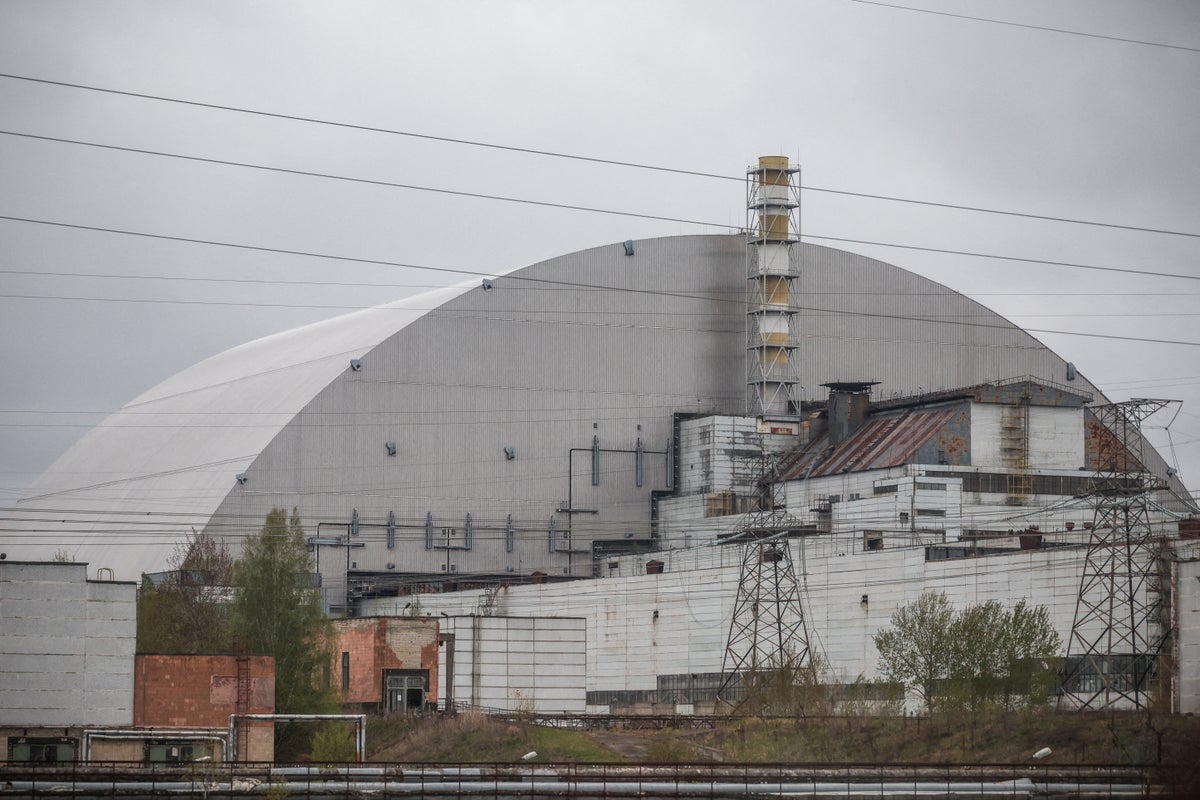
Ukraine faces an increased risk of a nuclear accident this winter as Russia steps up attacks on the country's energy infrastructure, international nuclear safety regulators have warned.Regulators representing 38 countries have urged Moscow to stop targeting power plants and electricity lines, warning that damage to the grid could make it increasingly difficult for Ukraine's nuclear facilities to operate safely.In a joint statement seen by Reuters, the organisations said they were deeply concerned about the growing threat to nuclear safety caused by Russia's war and its continued attacks on energy infrastructure.They called on Russia to stop strikes against nuclear facilities and the electricity network needed to keep them operating safely.The central concern is that nuclear reactors need a reliable supply of electricity to keep nuclear fuel cool. If power from the grid is lost, plants must rely on backup systems to maintain cooling and prevent a potentially catastrophic meltdown.Workers clear debris at a thermal power plant of the largest Ukrainian private energy company DTEK, heavily damaged following Russian missile and drone strikes (AFP/Getty)Per Strand, head of the Heads of European Radiological Protection Competent Authorities (HERCA) and the Heads of the Nordic Radiation Safety Authorities (NORA), told Reuters that Russian attacks had become more dangerous in recent weeks, with drones carrying larger payloads and targeting infrastructure more precisely.He said the risk of a nuclear accident would be at its highest this winter because of the change in Russian tactics.What could happen if Ukraine loses power?Strand said the worst-case scenario would be a nationwide blackout affecting all nine of Ukraine's operating nuclear reactors at the same time.He warned that a simultaneous loss of power across the reactors could create the risk of radioactive releases, describing such a situation as particularly severe.A major nuclear accident could release radioactive material into the atmosphere, potentially affecting areas well beyond Ukraine's borders.Strand stressed that the current situation could still be prevented if Russia stopped attacking energy infrastructure. He also called on European countries to prepare emergency plans in case an accident occurred. Zaporizhzhia is Europe's largest nuclear power station and has been under Russian control since the early stages of the invasion. It is not currently generating electricity but still needs an external power supply to keep nuclear material cool. (Reuters)Why are Ukraine's nuclear power plants vulnerable?Ukraine has four nuclear power plants, three of which are currently operating. Together, they provide around 80% of the country's electricity used this winter, making a stable power supply particularly important.The fourth plant, Zaporizhzhia, is Europe's largest nuclear power station and has been under Russian control since the early stages of the invasion. It is not currently generating electricity but still needs an external power supply to keep nuclear material cool.The plant has lost its external electricity supply 27 times since the start of the war, according to the International Atomic Energy Agency (IAEA). During outages, it has had to rely on emergency diesel generators to power essential cooling systems.Since late March, the plant has depended on a single external power line, leaving it particularly vulnerable to further disruption.Russia and Ukraine have repeatedly accused each other of attacks on the nuclear plant and the power lines supplying it.
Russia’s attacks on Ukraine’s power grid raise fears of a nuclear accident this winter
Full Article
Original Source
Read the full article at Independent →KhanList aggregates and links to publicly available news content. We do not host full articles from third-party sources. Always verify important information with original sources.