
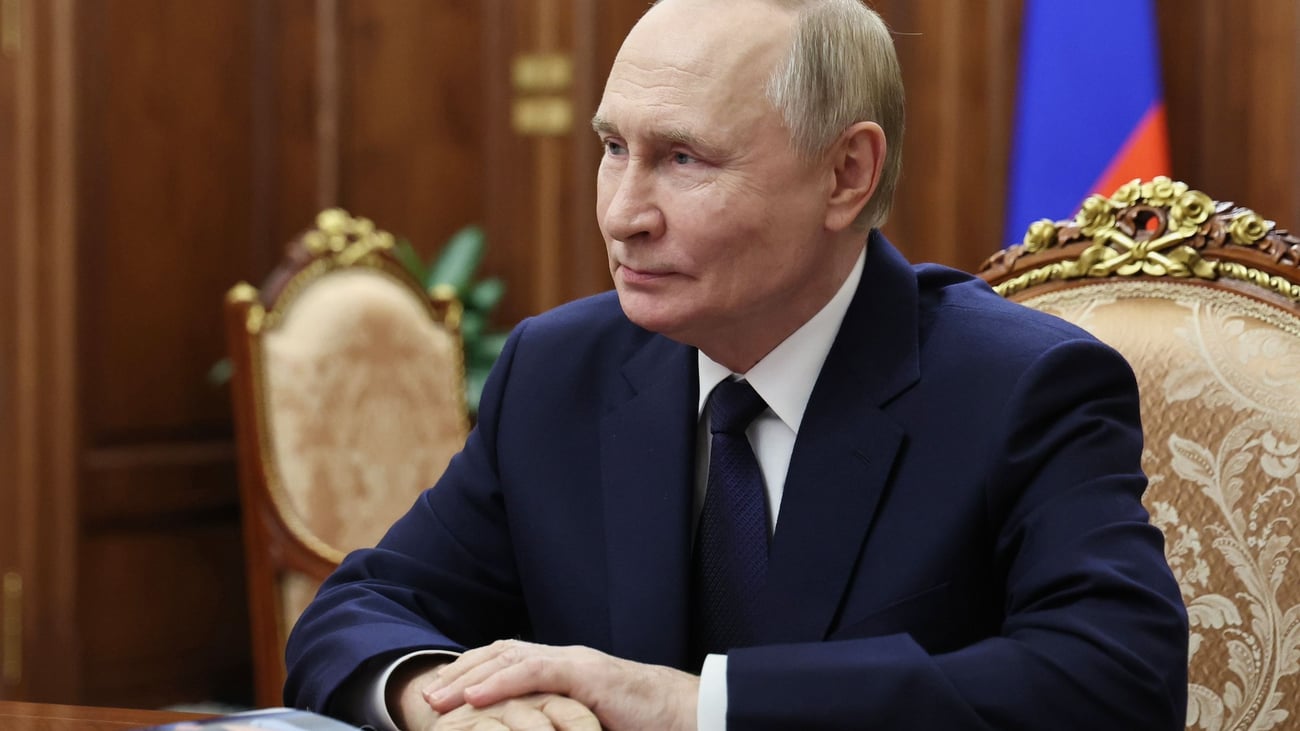
President Vladimir Putin is under mounting pressure as Ukrainian retaliatory drone strikes impose an increasing toll on the Russian economy and civilians.(AFP) — The Kremlin on Thursday dismissed as “scare stories” U.S. media reports suggesting that Russia could attack NATO following a rare visit by the CIA director to Moscow.The Wall Street Journal and CBS News reported that CIA Director John Ratcliffe had sought to dissuade Russia from attacking NATO members amid U.S. intelligence assessments that Moscow could seek to test the alliance.The Journal reported that President Vladimir Putin could test NATO with a “limited assault” within the next few years.Asked to comment on the reports at a daily briefing, Kremlin spokesman Dmitry Peskov said: “A lot of such scare stories are being published right now. Of course, they have nothing to do with reality.”On Ukraine, he said Russia “would prefer to achieve its objectives by peaceful means, but in the absence of an opportunity to do so, it is continuing the special military operation,” referring to Moscow’s ongoing offensive in Ukraine.Peskov also criticized Ukraine’s European backers, saying Russia “is facing a very aggressive policy” from them.Russia has repeatedly rebuffed Ukrainian demands for face-to-face peace talks between Putin and Ukrainian President Volodymyr Zelenskyy, instead demanding that Kyiv withdraw from the eastern Donbas region.Earlier Thursday, Russia’s foreign intelligence chief, Sergei Naryshkin, played down the meeting with his CIA counterpart.“Yes, the meeting did take place, but there is nothing unusual about it,” Naryshkin was quoted as saying by the state news agency Tass.He said the two had discussed “a number of issues that fall within the remit of intelligence services,” describing it as “quite a delicate and special matter.”‘Semi-routine’CBS News reported, citing multiple people familiar with the matter, that Ratcliffe also discussed the war in Iran, warning of additional sanctions if the Strait of Hormuz did not reopen to shipping traffic.U.S. President Donald Trump also played down Tuesday’s talks in Moscow, suggesting they concerned Ukraine and dismissing reports that Ratcliffe had raised NATO or the U.S. campaign to pressure Iran.“He’s there, very sort of semi-routine. I hate to disappoint people. We would like to see the war with Ukraine end,” Trump said in an interview with conservative radio host Glenn Beck.The White House did not respond to multiple AFP requests for comment.Ratcliffe is one of the highest-ranking U.S. officials to visit Russia since the war in Ukraine began in 2022.His visit came amid an escalation in Moscow’s offensive, with attacks this summer driving up the civilian death toll while U.S.-brokered peace talks have stalled.The last CIA director to visit Moscow was William Burns in November 2021, when he warned Russia against sending troops into Ukraine.Three months later, the Kremlin launched its full-scale invasion, which became Europe’s deadliest conflict since World War II.The CIA also has been involved in prisoner swap deals with Russia, including a major exchange in mid-2024.Putin is under mounting pressure as Ukrainian retaliatory drone strikes impose an increasing toll on the Russian economy and civilians.Widespread drone use at the front has made swift, large-scale troop movements increasingly difficult, preventing either side from gaining a clear advantage in the grinding four-and-a-half-year war.Subscribe to our free newslettersOur weekly newsletter Closing Arguments offers the latest about ongoing trials, major litigation and rulings in courthouses around the U.S. and the world, while the monthly Under the Lights dishes the legal dirt from Hollywood, sports, Big Tech and the arts.Additional Reads
Russia dismisses as ‘scare stories’ US reports about attacking NATO
Full Article
Original Source
Read the full article at Courthousenews →KhanList aggregates and links to publicly available news content. We do not host full articles from third-party sources. Always verify important information with original sources.