
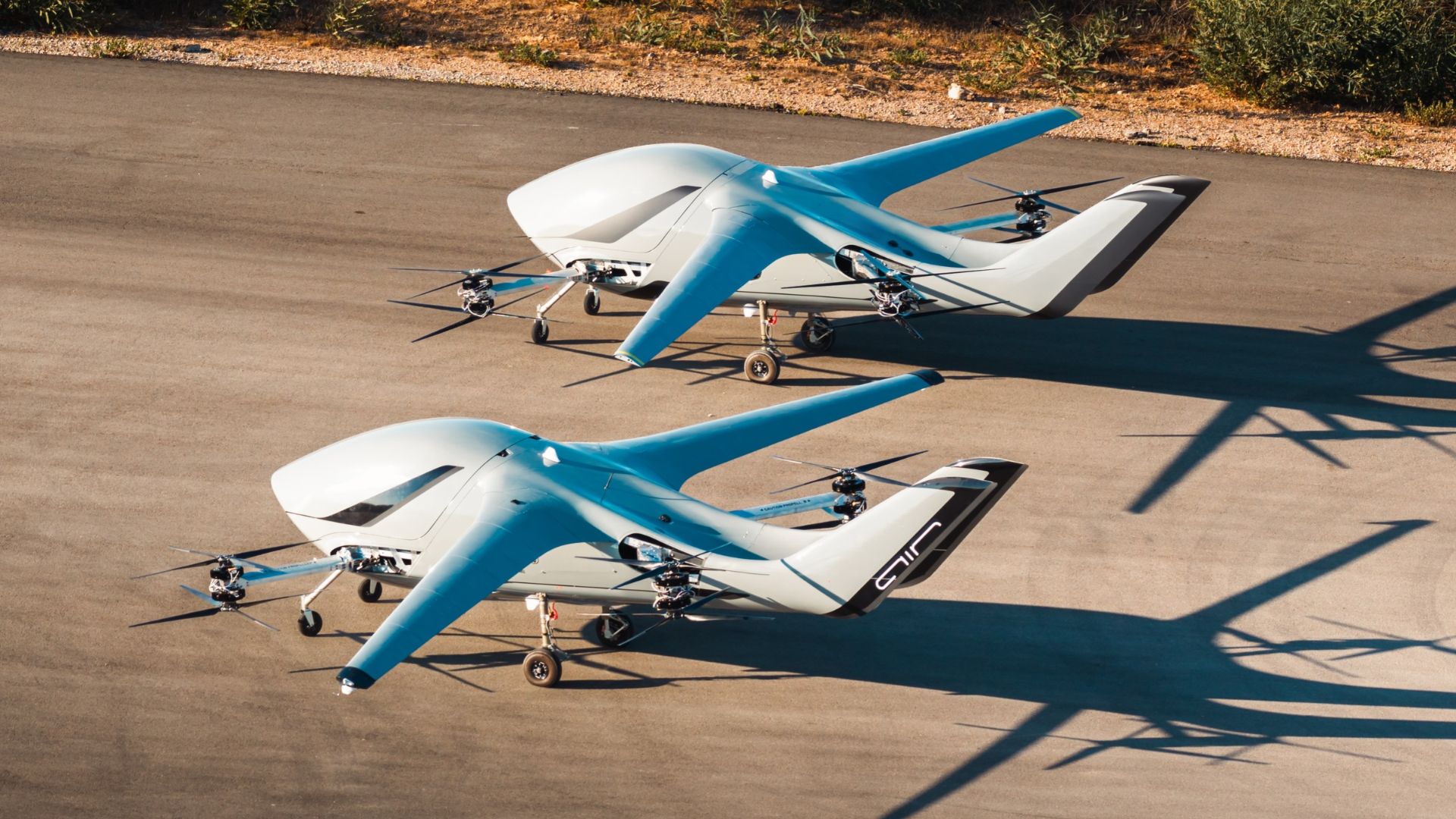
An autonomous electric aircraft designed to move heavy cargo is heading to the United States for flight demonstrations. The AIR 120D can carry approximately 550 pounds without requiring a conventional runway or an onboard pilot. AIR has shipped its first AIR 120D cargo aircraft to its Florida headquarters. The aircraft will undergo flight demonstrations as the aerospace manufacturer expands its operations in the US. Its arrival also advances plans to establish domestic production and flight operations. The aircraft targets logistics missions where conventional transportation infrastructure presents limitations. Its combination of vertical flight and autonomous operation could make remote resupply more practical. Military logistics also represents a potential application for the platform. Cargo aircraft without runways The AIR 120D uses electric propulsion and vertical takeoff and landing capabilities. It can operate without the long, prepared surfaces that conventional cargo aircraft require. That makes it suitable for locations with limited aviation infrastructure. Its cargo bay provides approximately 70 cubic feet of storage space. The aircraft can accommodate payloads weighing up to 550 pounds. That capacity opens possibilities beyond lightweight package deliveries. Potential missions include remote resupply, maritime logistics, and humanitarian assistance. Commercial operators could also use the aircraft for mid-mile cargo transportation. Its autonomous flight system removes the need for an onboard pilot. The US Department of War classifies the AIR 120D within its Group 4 uncrewed aircraft systems category. This classification places the aircraft among larger military drone platforms. AIR designed it to address transportation challenges in contested and infrastructure-limited environments. Engineering for autonomous cargo Developing an aircraft capable of carrying substantial payloads requires more than vertical flight. Its propulsion system must generate sufficient lift throughout takeoff, flight, and landing. Battery performance also influences payload capacity and operational range. AIR says its cargo program has accumulated more than two years of development experience. Earlier aircraft provided hundreds of development flights and valuable customer feedback. Engineers used those findings to refine propulsion, battery systems, avionics, and autonomous flight capabilities. The company first flew its production cargo configuration in April 2026. The latest shipment brings that development program to the US. Demonstrations at its Florida headquarters will help advance its operational plans. AIR CEO and co-founder Rani Plaut pointed to Florida’s investment in advanced aviation infrastructure. He said the aircraft’s arrival would help demonstrate autonomous cargo transportation. Plaut also cited the platform’s ability to carry substantial payloads into difficult-to-reach locations. Florida becomes production hub AIR’s expansion in Florida involves more than its cargo aircraft. The manufacturer announced a partnership involving its Florida headquarters in August. Its plans include flight programs for the AIR ONE personal eVTOL. The state has also partnered with AIR through the Florida Department of Transportation. That relationship supports infrastructure development for advanced air mobility operations. Establishing production and flight activities could strengthen Florida’s position in emerging aviation technologies.The AIR 120D demonstrations will provide another opportunity to evaluate autonomous cargo operations. Repeatable flights and production capabilities remain important steps toward wider deployment. Military and commercial logistics operators could eventually benefit from aircraft that transport heavy supplies without traditional runway infrastructure.Get the latest in engineering, tech, space & science - delivered daily to your inbox.Aamir is a seasoned tech journalist with experience at Exhibit Magazine, Republic World, and PR Newswire. With a deep love for all things tech and science, he has spent years decoding the latest innovations and exploring how they shape industries, lifestyles, and the future of humanity.
Runway-free autonomous cargo aircraft carries 550 pounds without a pilot onboard
Full Article
Original Source
Read the full article at Interestingengineering →KhanList aggregates and links to publicly available news content. We do not host full articles from third-party sources. Always verify important information with original sources.