
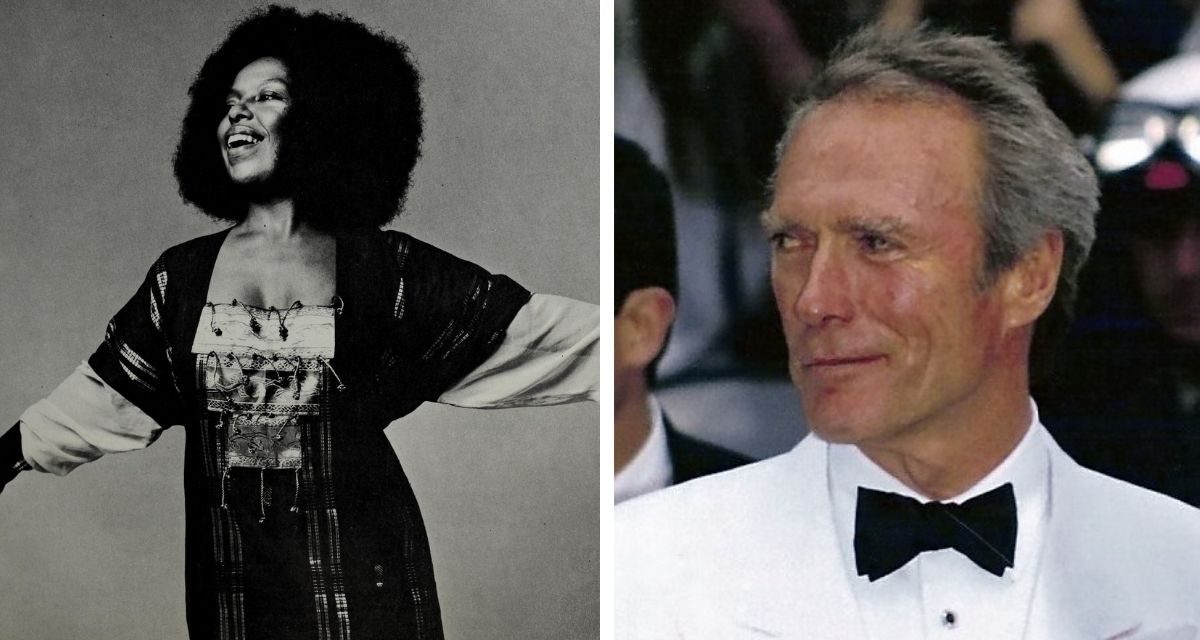
Roberta Flack never thought her soulful rendition of Ewan MacColl’s 1957 folk song, “The First Time I Ever Saw Your Face,” would become a massive hit. Thankfully, Clint Eastwood had other plans. And had he not entered the picture, perhaps Flack would have been right. Flack recorded the song for her 1969 debut album, First Take, giving the composition an uncharacteristically slow and intimate treatment. Her version stretched beyond five minutes, with a long piano introduction and plenty of space between notes. It was beautiful, but Flack doubted that it was built to top the pop charts. A song meant for cinema, not radio Meanwhile, Clint Eastwood was making his directorial debut with Play Misty for Me. During this time, Eastwood had heard a rare radio recording of the tune and instantly reached out to Flack to discuss using it in the movie. Even then, Flack suggested speeding up the tempo. To be fair, her cover had gone a few years without becoming a major hit, which somewhat justified her hesitation. But Eastwood wasn’t concerned with radio play. Artistically, he knew it would complement an “idyllic scene” in which his character, Dave, reconciles with his girlfriend, Tobie, played by Donna Mills, after an affair. Eastwood wanted music that could carry the emotion without overwhelming the moment. Flack’s recording gave him exactly that. Its slow pace allowed the scene to linger, while the sparse arrangement and intimate vocals made the song feel raw and heartfelt. Suddenly, everyone was listening Audiences seemed to agree. Play Misty for Me’s critical and commercial success led Atlantic Records to release “The First Time Ever I Saw Your Face” as a single. In 1972, the song climbed to No. 1 on the Billboard Hot 100 and stayed there for six weeks. It became Billboard‘s No. 1 song of the year, an extraordinary result for a recording that had already been on an album for nearly three years. Flack also won two of the biggest Grammys for the song, taking home Record of the Year and Song of the Year in 1973. Sometimes a song just needs the right story This story is one of many great examples of how a movie can give a song deeper emotional content, often amplifying its popularity. Similarly, Louis Armstrong’s “What a Wonderful World” found a new resonance when Good Morning, Vietnam played it against images of the Vietnam War, while Chris Isaak’s “Wicked Game” gained a much larger audience after David Lynch featured it in Wild at Heart. More recently, streams of Nirvana’s “Something in the Way” surged after it became an anthem for Robert Pattinson’s Bruce Wayne, since director Matt Reeves used it throughout The Batman. In every scenario, the filmmaker recognized something in a song that, paired with a meaningful story, could make it more powerful. A recent documentary puts Flack back in the spotlight Flack’s story has found a new audience, following the 2026 OWN Spotlight: Roberta, which revisited her life and career. The film, which debuted after Flack’s death in February 2025, put stories of her music back in the spotlight, including how Eastwood helped turn “The First Time I Saw Your Face” from an overlooked track into a cultural phenomenon.
Roberta Flack said her song was too slow for Clint Eastwood’s movie. Then he made it a No. 1 hit.
Full Article
Original Source
Read the full article at Upworthy →KhanList aggregates and links to publicly available news content. We do not host full articles from third-party sources. Always verify important information with original sources.