
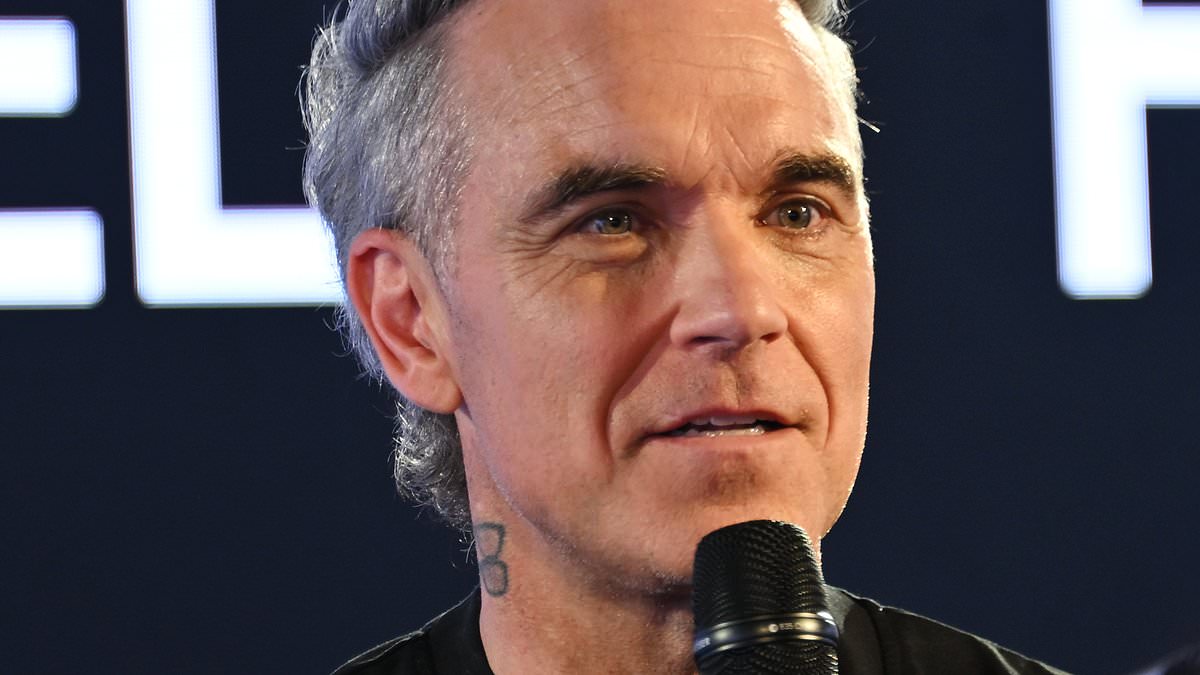
The Health Service is spending ten times more money on diagnosing ADHD than it was a year ago - a costly bill that NHS leaders have deemed 'out of control' and 'unsustainable'. Private clinics are also taking advantage of soaring demand, charging the NHS up to £3,000 per patient to carry out assessments for ADHD and autism, health chiefs say.As a result, some regions are being forced to scale back on vital services for people with learning disabilities to meet soaring demand for ADHD assessments, according to a new report.The NHS Alliance, which represents health trusts and published the report, said the system was 'out of control' and represented a 'bad deal' for patients and taxpayers. After examining the 'relentless rise' in spending across the 42 NHS care boards, the group added that NHS managers were struggling to ensure the quality and safety of care. Referrals for ADHD have soared 20-fold since the turn of the century, NHS figures show. There are 800,000 people waiting for an ADHD assessment in England. NHS England also estimates that around 2.5million people in England are living with ADHD, including many who have not yet been formally diagnosed. Under an initiative known as the Right to Choose, patients can be assessed privately, with the NHS then obliged to foot the bill, driving the dramatic surge in spending. Autism and ADHD care is at risk of descending into chaos, NHS bosses have warnedOne unnamed integrated care board (ICB) told the NHS Alliance that its monthly spending on ADHD and autism services had risen more than tenfold, from £146,000 in 2024-25 to £1.5million last year. In Kent and Medway, spending on the assessment and treatment of ADHD and autism rose from less than £1million in 2023-24 to £28.9million this year. Meanwhile, in Cheshire and Merseyside, spending on adult ADHD services alone has soared from £11million in 2023-24 to a projected £51million for the 2026-27 financial year. The NHS Alliance's report highlighted a 'huge variation' in the prices paid for services, with fees ranging from £300 to £3,000 for an initial assessment. A Government review into what is driving the rising demand - including an inquiry into whether the increase has been caused by overdiagnosis - is expected to be published soon. The Right to Choose initiative is aimed at helping patients bypass long waiting lists, but the NHS Alliance said the policy had led to a 'Wild West' of private clinics - many of which are carrying out diagnostic assessments online. One unnamed trust said it received invoices for ADHD services from 80 separate clinics. 'The current situation is unsustainable and delivers a bad deal for patients and taxpayers,' Rebecca Gray, director of the alliance's mental health network, said. Actress Sheridan Smith has spoken about how a diagnosis of attention deficit hyperactivity disorder (ADHD) has helped her 'make sense of a lot of things' in her life. She added that trusts were facing 'uncontrollable costs' as a result - with unplanned overspending having a serious knock-on effect on other activities. The NHS Alliance is demanding a national fixed tariff to limit how much private clinics can charge the Health Service for ADHD and autism services. Without this, experts say, NHS spending will continue to rise uncontrollably. 'In any health service there has got to be trade-offs, and if money is being spent on ADHD under Right to Choose, then other services will suffer as a result,' Thea Stein, chief executive of the Nuffield Trust, told The Times. The NHS Alliance is also asking the Government to include a national service specification in its 'new national approach' for autism, ADHD and mental health to ensure high quality assessments. Kent and Medway has already introduced a prioritisation scheme for children and young people to ensure those with the greatest clinical need are assessed first. It is now proposing to do the same for adult assessments - which appear to be driving the surge in spending. But there is concern that those who are not fast-tracked for an assessment will end up facing a longer wait. Robbie Williams revealed he was diagnosed with autism, exclusively reported by the Daily Mail earlier this month It is the only area to have agreed its 2026-27 budget with NHS England, the Health Service Journal reported last week. A number of healthcare professionals have raised their concerns, stating that it is clear the system is in crisis. 'Spending is rising on short-term solutions due to years of under-investment in improving services,' Mel Merritt, from the National Autistic Society, said. Rolland Park, a consultant psychologist specialising in ADHD and autism diagnoses, added: 'The concerns around spiralling costs, inconsistent quality and regulation are legitimate, but we need to be careful that this doesn’t become simply a conversation about whether too many people are seeking an ADHD or autism diagnosis. 'Too often, families pursue assessment because diagnosis has effectively become the gateway to understanding and much needed support. 'While we debate the cost and sustainability of assessment, we cannot lose sight of the young people and families spending months, often years, waiting for help.'Experts say rising demand is being driven by a combination of growing awareness of ADHD, improved recognition of symptoms and increasing discussion of the condition on social media - rather than a genuine increase in the number of people affected. A number of high-profile figures have spoken out about having ADHD in recent years, including the actress Sheridan Smith, Olympic swimmer Adam Peaty and entrepreneur Steven Bartlett. Diary Of A CEO podcast host Steven Bartlett was diagnosed with ADHD in 2023 Campaigners say such disclosures have helped to reduce stigma and encourage people who have long struggled with symptoms to seek an assessment.The debate has also been thrust back into the spotlight after Robbie Williams disclosed that he had been diagnosed with autism. The Take That star, who has previously spoken about having ADHD, said the diagnosis had helped to explain aspects of his behaviour and experiences.At the same time, recent figures for autism assessments in England show the number of patients waiting at least three months for an initial specialist appointment has jumped by more than a quarter.In response, the NHS said: 'We know waits have been too long for too many families, and we are taking action to improve access to ADHD and autism support while ensuring NHS-funded services provide good value for money.'The next phase of the independent prevalence review will inform future service development to ensure many more people can get the help they need when they need it.'An interim report, published in March, uncovered 'institutional incentives' to seek a diagnosis, which allow for adjustments at school and in the workplace. It comes amid a sharp rise in mental health problems such as depression and anxiety since the pandemic. Meanwhile, 1.35million working-age people who were out of work because of long-term sickness reported suffering from depression, anxiety or mental health problems in 2023 – a 40 per cent rise since before the pandemic. What is ADHD? Attention Deficit Hyperactivity Disorder (ADHD) is a behavioural condition defined by inattentiveness, hyperactivity and impulsiveness.It affects around five per cent of children in the US. Some 3.6 per cent of boys and 0.85 per cent of girls suffer in the UK. Symptoms typically appear at an early age and become more noticeable as a child grows. These can also include:Constant fidgeting Poor concentrationExcessive movement or talkingActing without thinkingInability to deal with stress Little or no sense of danger Careless mistakesMood swingsForgetfulness Difficulty organising tasks Continually starting new tasks before finishing old onesInability to listen or carry out instructions Most cases are diagnosed between six and 12 years old. Adults can also suffer, but there is less research into this.ADHD's exact cause is unclear but is thought to involve genetic mutations that affect a person's brain function and structure.Premature babies and those with epilepsy or brain damage are more at risk. ADHD is also linked to anxiety, depression, insomnia, Tourette's and epilepsy. There is no cure. A combination of medication and therapy is usually recommended to relieve symptoms and make day-to-day life easier. Source: NHS Choices
Revealed: The 'out of control' cost of autism and ADHD to the NHS - spend up 10-fold in a decade, shock report finds
Full Article
Original Source
Read the full article at Dailymail →KhanList aggregates and links to publicly available news content. We do not host full articles from third-party sources. Always verify important information with original sources.