
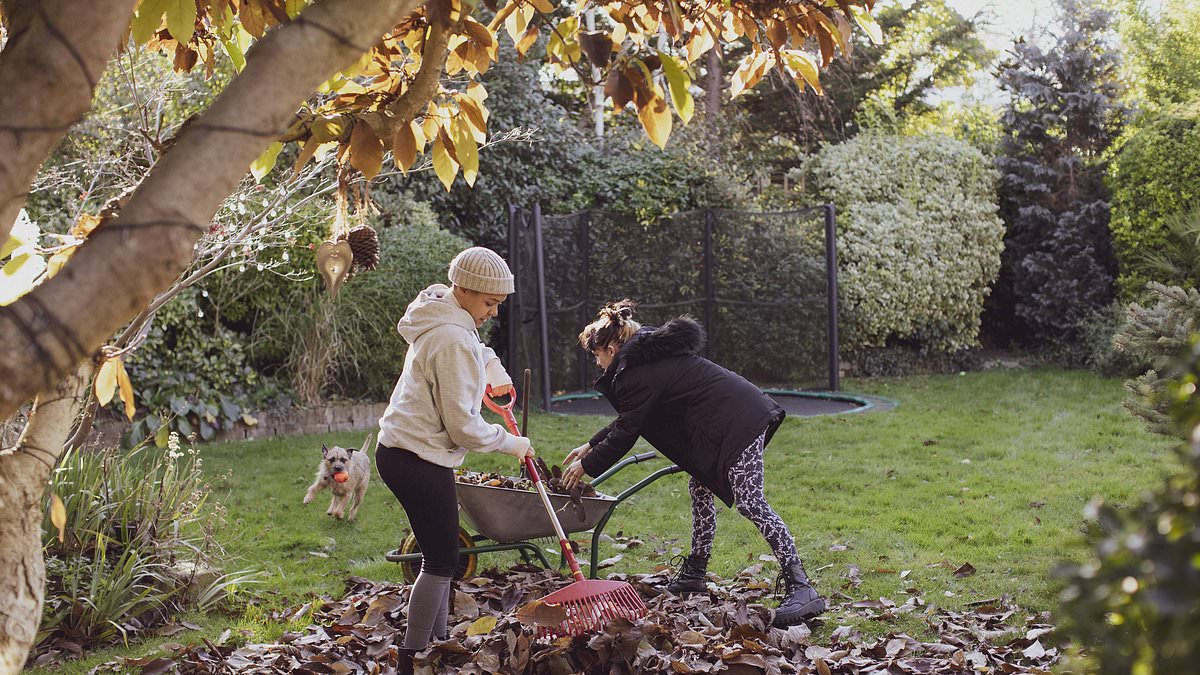
Daily Mail journalists select and curate the products that feature on our site. If you make a purchase via links on this page we will earn commission - learn moreIt seems like it was yesterday when we were excitedly gearing up for summer, and now suddenly, temperatures are dropping, the leaves are falling, and the trees are changing colour. As we head into September, we mark the beginning of one of the most picturesque but high-maintenance months for our gardens.Thankfully, the outdoor experts have revealed their best tips and tricks for preparing your garden for colder weather and helping it recover from the summer's heatwaves.Those with brown, dried lawns need not worry, as there are plenty of ways to revive heat-stricken grass to its former green glory. As we head into September, we mark the beginning of one of the most picturesque, but high-maintenance months for our gardens (stock image)Andy Simms, spokesperson at MyBuilder.com, said restoring your lawn should be the main task on your September gardening to-do list. He recommended 'scarifying' your lawn to do away with dead grass, moss and other organic matter so your grass can soak up as much moisture as possible. Jimmy Englezos, gardening expert at garden and DIY retailer Ronseal, said now is the time to aerate your grass and Tres outdoor living pro Simon Parry suggested using a feed that's high in potassium and phosphorus on struggling lawns. According to the experts, September is also the time to plant larger plants like trees, bushes and hedges to give them time to establish before next spring. With a change in season comes unpredictable weather, so it is also wise to batten down the hatches and prepare your garden for unexpected or frequent heavy rain and storms. As the leaves fall, cleaning up organic debris is also an important step, and the good news is that you don't have to make room in the green waste bin, as you can use the decomposing matter as compost. Below, the three garden experts share how to look after your garden this September and get it back to full health after a hot and dry summer. 1. Scarify and aerate your lawnHow: 'Your main task should be to restore your lawn,' Andy told the Daily Mail. 'Even in dry periods, it’s still trying to grow, but its growth can be hindered by thatch (a layer of dead grass, moss and organic matter), which is stopping moisture from getting to the roots of your grass.'He said scarifying the lawn is an easy fix to this problem and can be done with a rake or scarifier to remove thatch, moss or dead grass.'This is a great job to do before winter sets in, as clearing your lawn helps promote healthy growth,' Jimmy added. After scarifying, Andy suggested giving the grass a sprinkle with some drought-tolerant seed. Aerating your lawn is also important for its recovery. Andy recommended doing this after a bout of rain.Jimmy said: 'As we head into the wetter, colder months, aerating your lawn is a great way to maintain healthy grass and improve drainage.''Using a garden fork or aerator, poke holes in the soil to create gaps that allow air, water, and nutrients to reach the grass roots and promote healthy regrowth in the spring months.'What you need: 2. Clear debris and maintain bordersHow: 'Leaves, moss, and dirt can accumulate on fences and decking over the summer,' Jimmy said. 'Use a stiff brush or a pressure washer on a low setting to remove debris, preventing slips and wood decay.'He added that maintaining borders is key for your autumn garden prep, as removing dead and damaged foliage can help prevent the spread of pests and diseases while keeping the garden looking neat and tidy. 'Making time during more favourable periods of autumn weather to keep on top of this garden task will make spring-time garden maintenance more manageable,' he said.Any dead leaves collected in your clean-up can be used to make leaf moulds, which can help your garden bloom in future springs. 'A leaf mould is a soil conditioner made entirely from decomposed fallen leaves. It is created through fungal breakdown, which offers benefits such as water retention, additional nutrients and improved aeration,' Simon said. 'Making a leaf mould is simple but incredibly effective. All you need to do is gather fallen leaves and stuff them into sturdy black plastic bags. 'Poke holes into the bag and leave it to decompose over 1-2 years, resulting in organic matter.'What you need: 3. Know how much to mowHow: 'Weather in September can be unpredictable, so bear this in mind when cutting your grass - lawns preferably need mowing in dry weather, as cutting wet grass can smear soil and damage grass roots, Simon explained. 'At the beginning of the month, cutting every one to two weeks with high mower blades will help the grass absorb the rain it didn’t get in summer. Andy Simms (pictured), spokesperson at MyBuilder.com, said restoring your lawn should be the main task on your September gardening to-do list'Towards the end of September, when growth slows down, fortnightly cuts will suffice.'Andy agreed, saying leaving the mowing too late could leave your lawn vulnerable to colder weather. 'For the best results, mow on a high setting of around two to two-and-a-half inches high,' he said. 'This will strengthen your grass while keeping away any sun damage if it’s still recovering.'After mowing, Simon said to give your lawn a feed to help it flourish: 'Autumn lawn feed that is high in potassium and phosphorus should be applied if grass is not growing well, as it strengthens the roots.'What you need: 4. Protect from unpredictable weatherTransitional seasons like autumn and spring can bring about unexpected weather events like high winds or storms, so making sure your garden is structurally sound is a must for your September checklist. 'Inspect decking boards, fences, and sheds for rot, loose nails, or cracks. Repairing any issues now will prevent them from worsening over the winter months and creating a bigger problem to manage,' Jimmy said. 'Secure any flight-risk items; wheelie bins and washing lines are all common casualties in extreme weather, so make sure these are taken inside if they can’t be secured.'He also said to check and nail down bigger items like shed roofs and trampolines or move them to a sheltered area in the yard. Fences should be properly secured as they can be particularly vulnerable to wild weather and risk being damaged or blown away. 'To avoid this, before the strong weather kicks in, conduct fence maintenance checks and look for posts that are wobbly or unsecured, making sure these are removed or replaced,' Jimmy said. 'Pop some decorative holes in the fence, such as a diamond pattern, to cut the wind and put less strain on it and place hedges or tall trees on the upwind side of the fence to create a windbreak.'It's also a good time to make sure your deck is all up to scratch, and as a Trex composite decking installer, Simon knows just how to tackle this. 'Cold temperatures, wind and rain can lead to damaged timber decks and increased chances of mould, so be sure to look out for signs of rot, mildew and warped boards,' he said. 'For composite decks, you should sweep away any fallen autumn leaves and simply clean using a bucket of warm soapy water and a sponge.'Jimmy added that applying a weather-repellent sealant or stain can also protect and maintain decking, as it stops moisture from entering the wood and causing rot and mould.'Be sure to pick a clear day with temperatures above 10°C and make sure any old treatments have been cleaned off to make the stain as effective as possible,' he said. 5. Plant and harvestIf you're a forward thinker and want to have larger items like trees, bushes and hedges in your garden for next year, now is the time to act. 'The dormant period over winter allows them to establish roots before they start growing in spring,' Jimmy explained. Simon seconded this, saying September is the perfect time to sow seeds as the soil is still warm. 'Hardy annuals, if sowed now, will be ready early next summer and hardy greens will be ready for winter pickings,' he said. 'Sowing spring flowering bulbs, such as daffodils and hyacinths, will also allow them to establish strong roots before winter, and filling up containers ensures plenty of Autumn growth.' Harvesting tips from garden expert Jimmy Engleoz After a summer of growth, autumn’s arrival signals the time to harvest this produceApples/pears: Gently lift and twist; if they come away easily, they’re ready. Store in a cool, dark, ventilated place.Pumpkins/squash: Harvest before the first frost, leaving a few inches of stalk to prevent rot. Cure them in the sun or greenhouse for 1–2 weeks.Root vegetables (carrots, parsnips, beetroot): Loosen the soil with a fork before pulling to avoid snapping. Some, like parsnips, taste sweeter after the first frost. Once your lawn is properly scarified, aerated, fed, and mowed, you can also sow new grass seeds. 'With summer likely being the busiest time for footfall on your lawn, you may notice bare patches from general wear and tear,' Simon said. 'Autumn is the perfect time to sow new grass seed, as mild weather and moisture provide ideal growing conditions.'To sow new seed, loosen the soil, sprinkle grass seed, gently rake the area, and water the area.'If you've been tending to a fruit and vegetable patch through summer, now is the time you can enjoy the fruits of your labour. 'Bumper harvests are a common occurrence in September, when a combination of ideal growing conditions align, resulting in a larger-than-usual harvest of fruits and vegetables. This is because a lot of plants reach their peak,' Simon said. 'Fruits such as apples, pears and plums should be ready now along with vegetables like tomatoes, courgettes, beans, onions and potatoes, too. Make sure to pick off any rotting fruits.'Any spent, healthy plants can be composted and finished summer crops should be removed.'
Restore your lawn! Experts reveal the post-heatwave jobs to do in September to revive your very dry and very dull garden ahead of autumn
Full Article
Original Source
Read the full article at Dailymail →KhanList aggregates and links to publicly available news content. We do not host full articles from third-party sources. Always verify important information with original sources.