
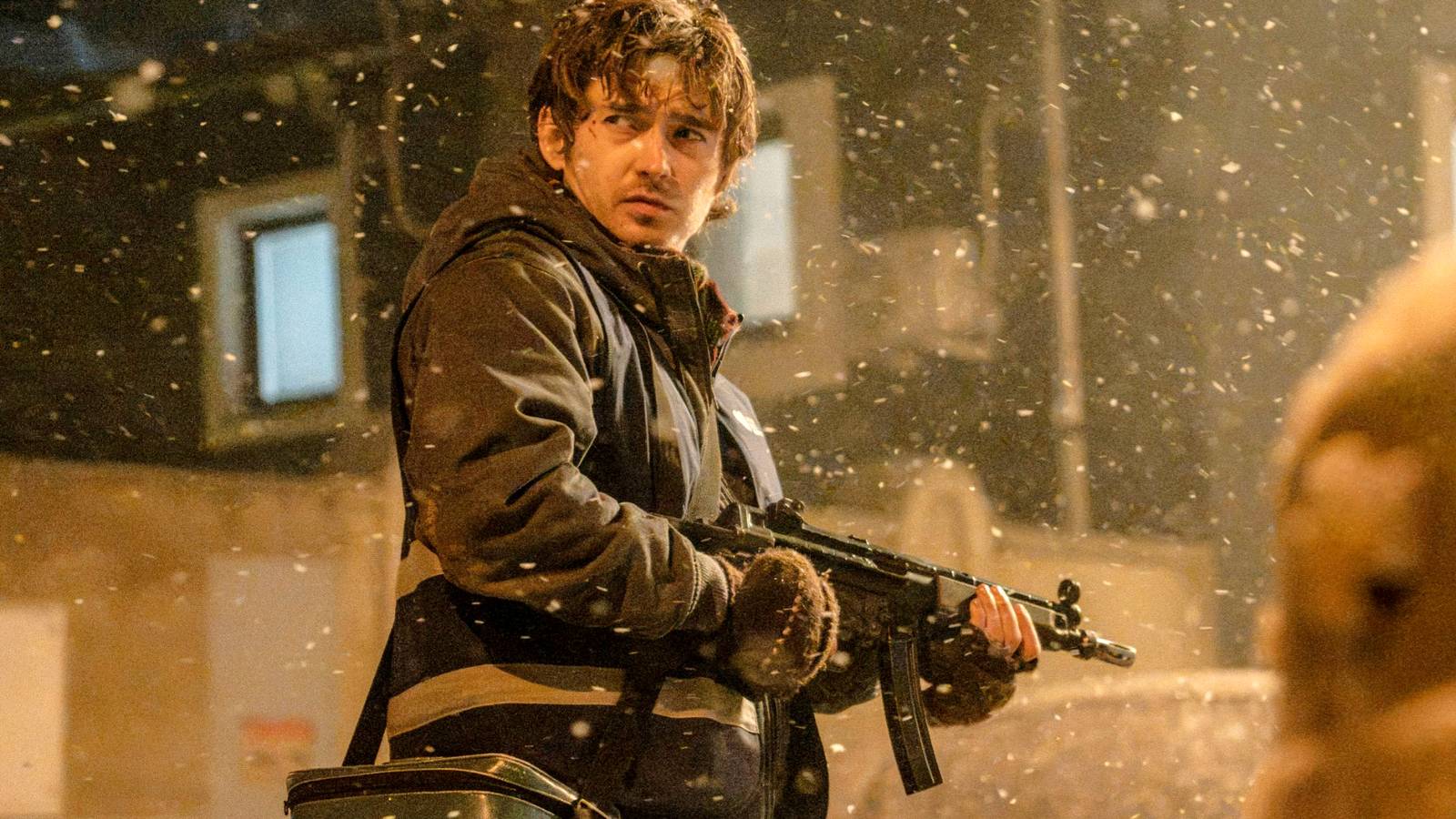
Published Sep 18, 2026, 3:20 PM EDT Brandon Zachary is a Lead Writer for Screen Rant's New Movie Team. He also writes or has written for Comicbook.com, CBR, That Hashtag Show, Just Watch, and TVBrittanyF. Brandon is an Emerging Screenwriters Semi-Finalist, co-writer of a Screencraft Quarter-Finalist, a seasoned on-screen interviewer, and a MASSIVE nerd. You can reach him at bs.zachary@gmail.com The following contains spoilers for Resident EvilResident Evil is a brutal and bleak movie with an ending to match, making its post-credits decision all the more fitting. Zach Cregger's follow-up to the Academy Award-winning Weapons, his adaptation of the iconic video game series, is notably a loose approach to the material that is much more focused on reimagining the mechanics and vibes of the game over plot and characters. The result is an original story about a medical courier named Bryan who finds himself trying to deliver something in the middle of a monstrous outbreak in Raccoon City. In many ways, the film's lean focus and lack of deliberate shout-outs to the games reinforce the idea that this isn't like most adaptations, with little concern about setting up spin-offs and sequels. This extends to the lack of a post-credits scene, which makes sense given the rest of the film around it. Resident Evil Skips Most Franchise Set-Up -- Including A Post-Credits Scene Resident Evil may be based on a major IP, but it doesn't do the usual thing these kinds of adaptations do to set up several potential sequels. That extends to the movie's decision not to have a post-credits scene, which would have likely teased out more of the world. For the most part, Resident Evil does away with many of the deep-cut references and direct allusions that one might expect from the film. While the movie is depicting the outbreak that doomed Raccoon City in the games, it never shows the adventures of Leon, Claire, or Jill. If those stories are happening, then it's all in the background and far away from Bryan. The film never really shifts away from the character and his own journey into the city, with no diversions to the other characters outside of their interactions with Bryan. That means that when the character finally succumbs to his infection, the story is more or less done. It's a bleak ending to be sure, but one that fits the overall structure of the film. A post-credits scene seems superfluous after the final scene, especially after Bryan is lost to the infection. While it could have teased what happened to the cure or teased other characters, it would have meant leaving Bryan. While there are easter eggs in the movie, many of them are reflective of specific game mechanics and series tropes. There was never a real reveal of the full scope of Umbrella, as opposed to the deluge of machinations the company is associated with in the games. A post-credits scene would have seriously shifted away from the rest of the film's primary focus and would have felt inconsistent with the movie. Does Resident Evil Set Up A Sequel? While there's plenty of other avenues that a sequel could take, it would likely be a more spiritual one than a direct follow-up. Bryan's fate doesn't leave much room to restore the character, especially once he fully gives in and morphs into his mutated form. Since the film was entirely about him, a sequel focused on him seems impossible now. It's possible that a sequel could shift focus to another survivor in Raccoon City or introduce Zach Cregger's version of the game characters. However, Cregger's reluctance to use the game characters in the first place inherently puts a damper on that idea. It's also consistent with his recent interviews, where he confirmed there are no plans at this time for a sequel. While that could change in the future, it's another good reason the film shouldn't have a post-credits scene. The movie would have felt like an unnecessary tease in that case, especially if it hinted at the larger lore of the franchise. A joke would have undercut the drama and horror of the finale, especially after Bryan's fate. Instead, the film has the confidence to end right where it needs to, showing Bryan's full tragic transformation in full without needing to undo the damage to his life and the lives of others. It's a grim way to an end a film for sure, but it's also a very effective way for Resident Evil to buck expectations and not be the IP-driven adaptation that some may have feared it would become. Resident Evil Release Date September 18, 2026 Runtime 90 Minutes Director Zach Cregger Writers Shay Hatten, Zach Cregger Cast
Resident Evil's Post-Credits Decision Is Consistent With The Film's Take On Adapting Big IP
Full Article
Original Source
Read the full article at Screenrant →KhanList aggregates and links to publicly available news content. We do not host full articles from third-party sources. Always verify important information with original sources.