
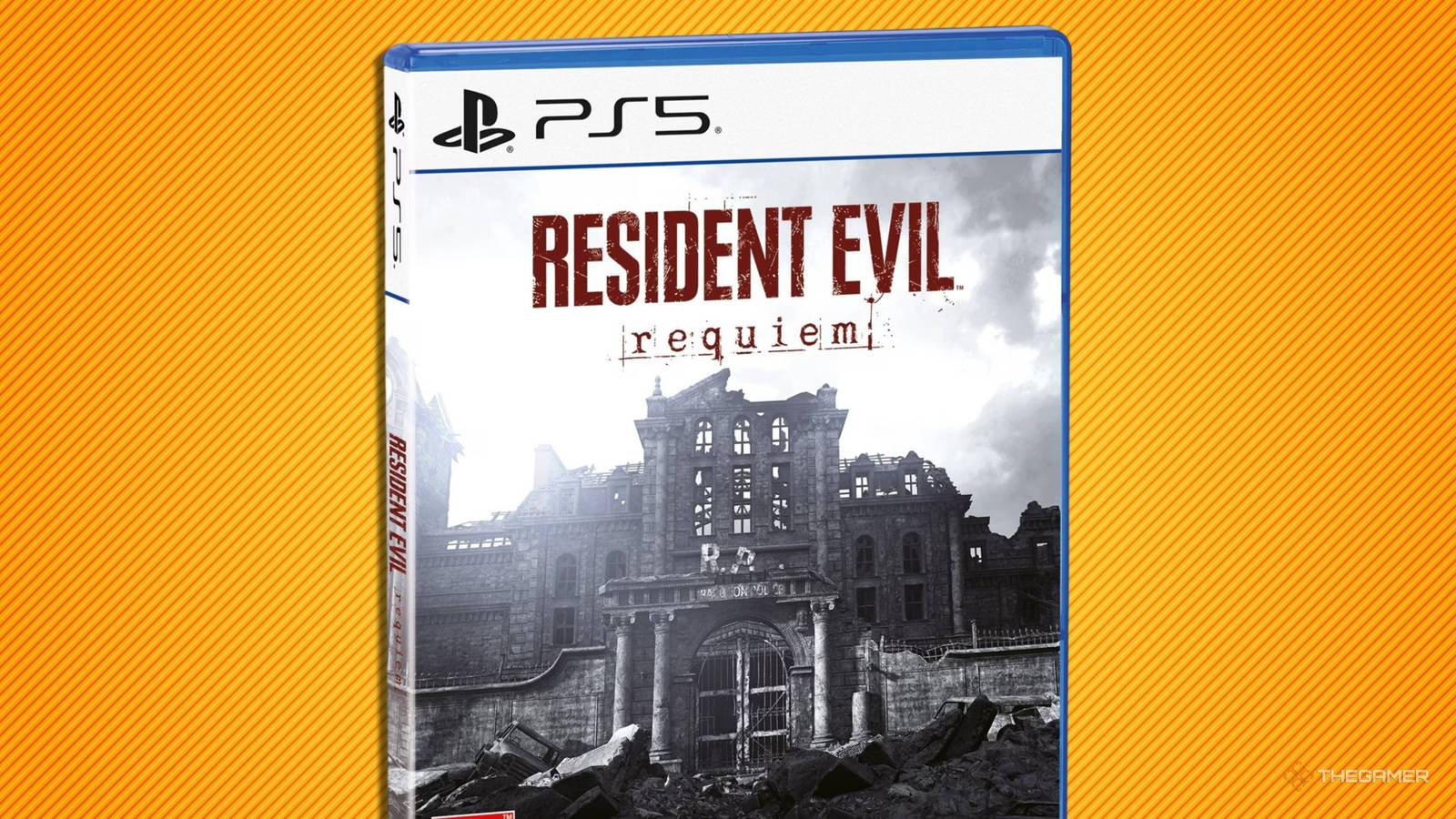
PlayStation Might Want To Check In On Resident Evil Requiem's Physical Sales Published Aug 13, 2026, 4:48 AM EDT Josh Coulson is an editor at TheGamer covering breaking news on everything from colorful platformers to the latest Lego sets. Primarily a news writer since 2018, Josh has covered just about every major game from the past decade. Now an editor, their focus has shifted to being the leading affiliate expert at the site, building relationships between TheGamer and global brands including Mattel, Funko, and The Pokemon Company. Physical games are being phased out faster than we thought they would after PlayStation confirmed that, starting in 2028, it will no longer put its games on discs. Nothing those upset with that decision have done or said has made PlayStation reconsider that decision yet, but a breakdown of Resident Evil Requiem’s physical and digital sales might have them wondering if they’ve been a little hasty. Just last week, Capcom became the poster child for why PlayStation might have made the right call after it revealed 90% of its “unit sales” are digital. However, a breakdown of how its biggest release of the past year, Resident Evil Requiem, sold physically vs. digitally in some of the world’s biggest markets paints a very different picture. US Sales Are One Piece Of A Much Bigger Puzzle The Game Business’s Chris Dring shared that, up until the end of June, just 22% of Requiem sales in the US were physical. However, in every other major market, that figure is doubled. In fact, in some cases, Requiem’s physical sales have been outperforming its digital ones. France is the market in which physical copies of Requiem have performed best, with 55% of French Resi fans who have picked up a copy choosing physical over digital. Japan’s breakdown might be the most telling, though. One of the biggest gaming markets in the world after the US, and a hotbed for Capcom and Resident Evil fans, 51% of people who bought Requiem in Japan opted for physical over digital. Although digital won out in the UK and Australia, those other sizable markets are far closer to France and Japan’s digital/physical split than the one in the US. 43% of Requiem sales were physical ones in Australia, and 40% in the UK. Requiem has sold at least seven million copies worldwide, and these global figures suggest at least two million of those copies were physical ones. Physical Copies Of Requiem Sold Out Almost Everywhere At Launch What seems to have already been forgotten is how difficult it was to find a physical copy of Requiem anywhere shortly after its release. They sold out at most major retailers the world over. Some chalked that up to Capcom simply producing fewer of them. These numbers suggest that wasn’t the case at all, and that there really was an overwhelming demand from people who still prefer to buy and own physical copies of new games. It remains unclear what it will take to make PlayStation change its mind, if that’s even possible. It has already started to repurpose the factories it uses to manufacture discs, and a disclaimer has been spotted on PS5 packaging warning customers of its plans for 2028. Even these Requiem figures might not be enough. Not just because, like most studios, Capcom is more concerned with the US market than anywhere else, but because PlayStation will continue to assume all those physical sales will translate to digital ones once it forces everyone’s hand in 2028. I’m not sure it will be that cut and dry, but it’s becoming more and more apparent that PlayStation doesn’t seem to care. Released February 27, 2026 ESRB Mature 17+ / Intense Violence, Blood and Gore, Strong Language, In-Game Purchases Developer(s) Capcom Publisher(s) Capcom Engine RE Engine Genre(s) Survival Horror, Action, Adventure, Shooter
Resident Evil Requiuem Physical Sales Outselling Digital In Major Markets
Full Article
Original Source
Read the full article at Thegamer →KhanList aggregates and links to publicly available news content. We do not host full articles from third-party sources. Always verify important information with original sources.