
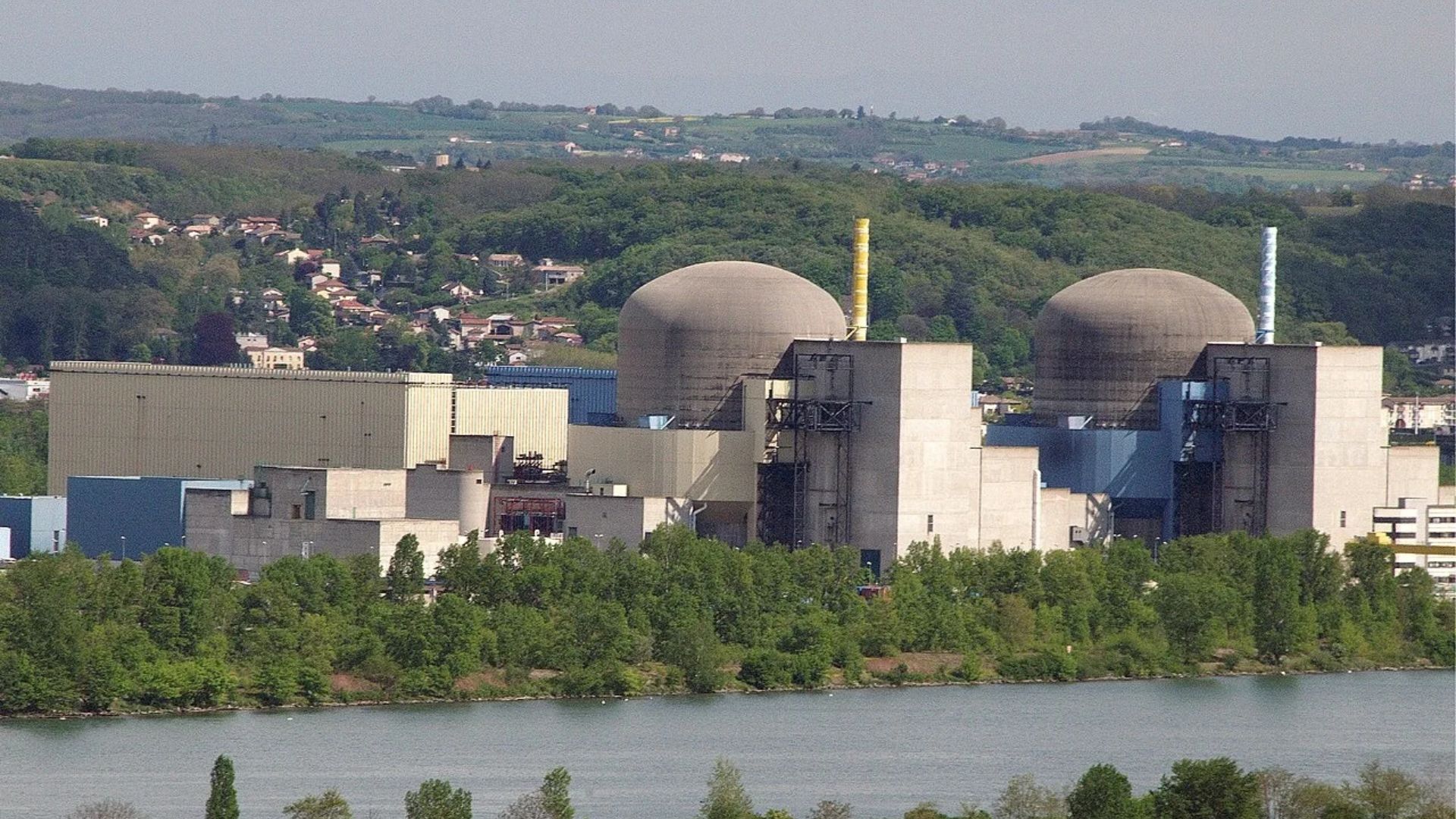
Key TakeawaysRegulators from 38 countries warn that Russian strikes raise Ukraine’s nuclear risk this winter.A nationwide blackout could disrupt cooling at all nine of Ukraine’s operating reactors.Zaporizhzhia has lost off-site power 27 times, forcing it to use emergency diesel generators. Nuclear safety regulators from 38 countries warned on November 16 that Ukraine faces a growing risk of a nuclear accident this winter as Russia intensifies attacks on the country’s power infrastructure. The regulators urged Moscow to halt strikes on nuclear facilities and the infrastructure that supplies them with electricity. Their concern is that widespread outages could leave nuclear plants without a stable electricity supply to cool their fuel. Per Strand, who leads two of the three regulatory groups behind the warning, told Reuters that a nationwide blackout could affect all nine of Ukraine’s operating nuclear reactors at once. The worst case Russian drone and missile strikes have hit power plants, transmission lines and substations, adding strain to a grid already weakened by nearly five years of war. On Saturday, the International Atomic Energy Agency (IAEA) said military activity had destabilized the grid over the previous week, forcing some operating reactors to reduce output. Three of Ukraine’s four nuclear plants are still generating electricity and account for about 80 percent of the power the country uses this winter. Those plants also depend on a reliable supply of electricity to keep their fuel cool. That need continues after a reactor shuts down because its fuel still gives off heat. Strand told Reuters that recent attacks had become more dangerous as Russia deployed drones with larger payloads and greater targeting precision. He said a blackout affecting all nine reactors at once would be the most serious scenario. “Nine reactors at the same time with the potential of (radioactive) releases would be quite a severe situation,” he said. The unwanted record The Zaporizhzhia nuclear power plant, Europe’s largest, remains under Russian control near the front line. Its reactors are shut down, but the site still draws electricity from Ukraine’s grid to run cooling equipment and other safety systems. The IAEA said the plant had lost all off-site power 27 times since the war began. Each outage forced it to switch to emergency diesel generators. Since late March, the plant has relied on a single off-site power line, the agency said. Russia and Ukraine have accused each other of striking the facility and cutting the lines that supply it with electricity. Ending the strikes The warning came from the Heads of the European Radiological Protection Competent Authorities, the Western European Nuclear Regulators Association and the Heads of the Nordic Radiation Safety Authorities. Together, they represent all European Union members as well as countries including the United States, Britain, Canada, and Japan. The groups called for an end to attacks on both nuclear facilities and the energy infrastructure needed to operate them safely. Strand said diplomatic pressure on Russia could still help avert the worst-case scenario. If the attacks continue, he said, European countries should coordinate their emergency planning for a possible release of radioactive material. The 1986 Chornobyl disaster showed how far such contamination can travel. Radioactive material spread across parts of Ukraine, Belarus, and Russia and reached northern and central Europe.Get the latest in engineering, tech, space & science - delivered daily to your inbox.Atharva is a full-time content writer with a post-graduate degree in media & amp; entertainment and a graduate degree in electronics & telecommunications. He has written in the sports and technology domains respectively. In his leisure time, Atharva loves learning about digital marketing and watching soccer matches. His main goal behind joining Interesting Engineering is to learn more about how the recent technological advancements are helping human beings on both societal and individual levels in their daily lives.
Regulators from 38 countries warn of rising nuclear accident risk in Ukraine
Full Article
Original Source
Read the full article at Interestingengineering →KhanList aggregates and links to publicly available news content. We do not host full articles from third-party sources. Always verify important information with original sources.