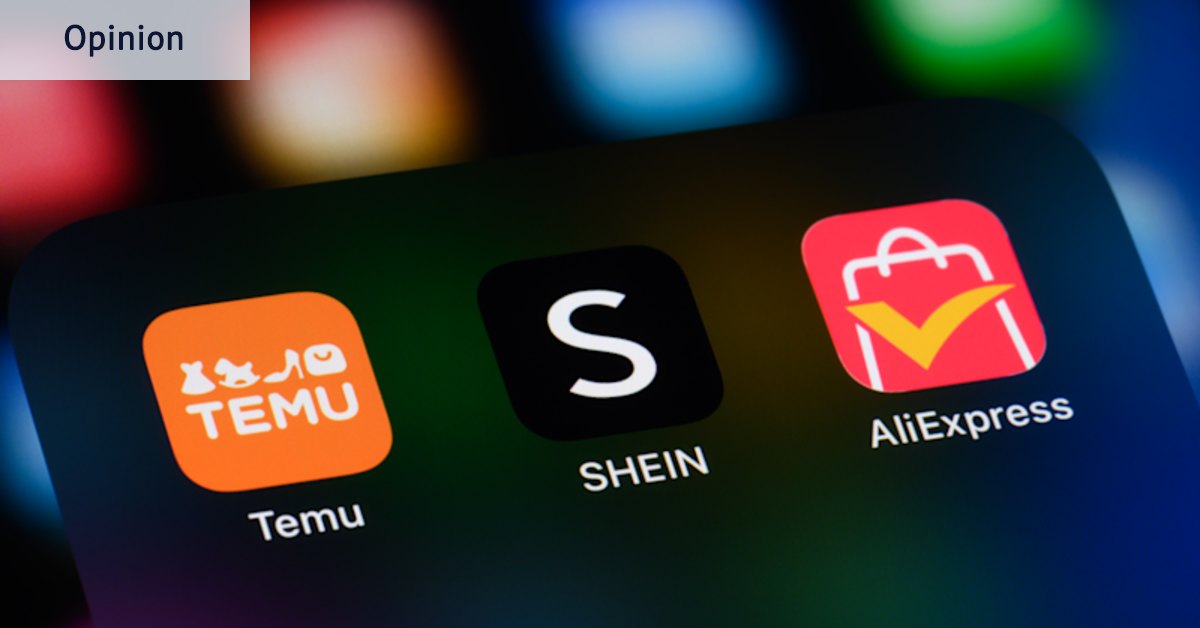
OpinionBusiness columnistJuly 21, 2026 — 3:51pmPolicing the products sold via online marketplace giants such as Chinese companies AliExpress, Temu and Shein has become a game of whack-a-mole for consumer regulators around the world.The discounting sites hold an allure for shoppers who can ignore or overlook the risks of shopping on what can be equivalent to Wild West retail forums and pile into go-to categories from branded counterfeit apparel to dangerous toys and unsafe cosmetics.Surging Chinese shopping apps are in regulators’ sights.Getty ImagesThe European Commission has just slapped its largest ever fine on Chinese marketplace AliExpress for allowing the sale of dangerous, counterfeit and illegal goods on its site, and issued a stinging rebuke of its failure to police the products sitting on its digital shelves.The almost $900 million impost is being appealed by AliExpress on the grounds it is disproportionately large and failed to reflect the ‘established framework and the significant, proactive enhancements’ the company says it has made.That said, the fine represents only 1 per cent of the company’s sales. So it feels like a long way from a meaningful deterrent.It follows from the European Commission’s use of the Digital Services Act to fine Temu $325 million earlier this year for “failing to properly assess the systemic risks posed by illegal and unsafe products” being sold to consumers across the European Union.It also imposed a near $200 million fine in November on Elon Musk’s X for transparency violations involving the deceptive design of its ‘blue checkmark’ account verification system.Meanwhile, both Temu and Shine felt the glare of the spotlight last year after child sex abuse dolls and disembodied heads sold by third parties were included on their websites – and which items came to the attention of European and Australian authorities and were subsequently removed.According to Australia’s consumer group Choice, the volume of unsafe products coming into Australia through online marketplaces such as Amazon, eBay, AliExpress, Shein and Temu is probably running into millions of items a year. It reckons there are no effective gatekeepers in place to stop them.In the European Commission’s action against AliExpress, the regulator focused on the e-commerce platform whose under-resourcing around compliance allowed malicious traders to circumvent the rules and that its internal risk assessments failed. The company’s detection systems didn’t work properly and even products that had been flagged as illegal stayed online for weeks after they should have been removed.Previous investigations by the EU of a sample of products sold on large retail platforms including Shein reportedly found 65 per cent of cosmetics, 63 per cent of food supplements and 60 per cent of personal protection equipment, such as hard hats and steel toecap boots for building sites, were non-compliant.The focus on these large ecommerce sellers represents a new front for attack by the European Commission, which has previously focused its Digital Services Act on the large digital social media platforms like X and Meta – the latter having been accused of designing Facebook and Instagram to be addictive and failing to assess its potential for mental harm.Even though regulators will win some battles, winning the war remains a far larger challenge.Choice research shows that products that may have been banned outright in Australia – such as novelty lighters, novelty cigarettes, sky lanterns and tongue studs – can still be found on Amazon, AliExpress, eBay and Shein. It says many such products appear to be designed to appeal to small children.Whack-a-mole indeed.The Business Briefing newsletter delivers major stories, exclusive coverage and expert opinion. Sign up to get it every weekday morning.From our partners
Regulators are playing whack-a-mole with dangerous goods on huge shopping apps
Full Article
Original Source
Read the full article at Smh →KhanList aggregates and links to publicly available news content. We do not host full articles from third-party sources. Always verify important information with original sources.