
Published Aug 20, 2026, 1:00 PM EDT Jack comes to Simple Flying with a lifelong interest in all things aviation. He holds a degree in Aerospace Engineering from Georgia Tech, and is a certified private and remote pilot. Beyond these experiences, Jack previously worked for a corporate flight department where he gained first-hand experience in the world of business aviation. Currently, Jack works in the professional services industry and continues to build his flight hours outside of work. A first-year regional airline first officer in the United States can now earn around $90 to $110 for each flight hour under a contract. On the other end, a senior widebody captain at a major airline can earn more than $465 for the same hour of work. The difference is striking, but the path between those figures is not a simple series of annual raises. Pilot compensation changes sharply when a pilot upgrades to captain, moves from a regional airline to a major carrier, changes aircraft categories, and accrues seniority. The progression is also unusually dependent on timing. A pilot may spend years building experience before becoming eligible for an airline cockpit, then reach a regional captain position in roughly two years, only to take a temporary pay step backward when moving to a major airline as a new first officer. From there, seniority and aircraft assignments can transform the economics again. By the time a pilot reaches a senior widebody captain position, the hourly rate can approach five times the starting regional figure. The Starting Point Is Far Higher Than It Used To Be Credit: Shutterstock The first stage of the modern airline career begins at the regional level, where compensation has changed dramatically over the past several years. In 2026, SkyWest Airlines lists a first-year first officer rate of $92.73 per flight hour, while Endeavor Air lists $105.08. Other regional carriers generally cluster around the $95 to $105 range. Both SkyWest and Endeavor guarantee 75 hours per month after initial operating experience. That puts contractual base earnings near $83,000 to $95,000 before additional flying, per diem, bonuses, or other compensation. Those figures represent a dramatic change from the economics faced by pilots in previous decades. Regional first officers once entered the industry with salaries that could fall well below $40,000 annually, creating a difficult financial period as pilots accumulated the experience needed for a move to a larger airline. The improvement accelerated as regional carriers struggled to retain qualified crews and major airlines competed for experienced pilots. The increase is not merely a matter of airlines voluntarily raising wages. Regional carriers depend on pilots progressing through the industry, so retaining enough experienced crews has become an operational necessity. SkyWest's current published scale illustrates how the compensation structure rises after entry, with first officer rates increasing from $92.73 in the first year to $98.08 by the third year. That makes the regional cockpit less of a low-paid destination than it once was, but its most consequential financial step still comes when the pilot moves into the left seat. Regional First-Year First Officer Pilot Pay Airline Hourly Pay SkyWest $92.73 Endeavor $105.08 Republic Airways $92.73 Envoy Air $99.00 PSA Airlines $102.00 Captain Upgrade Creates The First Major Jump Credit: PSA Airlines Regional first officers generally have a relatively short path to becoming captains compared with the timelines at major airlines. Depending on staffing, seniority, fleet requirements, and the pilot's individual circumstances, an upgrade can occur after roughly 18 to 24 months. The financial impact is substantial because the pilot moves from an entry-level first officer scale to a much higher captain scale without necessarily changing employers. SkyWest's published figures show the difference clearly. Its captain rate begins at $144.24 per flight hour in the first year and reaches $153.91 in the third year. At 12 years, the published rate is $197.92, while the 20-year figure reaches $222.54. These rates demonstrate why the regional captain position can become financially attractive surprisingly quickly. The upgrade also gives pilots something more valuable than the immediate pay increase: command experience. Becoming a captain provides pilot-in-command (PIC) experience that strengthens a future application to a major airline, where hiring standards can be considerably more demanding than the minimum regulatory threshold. SkyWest Pilot Pay Scale Years of Experience Captain First Officer 1 $144.24/hour $92.73/hour 3 $153.91/hour $98.08/hour 12 $197.92/hour 20 $222.54/hour This then raises a common decision point for regional pilots. Remaining at a regional carrier longer can produce a higher paycheck in the short term, particularly after a captain upgrade. On the other hand, moving to a major airline sooner may mean accepting a lower first officer rate, but it places the pilot in a seniority system with dramatically greater long-term earning potential. The correct decision depends heavily on how quickly the pilot can progress after making that transition. Moving To A Major Can Temporarily Lower The Paycheck Credit: Shutterstock The next step is where the salary curve becomes counterintuitive. A pilot who leaves a senior regional captain position for a major airline does not carry that seniority across with them; the pilot starts near the bottom of the new company's seniority list, usually as a first officer. Consequently, a move that represents a major career advancement can initially produce a lower hourly wage. American Airlines provides a useful illustration. A new narrowbody first officer can earn around $118 per flight hour under the published major airline scales. That figure is below what a highly experienced regional captain can earn, yet the position offers access to a much steeper progression as seniority accumulates. This is why seniority is arguably the most important financial variable in an airline pilot's career: pay is not determined solely by experience. Two pilots with similar total flight time can earn dramatically different amounts because one has spent more years at a major airline or holds a more valuable aircraft position. Additionally, major airline contracts generally establish different rates for narrowbody and widebody equipment, with widebody flying commanding higher compensation. A pilot who remains a first officer can therefore experience substantial increases as seniority advances, while a pilot who eventually upgrades to captain can move onto an entirely different section of the pay scale. The temporary pay reduction after joining a major is therefore better understood as the cost of entering a more valuable seniority system. The pilot is sacrificing immediate earnings in exchange for access to a much higher ceiling. Narrowbody Captain Is Where The Curve Bends Upward Credit: Shutterstock Once a pilot reaches a major airline captain position, compensation begins accelerating much more rapidly. A first-year narrowbody captain at a major carrier can earn roughly $300 or more per flight hour, with American's published rates placing the figure around $320. Other major airline contracts put Boeing 737 captain rates in the high $300s or above $400 depending on aircraft, carrier, and seniority. Major airline contracts reward seniority through scheduled increases, while aircraft-specific rates create another mechanism for compensation to rise. A pilot flying a narrowbody aircraft at a senior position can therefore earn substantially more than a new first officer even though both work for the same company. The structure also explains why pilots carefully consider aircraft bids. A desirable fleet type may provide higher hourly compensation, but the pilot may need sufficient seniority to hold that assignment. Conversely, a pilot who can hold a captain position on one aircraft may earn more than a more senior first officer who remains in a different category. This is where the difference between an hourly rate and annual compensation becomes especially important. Airline pilots are not normally paid according to a conventional 40-hour workweek. Their contractual pay is based on credited flight or trip hours, monthly guarantees, and additional provisions. Consequently, multiplying an hourly rate by ordinary working hours can produce a misleading estimate of actual income. Nevertheless, the hourly figure remains useful because it shows how the value of a pilot's seniority and equipment assignment changes over the course of a career. Widebody Captains Create The Highest Pay Tier Credit: Shutterstock The final transformation occurs when a pilot reaches a senior widebody position. A 12-year widebody first officer rate can reach approximately $315, while a 12-year captain on aircraft such as the Boeing 777, Boeing 787, Airbus A350, or comparable widebody equipment can approach or exceed $465 per flight hour, depending on the carrier and contract year. Delta Air Lines, for example, lists a 12-year Airbus A350 captain rate of $483.74 per hour. Delta A350 Pilot Pay Scale (Abbreviated) Years of Experience Captain First Officer 1 $443.85/hour $125.52/hour 5 $458.40/hour $293.79/hour 10 $476.47/hour $324.52/hour 12+ $483.74/hour $330.44/hour At a 900-hour annual guarantee, an hourly rate in the $455 to $465 range translates into roughly $410,000 to $419,000 in base compensation. Actual earnings can be considerably higher when overtime, additional flying, profit sharing, and retirement contributions are included. Some major airline contracts also provide substantial employer retirement contributions, meaning the value of the position cannot be judged solely by the figure printed beside the hourly rate. The contrast with the beginning of the career is therefore enormous. A pilot can progress from approximately $90 per flight hour as a regional first officer to more than $465 as a senior widebody captain, although reaching the top of the scale can take many years and depends on hiring cycles, fleet growth, upgrades, and seniority movement. Most airline pilots operating under Part 121 must hold an Airline Transport Pilot (ATP) certificate, and the FAA states that virtually all new applicants require at least 1,500 hours of flight experience, subject to restricted ATP pathways and other qualifications. All of this to say, it is a long road, but the earning potential is high. A Lucrative Grind Credit: Shutterstock | Simple Flying The hourly pilot pay jump from $90 to $465 per hour is the cumulative effect of entering the regionals, upgrading to captain, changing employers, building major airline seniority, moving into higher-paying aircraft, and eventually reaching the top of a widebody captain scale. That progression also explains why airline pilot compensation can look confusing from the outside. A regional captain may temporarily earn more than a newly hired major airline first officer, even though the latter has entered the more lucrative career track. Over time, however, seniority at a major carrier can unlock compensation levels that regional operations generally cannot match. The economics have changed substantially from the era when regional pilots entered the profession on salaries barely above $25,000 or $40,000. Today's entry rates can approach six figures before additional compensation, while the highest major airline positions can produce well over $400,000 in base pay. The path remains long and highly competitive, but the salary curve illustrates why seniority, aircraft type, and timing a move to the majors are among the most consequential decisions a US airline pilot will make.
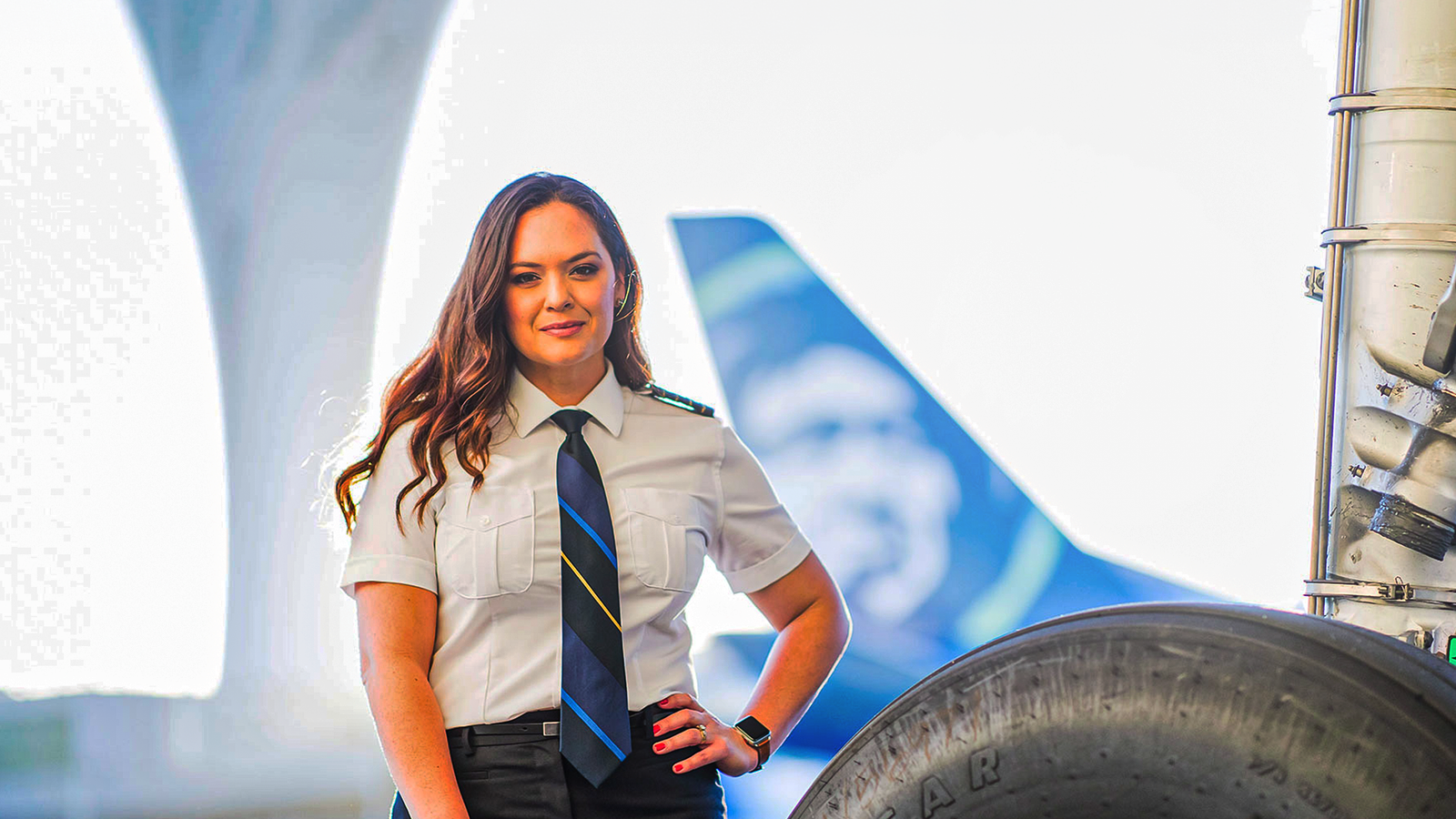
Regional To Widebody: How US Pilot Pay Climbs From $90 To $465 An Hour
Full Article
Original Source
Read the full article at Simpleflying →KhanList aggregates and links to publicly available news content. We do not host full articles from third-party sources. Always verify important information with original sources.