Freedom of speech is a product of confidence. It is embraced by confident cultures, confident institutions and confident people. This helps explain why Reform UK has turned against it so aggressively: because it is a shallow, fragile thing, without intellectual substance, or temperate personalities, or institutional substance. Yesterday, Reform suspended former Conservative pundit Tim Montgomerie from its ranks, citing a rule against those who are a “public critic of the party”. Even the wording sounds Stalinesque, about two steps away from branding him an “enemy of the people”. Reform has never looked more fragile and insecure, the intellectual equivalent of one of the curled brown leaves now falling from the trees, wafting away in the late summer breeze. Ideologically, Montgomerie is a true friend of Reform. Even when he served as a Conservative adviser to prime minister Boris Johnson, he pushed British politics towards the sort of extreme right-wing propositions which Reform now eagerly promotes. He praised Hungary’s Viktor Orban, for instance, despite his anti-Muslim hatred, authoritarianism and allegations of corruption that have surrounded his party. Montgomerie is a firm advocate of Reform’s virulent anti-immigrant agenda. But temperamentally, Montgomerie is quite different beast. He is polite, courteous and gently-spoken. He sounds completely different from the angry, borderline unhinged, utterances you increasingly get from Reform figures like Zia Yusuf and Richard Tice. Instead, he speaks softly, concedes points to the other side, and deploys independent judgement. This approach ensures that he is often invited onto TV debates. He’s sat on the BBC Newsnight sofa so often it is practically moulded to his body. If you were a confident hard-right figure, you would quickly recognise how appealing Montgomerie is to your movement. It is precisely the fact that he has an independent mind which makes him more credible. It is specifically his good manners which help conceal the hardline ideological character of the anti-liberal movement. But needless to say, Farage and his henchmen are not confident hard-right figures. They are hopelessly thin-skinned and intellectually vacuous. So instead these exact attributes are taken as signs of Montgomerie’s thoughtcrime. In recent months, Montgomerie became increasingly alarmed at his new party’s behaviour. His relationship with Yusuf evidently collapsed. “A lot of people are on not-speaking terms with Zia and it’s nearly always Zia who initiates it,” he told The Spectator podcast. “It needs to end. You cannot behave like a child in politics.” When Yusuf branded former serviceman and defence secretary Ben Wallace a “traitor”, Montgomerie attacked him on social media. “Zia’s language and attitude towards any opponent is inappropriate and counter-productive,” he said. One of the biggest question marks over Farage’s leadership was whether he could “bring Zia under control”. Farage himself also fell under Montgomerie’s eye. Unlike other Reform commentators, who have tried to present the allegations over the leader’s financial arrangements as some kind of establishment stitch-up, Montgomerie accepted the validity and importance of the story. “He cannot hide away from this issue,” he told BBC Breakfast. “People do not normally get a £5mn gift.” This extended to the pitiful sight of Farage avoiding his own victory count at the Clacton by-election. “This recently far too dominant aggrieved tone is still with us,” he said. “It’s not good. You don’t skip your own victory count without a much better explanation.” Every other Reform figure, like Lee Anderson or Robert Jenrick, spent their time on television barking insults at the interviewer and outlining an imaginary conspiracy. It might have worked for the rank-and-file, but it alienated the more moderate right-wing voters the party needed to get onside. Montgomerie was perhaps the last of Reform who still cut a compelling figure on television. From an opponent’s point of view, he was deadly. By showing he thought autonomously, he countered the idea that Reform was Farage’s one-man band. By showing politeness, he helped conceal the vicious reality of the party’s policy on immigration. By appearing good-humoured, he undercut the conspiratorial lunacy of the party’s communication strategy. So it’s just as well really that Farage ditched him. Montgomerie has pledged to fight for his place in the party, but it’s not clear that he can succeed, because ultimately those concerns about Reform are accurate. It is a one-man band. It is extreme and ideological, with the kind of personalities you usually find in that type of organisation. Take, for instance, Farage’s position as leader. Once upon a time, he simply owned Reform outright, as his own personal business. Now things have marginally improved, but his iron rule can be seen all over the party’s leadership procedures. To launch a challenge against him, 50 per cent of all members would need to write a letter to the party chairman requesting a vote. That’s around 130,000 people – basically impossible. You can also trigger a leader challenge with 50 per cent of MPs, but only if there are over 100 Reform members of parliament. The party currently sits well below that threshold. The party structure reflects Farage’s internal power. Under its constitution, just three members of the board are elected, with the others made up of the leader, the chairman, and other figures selected by the chairman. This is how insecure people arrange an organisation: by making challenges to their leadership next-to impossible and asserting their dominance over its decision-making body. It never works. This type of figure always fails in the end. They lack the self-confidence and the intellectual weight to succeed. You can see why when you look at the Montgomerie case. He was one of their greatest media assets. And it is precisely because of these qualities that they suspended him. Only confident people truly support free speech. And Reform has no real confidence at all, just the shivering paranoia of the terminally vacuous.
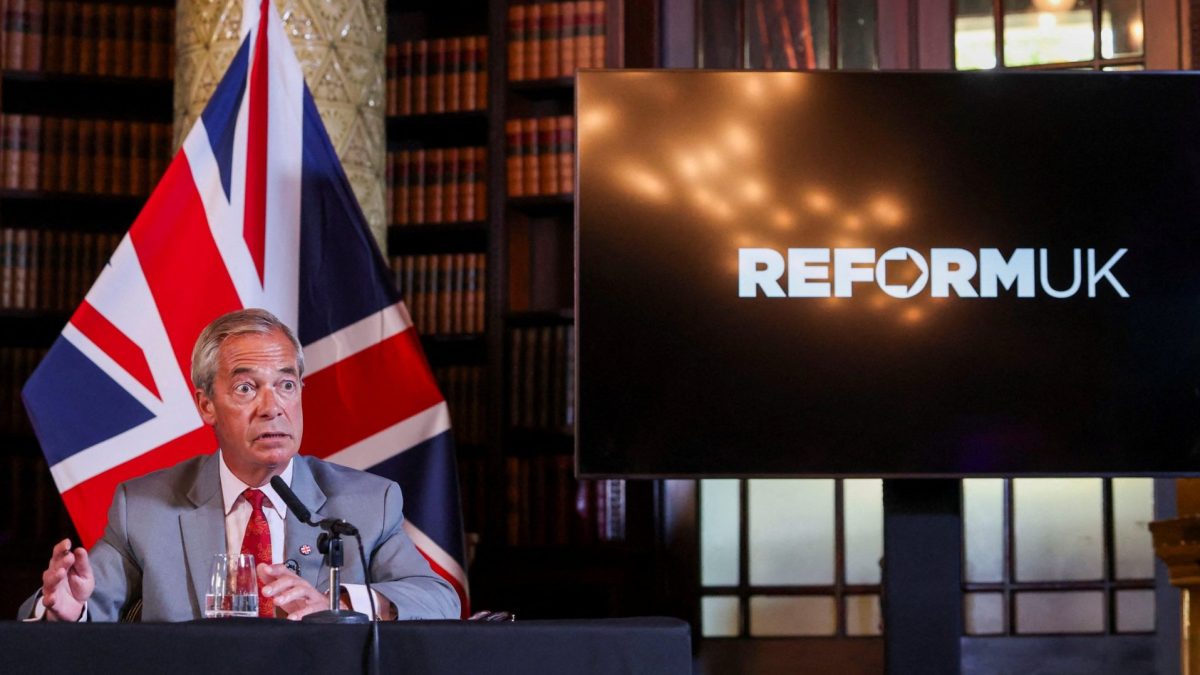
Reform’s shattered confidence is behind its latest act of self harm
Full Article
Original Source
Read the full article at Inews →KhanList aggregates and links to publicly available news content. We do not host full articles from third-party sources. Always verify important information with original sources.