
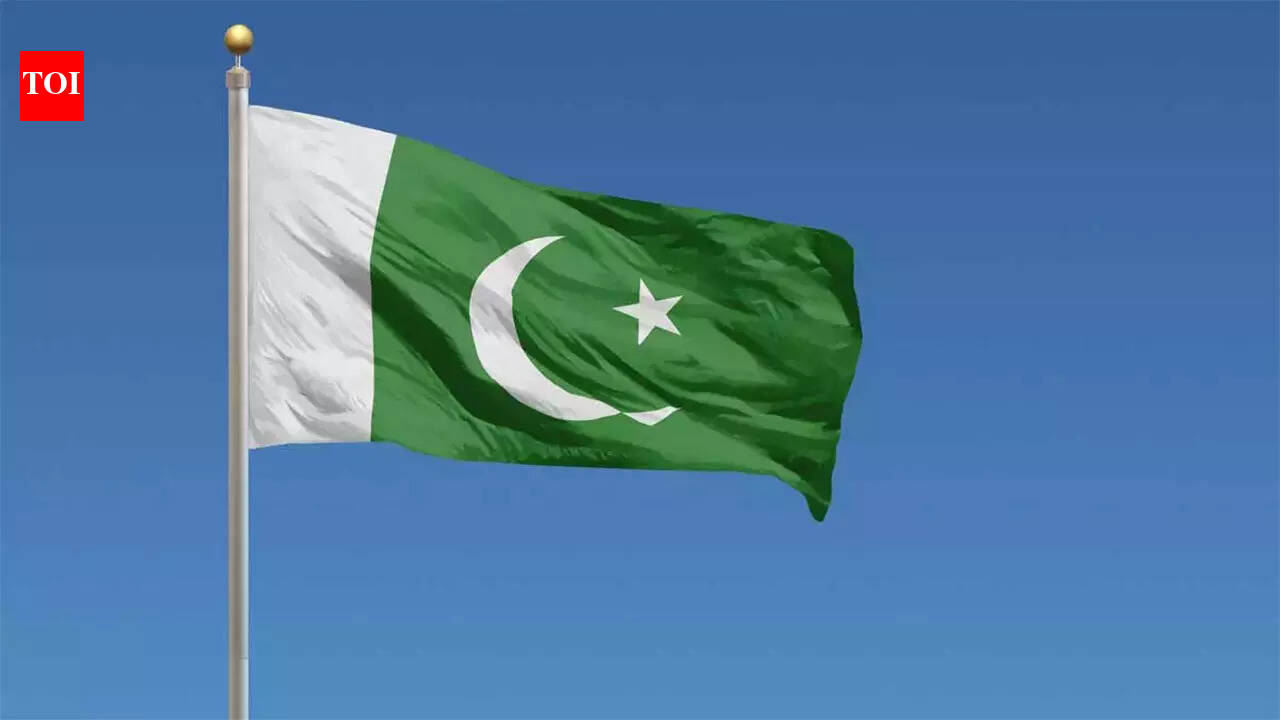
Pakistan's 12-province proposal gains momentum as senior ministers back restructuring (Representative Image)Pakistan's proposal to expand its four-province structure to as many as 12 has gathered momentum, with senior ministers backing it in the name of better governance. But the idea faces a major political hurdle: there is no consensus among the country's leading parties, particularly over the possible division of Sindh.Pakistan’s defence minister Khawaja Asif has argued that Pakistan's growing population requires smaller provinces that can deliver public services more efficiently. Speaking to Geo News, he said the country could consider creating 12 provinces, provided the boundaries were drawn on administrative rather than linguistic, ethnic or political grounds.“If there is a proposal for 12 provinces, then make it 12,” Asif said, adding that new units should not be created to serve “language, ethnicity or political interests”.Pakistan’s interior Minister Mohsin Naqvi has also revived the debate, suggesting a referendum to gauge public opinion on the contentious issue. His remarks have fuelled speculation that powerful quarters favour a broader restructuring of Pakistan's administrative map, with reports pointing to a possible constitutional exercise in 2027.No formal roadmap, however, has been announced. The proposed number of provinces, their boundaries and the process for creating them remain undecided.What the proposed 12-province map could look likeOne proposal reported in Pakistani media envisages dividing Punjab into four provinces, Khyber Pakhtunkhwa and Balochistan into three each, and Sindh into two. The plan could involve a nationwide referendum and a possible 28th Constitutional Amendment, although neither has been confirmed as an approved government initiative.Supporters argue that the existing arrangement concentrates too much administrative and financial authority in provincial capitals leaving smaller cities and districts dependent on decisions taken far away.Asif has questioned whether federal funds transferred to provincial governments are reaching local institutions, arguing that decentralisation could bring decision-making and resources closer to communities. Advocates of the proposal say smaller provinces would make public services more accessible and help address uneven development.But the debate is not only about the size of administrative units. It also raises questions about whether creating more provinces would improve governance without stronger local governments and greater financial autonomy for districts.Political consensus remains the biggest hurdleThe proposal has exposed differences within the ruling coalition itself. The Pakistan Peoples Party (PPP), led by Bilawal Bhutto-Zardari, has firmly opposed any division of Sindh, while the Pakistan Muslim League-Nawaz (PML-N) has yet to settle on a formal position.The two parties are coalition partners in the federal government. The PML-N has said it will announce its position if the matter comes before Parliament, despite some of its leaders backing the creation of smaller provinces.A cabinet member in the Shehbaz Sharif government said reaching agreement would be difficult without the support of the major political parties.The issue has also prompted speculation about a possible understanding between the government and the main opposition, Pakistan Tehreek-e-Insaf (PTI). PML-N leader and former federal minister Khawaja Saad Rafique has suggested that the establishment could offer relief to jailed former prime minister Imran Khan in return for PTI's support for the proposed constitutional changes. There has been no confirmation of such a deal.Smaller parties have also entered the debate. The Muttahida Qaumi Movement-Pakistan (MQM-P) has renewed its demand for new administrative units in Sindh, while Pakistan Muslim League-Quaid chief Chaudhry Shujaat Hussain has called for new provinces to be considered through consultation and in the national interest.The Istehkam-e-Pakistan Party has backed the proposal on administrative grounds, while Jamaat-i-Islami has argued that the creation of new provinces should go hand in hand with strengthening local governments.What the Constitution requiresEven if political parties agree on the broad idea, redrawing provincial boundaries would require a demanding constitutional process.Under Article 239 of Pakistan's Constitution, an amendment requires the support of at least two-thirds of the total membership of both houses of Parliament. If it changes the limits of an existing province, it must also secure the backing of at least two-thirds of the total membership of that province's assembly.That gives provincial parties considerable leverage over any proposed division.A nationwide referendum is not an automatic constitutional requirement for creating provinces. Any such exercise would need its own legal and constitutional basis, and Parliament could not simply be bypassed in deciding the process or framing the questions put to voters.Following a meeting between Pakistan’s president Asif Ali Zardari and prime minister Shehbaz Sharif on Saturday, a senior government official told news agency PTI that the two leaders had agreed to adhere strictly to the constitutional provisions governing the creation of new provinces. They also agreed that any proposed referendum would require parliamentary approval.Former federal information minister Muhammad Ali Durrani has meanwhile launched a campaign for the restoration of Bahawalpur province and the creation of 11 other smaller administrative units.For now, the proposal remains a subject of political debate rather than an agreed government plan. Any move to redraw the map would require agreement on boundaries, resources, parliamentary representation and the future of provincial institutions — as well as the constitutional numbers to make it happen.
Redrawing Pak: Ministers back 12-province plan but pol, constitutional hurdles remain
Full Article
Original Source
Read the full article at Timesofindia →KhanList aggregates and links to publicly available news content. We do not host full articles from third-party sources. Always verify important information with original sources.