
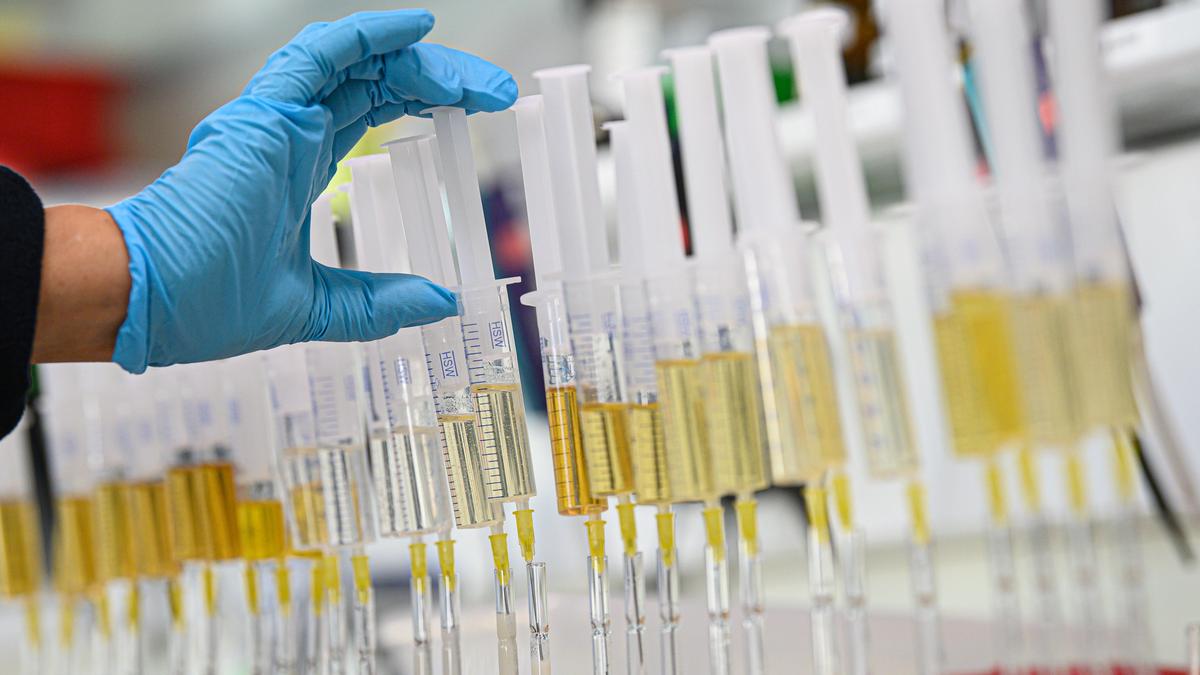
A urine culture and sensitivity (C&S) testidentifies the specific bacteria or yeast causing a urinary tract infection (UTI) and shows which antibiotics can effectively treat drug-resistant strains |Image used for representational purpose only | Photo Credit: Getty Images The burning sensation while urinating, the constant urge to use the toilet and discomfort in the lower abdomen can make a urinary tract infection (UTI) difficult to ignore. While most infections clear up with antibiotics, some keep returning or become harder to treat.A UTI is considered recurrent when a person has two or more infections within six months or three or more in a year. The term ‘chronic UTI’ is sometimes used when symptoms persist or keep returning, although there is no universally accepted definition. Persistent symptoms do not always mean an active bacterial infection. Drug-resistant UTIs, meanwhile, occur when the bacteria causing the infection are resistant to one or more antibiotics. A 2026 multicentre study of 6,009 urine specimens found that, among 448 E. coli isolates, 64.5% were multidrug-resistant. The Indian Council of Medical Research’s 2025 surveillance report found urinary E. coli susceptibility was only 14.5% to ciprofloxacin, a second-generation antibiotic. Published - November 27, 2026 06:30 am IST
Recurring and drug-resistant UTIs: why some infections are difficult to treat
Full Article
Original Source
Read the full article at Thehindu →KhanList aggregates and links to publicly available news content. We do not host full articles from third-party sources. Always verify important information with original sources.