
Businesses must balance rising costs against the dwindling purchasing power and growing frustration of cash-strapped consumers A study by Organic Intelligence indicates that consumers prefer brands to implement price freezes to build loyalty amid rising costs, with 27% supporting this measure. The Philippines is facing significant economic challenges, including high inflation at 7.2% and a balance of payments deficit, which are straining consumer purchasing power. Businesses are navigating these pressures differently, with import-dependent companies facing higher costs while exporters may benefit from the exchange rate, highlighting the complex economic landscape. This is AI-generated. Read the article for full context. Report any errors. What can businesses do to win over customers already struggling with high prices? An October study by Organic Intelligence suggests a concrete response some brands could consider. Asked what would make a brand feel genuinely on their side, the top response was a price freeze (27%), ahead of smaller tingi sizes (16%), free shipping (14%), and promotional bundles (12%). The study’s researchers later told Rappler that a price freeze campaign would be highly effective in building customer loyalty with value-conscious customers. The findings reflect how financially stretched consumers have become. The survey of 800 urban Filipinos, conducted in May, also found that 42% had borrowed for essentials such as food and transportation, while 45% said inflation had drained their motivation to get ahead. And the pressure is unlikely to ease in the near-term. September inflation reached 7.2%, with further acceleration expected when October figures come out on November 5. READ: The urban Filipino is tired, cash-strapped, and sick of the ‘resilience’ excuse Meanwhile, businesses must weigh consumer sentiment against how much of their rising costs they can realistically pass on to consumers. The peso closed at another historic low of P64.17 to the dollar on Tuesday, October 27, despite the Bangko Sentral ng Pilipinas (BSP) delivering a larger-than-expected 50 basis point rate hike just five days earlier. That brought its policy rate to 5.50%, following four consecutive increases this year. After the same Monetary Board meeting, the BSP raised its 2027 inflation forecast from 5.4% to 6%, signaling that businesses may have to contend with higher costs and weaker consumer purchasing power for longer. The BSP, however, is in no hurry to defend the peso at any particular exchange rate. Governor Eli Remolona Jr. said the central bank would largely let the currency find its own level, intervening only to cushion excessive movements that could worsen inflation. Former BSP deputy governor Diwa Guinigundo pointed to deeper problems behind the peso’s slide, including weak capital flows, the country’s balance of payments deficit, low foreign investment, and investor uncertainty surrounding corruption allegations and the ongoing messy impeachment trial. Consider the numbers: The Philippines recorded a $9.1-billion balance of payments deficit in the first nine months of 2026, compared with $5.3 billion a year earlier. Foreign portfolio investments registered $4.25 billion in net outflows from January to August, reversing $4.58 billion in inflows a year earlier. The country’s hefty import bill also creates enormous demand for dollars. Consider that imports of mineral fuels and related products alone increased by $2.56 billion year on year in the first half of 2026. And the pressure could persist. The BSP forecasts another $8.5-billion balance of payments deficit in 2027, alongside a $19.4-billion current account deficit. Foreign exchange reserves, meanwhile, fell from $104.8 billion in August to $99.5 billion in September, partly due to BSP foreign exchange operations, valuation adjustments, and government withdrawals. Still, those reserves are enough to cover 6.2 months of import. READ: [READOUT] What a stickier inflation wave could mean for businesses How this affects businesses depends on which side of the dollar they sit. Import-dependent manufacturers, retailers, airlines, and companies with unhedged dollar debt face higher costs. Exporters and business process outsourcing firms earning dollars while paying expenses in pesos could benefit from the exchange rate. Higher interest rates, meanwhile, make new borrowing and refinancing costlier, adding pressure to firms already struggling with input costs. Bank of the Philippine Islands lead economist Emilio Neri Jr. says prolonged inflation may pose a greater threat to economic growth than higher interest rates, especially with household consumption accounting for around 70% of the economy. Looking ahead, the November 9 third quarter 2026 GDP release will be the next measure to watch after economic growth slowed to a disappointing 2.3% in the second quarter of 2026. Yet difficult economic conditions have not stopped companies from raising capital. GCash parent Mynt completed the largest IPO in Philippine history on October 20, with the Philippine Stock Exchange reporting a P60.9-billion offering, including the overallotment. Meanwhile, Cebu-based Aznar Shipping is set to launch a smaller IPO of up to P737 million, targeting a December 18 listing to finance fleet and shipyard expansion. We hope this readout helps inform your next strategy or boardroom decision. And as always, feel free to tell us what to tackle next, dear business leader. – Rappler.com Readout is a new content series from data consultancy The Nerve, bringing you insights that bridge the gap between quick news headlines and dense technical reports. Readout tracks and explains business shifts in different Philippine industries. Crafted from on-the-ground reporting and data-driven analyses, Readout provides a clear read on where market and consumption are headed, what’s shaping demand across different sectors, who the key players are, and why it all matters. Subscribe to the Readout newsletter here. How does this make you feel? Loading
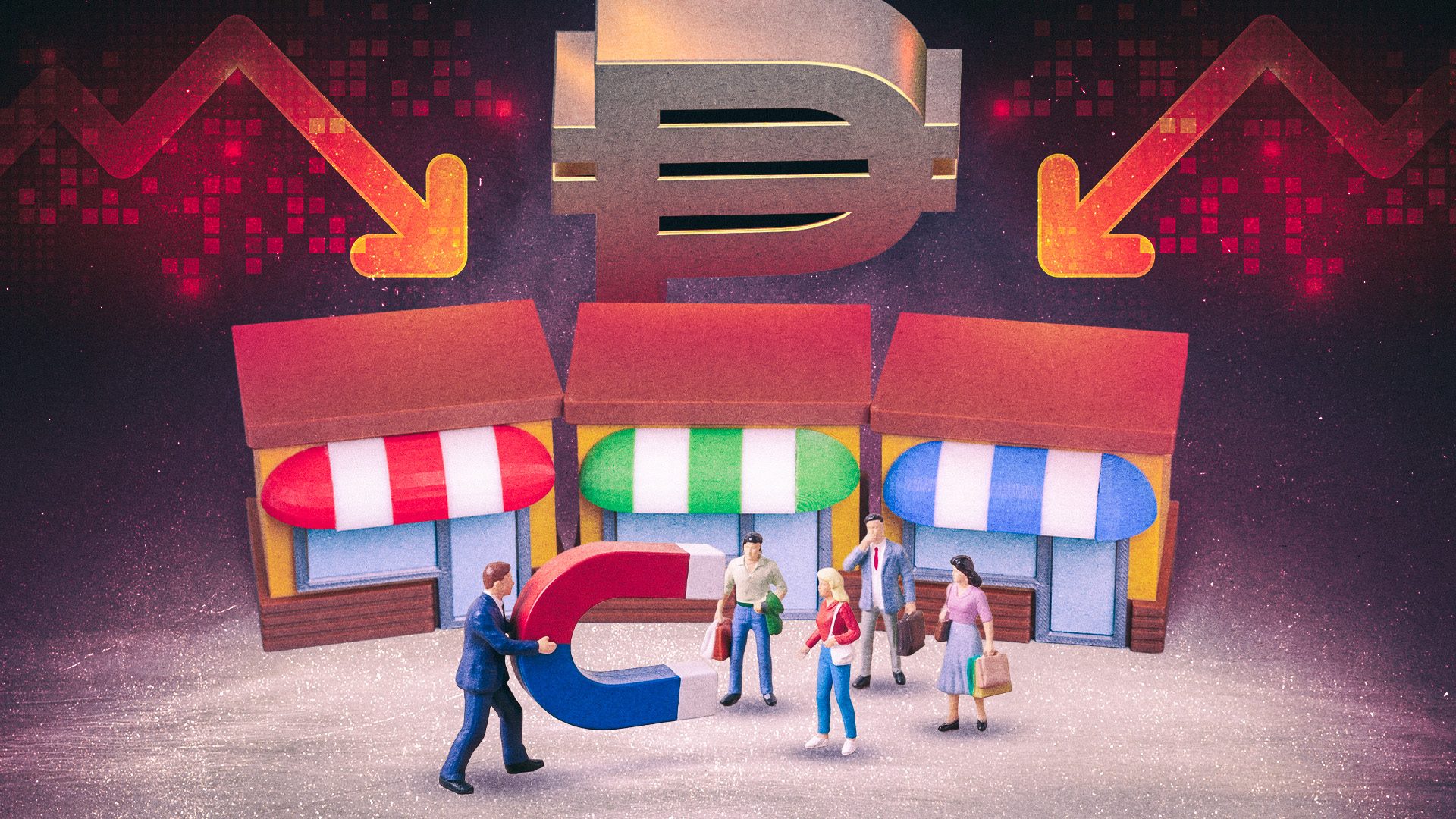
[READOUT] How can businesses win back customers amid a weak peso and high inflation?
Full Article
Original Source
Read the full article at Rappler →KhanList aggregates and links to publicly available news content. We do not host full articles from third-party sources. Always verify important information with original sources.