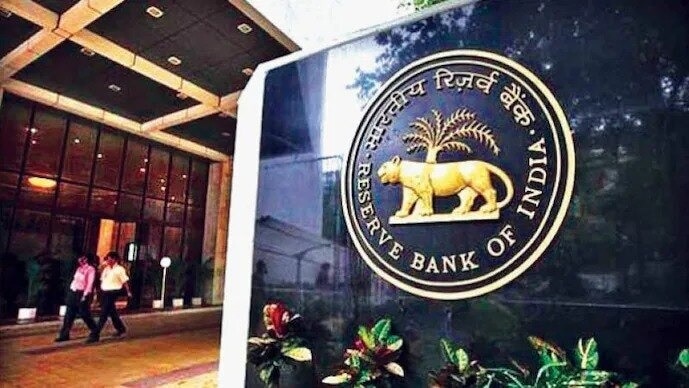
If you have ever wondered whether your bank gives a better fixed deposit rate to a large corporate client than it gives to you, the Reserve Bank of India has been wondering the same thing.On July 30, 2026, the RBI issued the Reserve Bank of India (Commercial Banks - Interest Rate on Deposits) Second Amendment Directions, 2026, making three specific changes to how banks set and disclose interest rates on deposits. The changes come into effect from October 1, 2026.The same directions have been issued simultaneously for small finance banks, regional rural banks, payment banks, local area banks, and urban co-operative banks, meaning the new transparency and uniformity rules on deposit rates apply across the entire banking system, not just commercial banks.At the centre of these changes is a category of deposit most people rarely think about: bulk deposits. Understanding what those are is the first step to understanding why this notification matters. WHAT IS A BULK DEPOSIT?A bulk deposit is any single fixed deposit of Rs 3 crore or more. Ordinary retail customers almost never deal in these.Bulk deposits are typically placed by companies, large businesses, trusts, and high net worth individuals who park large sums in banks for a fixed period in exchange for an interest rate. Because the amounts involved are so large, banks have historically offered these rates through private negotiations, sometimes giving better deals to favoured institutional clients while offering lower rates to others depositing similar amounts on the same day. That practice is now being shut down.WHAT EXACTLY IS CHANGING FROM OCTOBER 1?BANKS MUST PUBLISH BULK DEPOSIT RATES EVERY MORNING BY 10:10 AMFrom October 1, every commercial bank must put its bulk deposit interest rates on its official website every business day by 10:00 AM. A grace period of 10 minutes is allowed, so the latest a bank can publish is 10:10 AM.The rule is clear: whatever rate a bank offers on any deposit, bulk or otherwise, must match exactly what is already displayed on its website. There can be no rate offered to a depositor that differs from what is publicly disclosed.In practice, this means that if you are a corporate treasury officer, an institution, or a high net worth individual placing a bulk deposit, you can check your bank's website every morning and know exactly what rate is available to you that day. No more private negotiations that others cannot see. No more wondering whether someone else got a better deal.NO DIFFERENT RATES FOR DIFFERENT CUSTOMERSThe second change reinforces a principle of fairness. Banks must offer the same interest rate on deposits of the same amount placed on the same date, across all branches and for all customers. A bank cannot offer one rate to one depositor and a different rate to another depositor placing the same amount on the same day.This directly addresses the practice of banks quietly giving better rates to preferred institutional clients while offering lower rates to others. From October, that is no longer permitted.BANKS CAN NOW PRICE HIGHER RISK WITH HIGHER RATESThe third change is more technical, and it actually gives banks more flexibility rather than less.Under a global banking framework called the Liquidity Coverage Ratio (LCR), different types of deposits carry different risk ratings. The idea is straightforward: some deposits are more likely to be withdrawn quickly in a financial stress scenario than others. Retail fixed deposits tend to be sticky, people generally leave them alone. Large corporate bulk deposits can move fast if a company suddenly needs cash.Until now, banks had to offer the same rate on all bulk deposits regardless of this risk difference. The new rule allows banks to offer a higher interest rate on deposits that carry a higher risk of withdrawal, a higher run-off rate in LCR terminology.In plain English: if your deposit is considered more volatile from a banking stability standpoint, the bank can now reward you with a better rate to attract and hold that money. This applies to both domestic bulk deposits and non-resident bulk deposits placed by large NRI or overseas depositors.WHO BENEFITS FROM THESE CHANGES?Large corporate depositors and treasury teams are the primary beneficiaries of the transparency changes. These are the entities placing bulk deposits of Rs 3 crore and above.Until now, the rate they received depended partly on their relationship with the bank and the negotiating power of their treasury officer. From October, the rate is publicly disclosed every morning. Everyone placing the same amount on the same day gets the same deal.High net worth individuals placing large fixed deposits also benefit from the no-discrimination rule. If a bank is offering a particular rate on a Rs 3 crore deposit on a given day, it must offer that same rate to every customer placing that amount on that day, regardless of whether they are a long-standing client or a new one.The broader financial system benefits from the LCR-linked pricing change. By allowing banks to offer higher rates on deposits that carry higher withdrawal risk, the RBI is helping banks manage their liquidity more accurately and price deposits in a way that reflects their true cost to the bank. This is ultimately a stability measure.Retail depositors placing amounts below Rs 3 crore are not directly affected by these specific changes, since these rules are targeted at bulk deposits. However, the broader principle of disclosed rates matching offered rates applies to all deposits.WHY DID RBI DO THIS?The RBI's notification states that the changes were made following a review of the existing interest rate on deposits framework, with the aim of improving transparency and disclosure.The daily 10:10 AM disclosure requirement is a significant structural change. It moves bulk deposit rate-setting from a largely private, relationship-driven process to a publicly visible, time-stamped one. Any depositor, competitor, or regulator can check a bank's website at 10:15 AM and know exactly what rate was offered that day.The no-discrimination rule further closes the gap between what banks display publicly and what they offer in practice.Together, these changes bring India's bulk deposit market closer to the kind of transparent, publicly priced environment that is standard practice in more developed financial markets.WHAT YOU SHOULD KNOW IF YOU PLACE LARGE DEPOSITSIf you or your business places fixed deposits of Rs 3 crore or above with any commercial bank, from October 1 you should:Check your bank's website every morning after 10 AM to see the published bulk deposit rate for that day before placing your deposit.Know that you are entitled to the same rate as any other depositor placing the same amount on the same day at any branch of that bank.If a bank quotes you a rate different from what is published on its website, that is a violation of the RBI's directions and can be reported to the RBI Ombudsman.(Disclaimer: The views, opinions, recommendations, and suggestions expressed by experts/brokerages in this article are their own and do not reflect the views of the India Today Group. It is advisable to consult a qualified broker or financial advisor before making any actual investment or trading choices.)- EndsPublished On: Jul 31, 2026 08:17 IST
RBI changes the rules on bank deposit rates: What it means for you from October 1
Full Article
Original Source
Read the full article at Indiatoday →KhanList aggregates and links to publicly available news content. We do not host full articles from third-party sources. Always verify important information with original sources.