
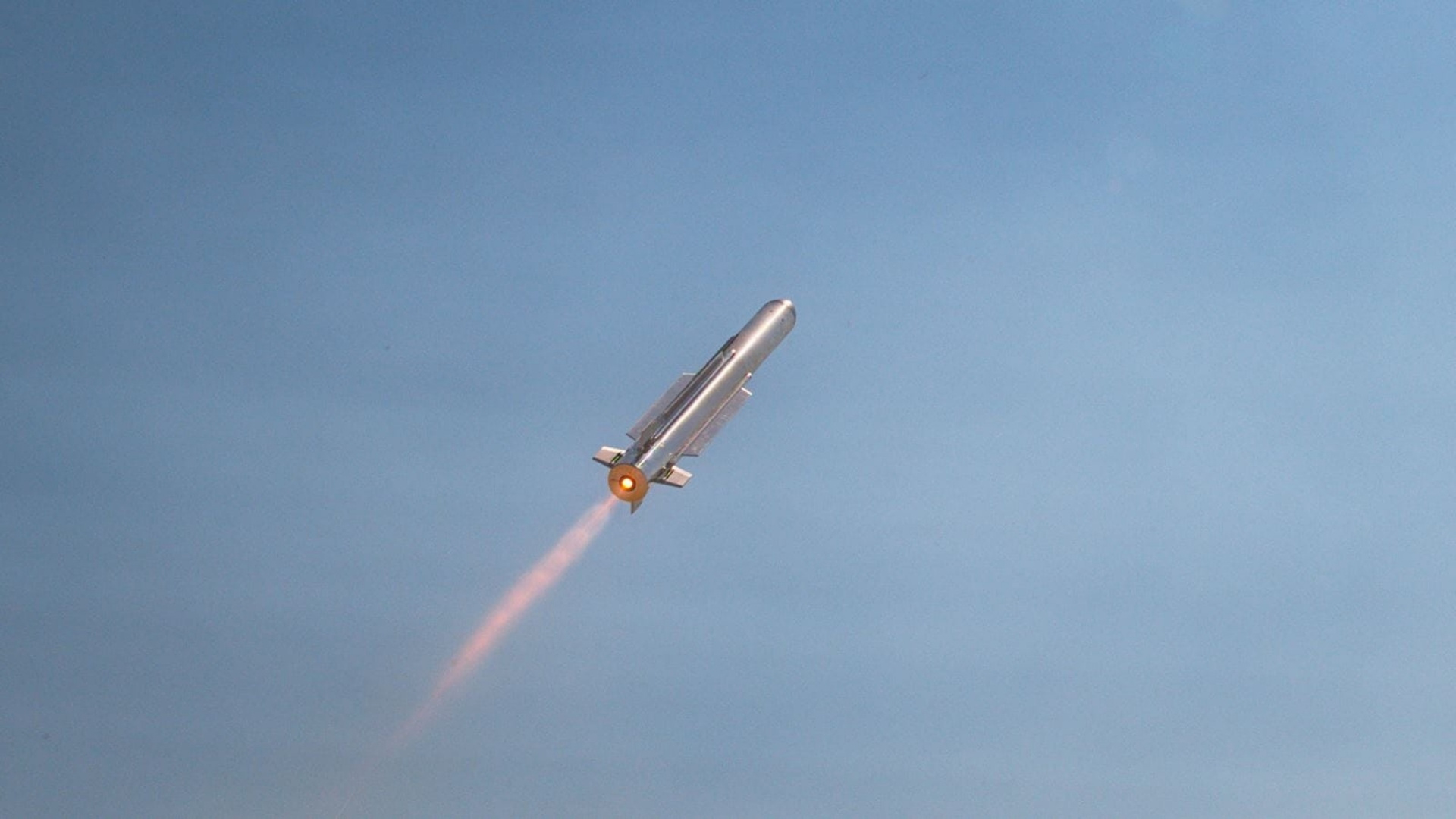
American military firm Raytheon has completed three development tests of its Coyote Block 2C+RM counter-drone interceptor, advancing the upgrade from concept to testing in just 15 months. Announced on October 12, the company-funded effort aims to equip the military with a faster response to evolving drone threats, including more advanced Group 3 drones. RTX is replacing the existing interceptor’s turbojet propulsion with a solid rocket motor and adding a new seeker and warhead. Raytheon said the changes enable faster launches, higher flight speeds, and faster successive shots. They will also significantly improve range, although specific performance figures remain undisclosed. Rocket propulsion speeds up engagements Drone threats are evolving quickly—and counter-drone technology has to evolve with them. Raytheon advanced its new Coyote Block 2C+RM upgrade from concept to initial field testing in just 15 months.🔗https://t.co/fLaahlifjF #AUSA2026— RTX (@RTX_News) October 12, 2026 Existing Coyote Block 2 interceptors use a small rocket booster for launch before a turbojet engine powers the rest of their flight. The Block 2C+RM moves to rocket propulsion, bringing the system closer to a conventional surface-to-air missile. Thomas Laliberty, president of Land & Air Defense Systems at Raytheon, described the range difference as significant but did not provide figures. Raytheon also says the upgrade enables faster successive shots, helping operators engage incoming drone waves. Seeker and warhead address advanced drones Raytheon has not detailed the changes to the seeker and warhead. Existing Block 2 interceptors receive targeting cues from ground radars and other sensors before onboard radio-frequency seekers guide the terminal engagement. They carry blast-fragmentation warheads. “Unfortunately, I can’t get into the specific threats, but I can tell you the intention is to have this cover all types of Class 3 drones,” Laliberty said. The U.S. military’s Group 3 category covers drones weighing 56 to 1,320 pounds, flying at altitudes up to 18,000 feet and reaching speeds no greater than 250 knots. Jet-powered one-way attack drones pose additional challenges because their higher speeds can reduce the time available for interception. Some reportedly reach approximately 270 to 320 knots, exceeding the Group 3 speed ceiling. The upgraded Coyote’s faster response and higher velocity are intended to help address these evolving threats more effectively. Laliberty also noted an overlap between some drone and cruise-missile capabilities, although the announcement did not establish a demonstrated cruise-missile interception capability. Upgrade builds on combat experience “With a common backbone, Raytheon can rapidly scale the Coyote family across counter-drone missions — so we’re accelerating the pace of innovation,” Laliberty said. “Coyote Block 2C+RM is the latest example of how we’re investing to deliver critical upgrades to combat-proven technology that give service members a decisive advantage on the battlefield,” he added. The Army, the largest known operator, previously outlined plans to buy at least 6,000 Block 2-series interceptors between fiscal years 2025 and 2029. Those plans do not establish purchases of the new variant. The Pentagon and Army have engaged with Raytheon on Block 2C+RM development, but formal U.S. military purchase contracts for this version remain unclear. The initial test series included several first-of-their-kind events, confirming initial integration with the current counter-drone architecture. It also marked the first launches of a Coyote effector equipped with a tactical rocket motor designed to shorten threat engagement times and enable faster successive shots. Get the latest in engineering, tech, space & science - delivered daily to your inbox.Atharva is a full-time content writer with a post-graduate degree in media & amp; entertainment and a graduate degree in electronics & telecommunications. He has written in the sports and technology domains respectively. In his leisure time, Atharva loves learning about digital marketing and watching soccer matches. His main goal behind joining Interesting Engineering is to learn more about how the recent technological advancements are helping human beings on both societal and individual levels in their daily lives.
Raytheon tests new drone-killer missile in just 15 months with faster rocket power
Full Article
Original Source
Read the full article at Interestingengineering →KhanList aggregates and links to publicly available news content. We do not host full articles from third-party sources. Always verify important information with original sources.