
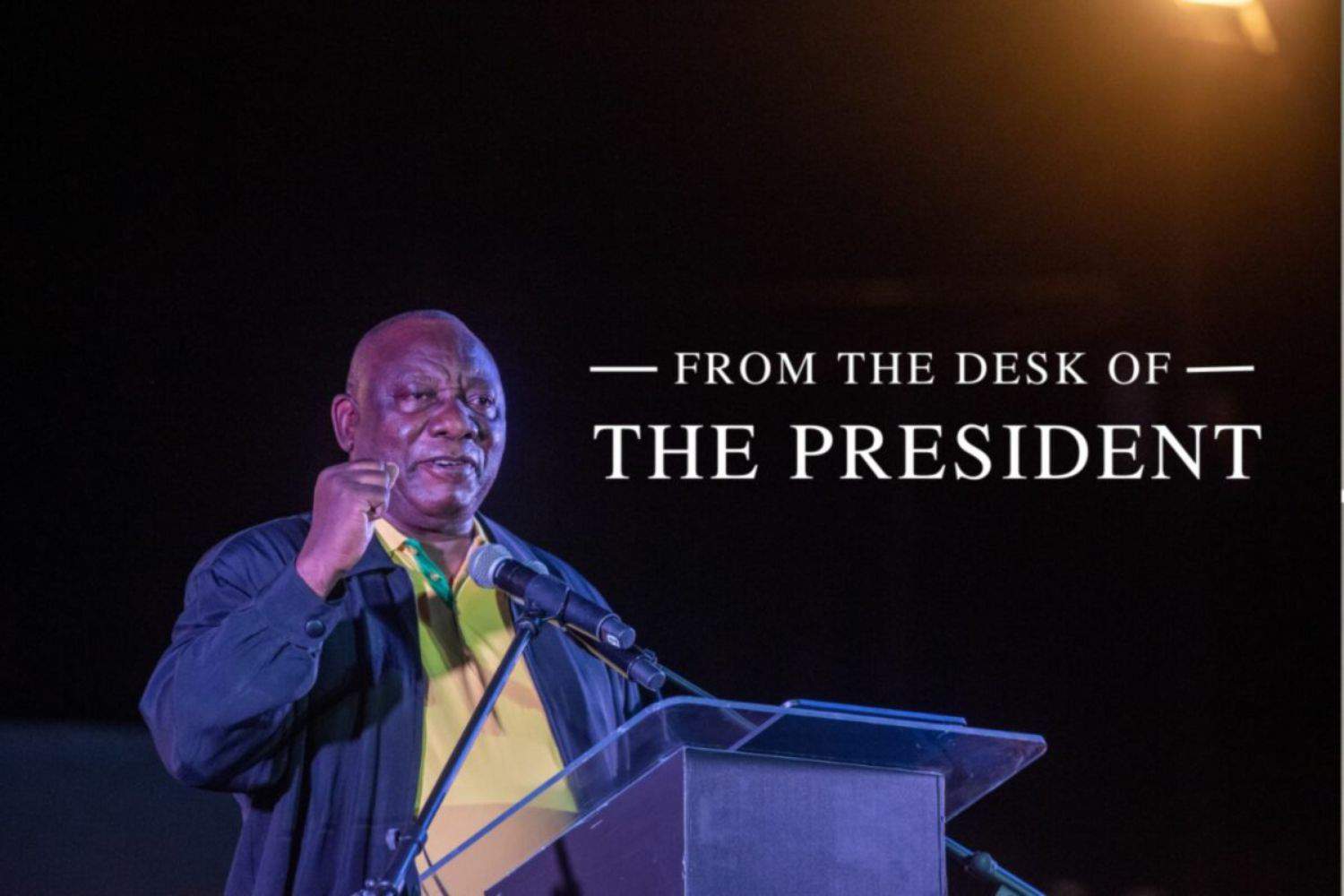
Ramaphosa acknowledged the financial strain facing many South Africans. President Cyril Ramaphosa says the government’s temporary fuel levy relief is part of broader efforts to ease cost-of-living pressures on households, and argues that South Africa’s improving public finances must ultimately lead to better services, jobs and economic growth. Last week, Finance Minister Enoch Godongwana responded to South Africans’ call for relief by reducing the fuel levy. While delivering his medium-term budget policy statement (MTBPS) on Wednesday, Godongwana said the fuel levy will be reduced by R3 per litre for diesel and R1.50 per litre for petrol from 4 November 2026 to 1 December 2026. It will then continue at lower amounts until 5 January 2027, with the diesel levy reduced by R1.50 per litre and the petrol levy by R1 per litre. Financial strain In his weekly newsletter after last week’s MTBPS, Ramaphosa acknowledged the financial strain many South Africans face. “We know the rising cost of living is putting a massive strain on households. The temporary reduction in the fuel levy announced by the minister is one of the ways we are trying to provide some relief,” he said. The president said the country has made progress in stabilising its finances after years of rising debt, which he said had diverted resources away from essential services and infrastructure. “As our debt went up, so did the cost of paying interest on it. Every rand we spent on interest was a rand that couldn’t be used to build a school, build houses, equip a hospital, fix a road or provide essential services,” Ramaphosa said. Debt According to the president, public debt has now stabilised and is beginning to decline for the first time in nearly two decades. He said the government has maintained a primary budget surplus since 2023, allowing it to reduce borrowing costs and direct more resources to development priorities. Fiscal challenges Ramaphosa linked many of the country’s fiscal challenges to state capture and the Covid-19 pandemic, which put additional pressure on public finances. He said government is focusing on improving spending efficiency, reducing waste and reviewing underperforming programmes. “Fixing our finances isn’t just about collecting more tax or cutting debt. It is also about making sure every single rand of public money is spent wisely, honestly and effectively,” he said. The president said more than R11 billion in savings had been identified by rationalising lower-priority programmes, and reforms are also underway to improve infrastructure delivery and oversight. Economic challenges However, Ramaphosa cautioned that stronger public finances do not mean South Africa’s economic challenges have been resolved. “We know that many South Africans haven’t felt the benefits of this economic recovery yet. Unemployment is still far too high, too many families are struggling to get by and too many communities are dealing with poor services,” he said. Ramaphosa said the government’s job now is to turn financial stability into economic opportunity and a “better quality of life for everyone”.
Ramaphosa points to fuel levy relief as cost-of-living crisis bites
Full Article
Original Source
Read the full article at Citizen →KhanList aggregates and links to publicly available news content. We do not host full articles from third-party sources. Always verify important information with original sources.