
A radio system based on the technology used in some digital car keys cut the median error in locating an electric vehicle’s wireless charging coil by about 80 percent after researchers corrected for signal distortions in a lab test. The system estimates where the coil sits relative to a charging pad and which way the vehicle is facing. Researchers at the University of Osaka in Japan developed the system with Tokai Rika and the University of California, San Diego. They tested it on a scaled-down vehicle model using ultra-wideband (UWB) signals to measure the coil’s position. Why parking position matters Wireless EV chargers send power from a pad on the ground to a receiver coil mounted underneath the vehicle. Shifting the coil a few centimeters away from the center of the pad or parking at the wrong angle can reduce the efficiency of the power transfer. That can leave the vehicle sitting on the pad longer to get the same amount of charge. Magnetic positioning systems generally work best once the coil is already close to the pad. Cameras can help guide parking, but rain, dirt, or poor lighting can make it harder for them to see the pad. The researchers used radio measurements to estimate both the coil’s location and the angle of the vehicle. How the radio signals locate the coil The team placed four UWB devices around the model’s receiver coil and set up antennas near the charging pad. The devices exchanged short-range radio signals with the antennas. The system first measured how long the signals took to travel between them to get a rough fix on the vehicle’s location. It then compared the phase of the waves as they arrived at different devices. Those small differences let the system refine its estimate of the coil’s position and the direction the vehicle was pointing. The researchers also measured distortions specific to the installation in advance and used those measurements to correct the readings. What the lab test showed The team took repeated measurements with the model stopped in one position. With the correction applied, the median error in the estimated vehicle angle was 0.25 degrees. The median error in the estimated coil position was roughly five times as large when the researchers left the correction out. The researchers showed how the position and angle readings could be displayed to guide a vehicle over the pad. The approach could also help robotaxis and other autonomous EVs line up to recharge without someone on hand to plug them in. “Turning a computational method into a working system required considerable trial and error. We hope this research will lead to a future where EVs charge simply by parking, much like smartphones placed on wireless chargers,” said Ryotaro Hada, the first author of the study. The system still needs to be tested outdoors, on full-sized vehicles and while a charger is transferring power. The study was published in the IEEE Open Journal of Vehicular Technology. Get the latest in engineering, tech, space & science - delivered daily to your inbox.Atharva is a full-time content writer with a post-graduate degree in media & amp; entertainment and a graduate degree in electronics & telecommunications. He has written in the sports and technology domains respectively. In his leisure time, Atharva loves learning about digital marketing and watching soccer matches. His main goal behind joining Interesting Engineering is to learn more about how the recent technological advancements are helping human beings on both societal and individual levels in their daily lives.
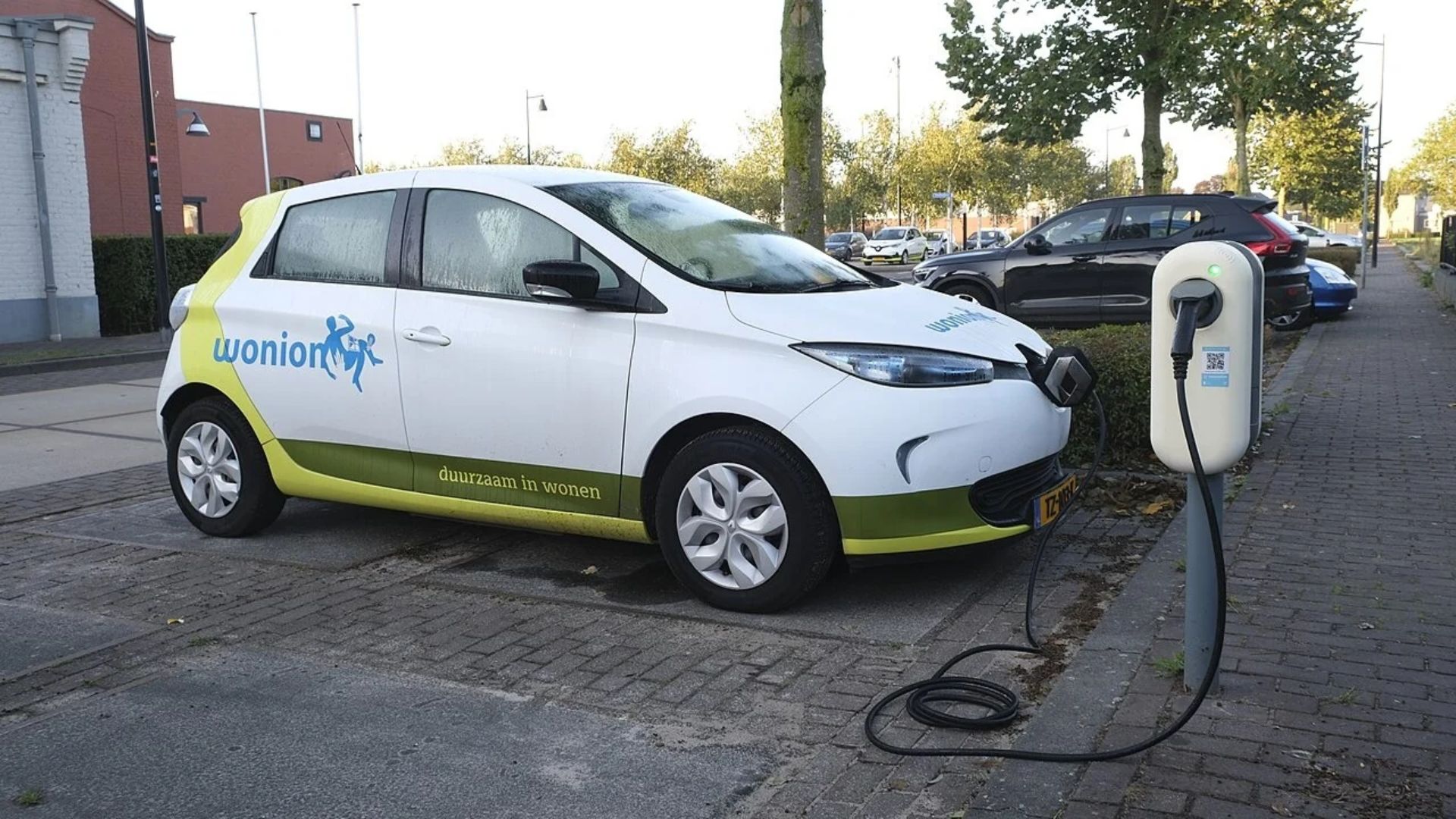
Radio tech helps EVs park over wireless chargers with 80% less positioning error
Full Article
Original Source
Read the full article at Interestingengineering →KhanList aggregates and links to publicly available news content. We do not host full articles from third-party sources. Always verify important information with original sources.