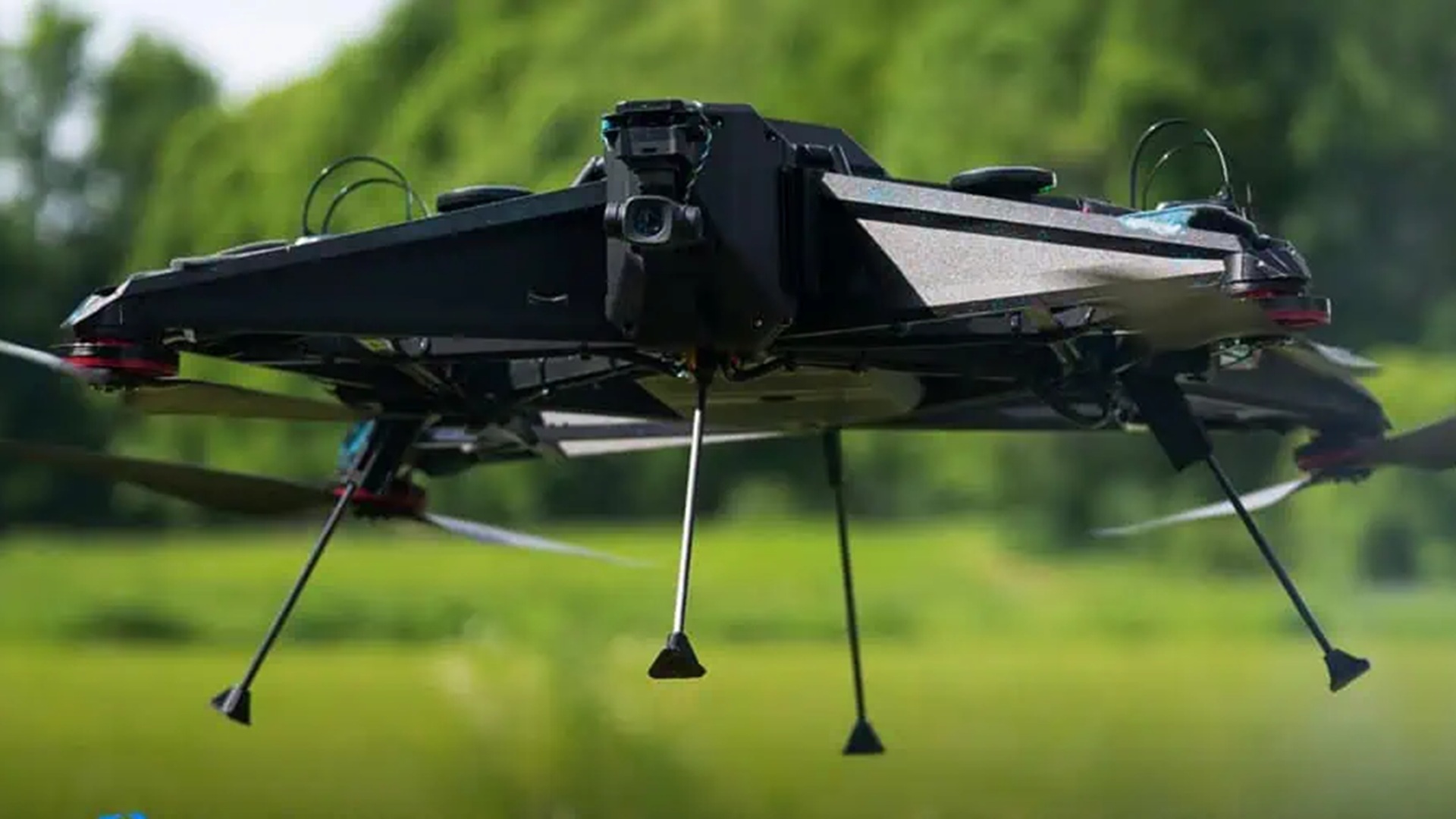
Drone maker Modovolo is using quantum-inspired computing to speed up the design of its next-generation propellers. The technology, developed by quantum-accelerated simulation software company BQP, uses advanced computing methods to explore thousands of engineering designs on existing high-performance computing and GPU systems. Modovolo has integrated BQP’s BQPhy simulation platform into its engineering workflow to test a much larger number of propeller designs than traditional methods allow. The goal is to shorten the process of finding designs that can improve drone flight time and payload capacity while keeping manufacturing costs low. The companies say the approach has already been used to optimize Modovolo’s patent-pending 3D-printed propellers. Traditional computational fluid dynamics and structural analysis tools can make design optimization slow because engineers have to narrow many possible configurations into a manageable set. BQPhy’s QuantumNOW solver uses quantum-inspired algorithms on existing high-performance computing and GPU systems. BQP says this can compress tens of thousands of simulations into a fraction of the usual time and computing resources. For Modovolo, the immediate target was a set of 3D-printed propellers designed to maximize flight time and payload while keeping costs down. Thousands of designs, fewer delays Modovolo had already built its own genetic algorithms for propeller optimization. But CEO Justin Call said traditional methods could take days to reach a single design on local servers, and some results had to be discarded when calculations became trapped in a local minimum. “We have developed our own genetic algorithms for propeller optimization, which has produced some very high-efficiency designs,” Call said. “But relying on traditional optimization methods was incredibly time-intensive, due to the extremely large number of potential three-dimensional geometries for the propeller.” The challenge is not limited to the number of shapes that can be tested. Propeller blades have changing aerodynamic and structural conditions along their surfaces, creating a large design space with many variables. BQPhy is intended to let engineers examine more of them at once. CTO Arion Mangio said the platform supplied the computing capacity needed to expand that search. “BQPhy enabled us with the computational muscle, to explore an unprecedented number of design variables at once, solving our immediate performance bottlenecks and giving us a scalable engine to tackle our next generation of complex UAV systems.” From simulations to hardware The companies say the optimization has already moved beyond computer models. Modovolo is applying the results to patent-pending, 3D-printed propellers, with the company reporting increases in flight time and payload lift capacity. That matters because Modovolo’s business model is built around performance per dollar. Its Lift drone is designed to carry payloads while keeping operating costs below competing systems. Faster optimization could let the company iterate on hardware more frequently without a matching increase in engineering time. The BQP-Modovolo work also illustrates a broader shift in engineering software. Quantum-inspired systems do not require a quantum computer to run; BQPhy is designed to operate on infrastructure manufacturers already use. That makes the technology easier to test in existing development pipelines. BQP and Modovolo are both part of the NY Ventures portfolio, linking the project to New York’s advanced-manufacturing ecosystem. For Modovolo, the immediate benefit is a faster way to search for better propellers. For BQP, the project shows how its simulation technology can be applied to physical engineering.Recommended ArticlesGet the latest in engineering, tech, space & science - delivered daily to your inbox.With over a decade-long career in journalism, Neetika Walter has worked with The Economic Times, ANI, and Hindustan Times, covering politics, business, technology, and the clean energy sector. Passionate about contemporary culture, books, poetry, and storytelling, she brings depth and insight to her writing. When she isn’t chasing stories, she’s likely lost in a book or enjoying the company of her dogs.
Quantum-inspired tech lets engineers test tens of thousands of drone designs at once
Full Article
Original Source
Read the full article at Interestingengineering →KhanList aggregates and links to publicly available news content. We do not host full articles from third-party sources. Always verify important information with original sources.