
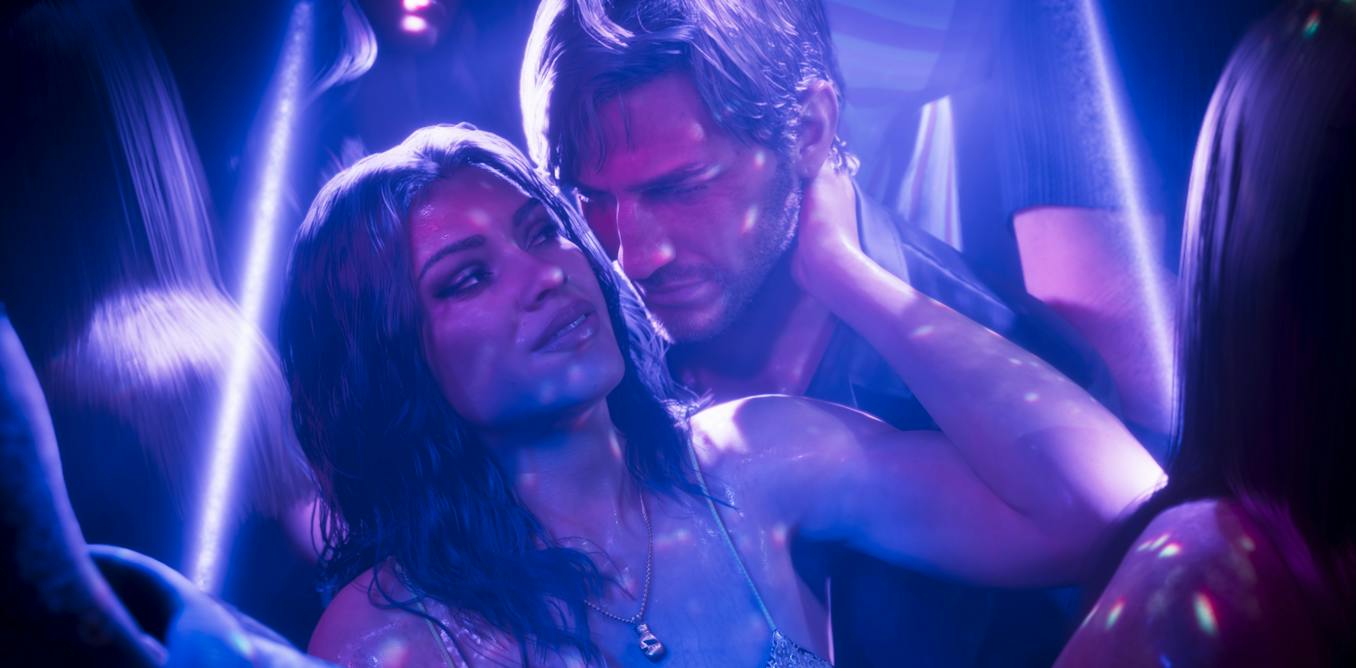
Grand Theft Auto VI (GTA6) goes against the grain of its predecessors. While the series has been known for stealing cars, robbing banks and violence – normally without much critical reflection – this new instalment promotes empathy, rewards romantic gestures, and pokes fun at the manosphere. Protagonists Lucia and Jason are partners in crime, committing robberies, assaults and vehicle theft, both solo and together. Gameplay alternates between them. When playing as Jason, thoughtful gestures such as buying flowers, engaging in house maintenance, and responding to texts in a timely manner earn “heart points”. For the relationship to develop, actions need to be reciprocated when playing as Lucia by showing support and affection, and spending time together. Not everyone is happy with these changes, accusing developer Rockstar of “going woke”. These critiques point a mirror towards a society that no longer prioritises acts of care. Here’s why GTA6 “going woke” is a good thing – for players and for society. Choosing relationships While the romantic elements are technically optional, players who choose to engage are rewarded with intimacy and a rich compelling narrative. And engaging in unnecessarily violent acts (such as killing someone when stealing their vehicle), increases the characters’ “criminal profile”. This in turn impacts Jason and Lucia’s “relationship meter” as the characters do not value indiscriminate violence. This leads players to be less inclined towards indiscriminate violence, and more thoughtful with their actions. Some women are reporting the game is having real-life consequences, with their partners coming home with flowers. Others report their partners show more care to their “on-screen girlfriend” Lucia, than themselves. We can think of the actions undertaken in the game as “love languages”. In the 1990s, Baptist pastor Gary Chapman developed five categories for how we give and receive love: acts of service, gifting, physical touch, quality time and words of affirmation. The framework has been criticised for a lack of evidence and religious undertones. However, it is still a useful framework that has become a frequent pop psychology reference, and it is relevant to how GTA6 depicts love. GTA6 rewards players for such “love language” actions, prioritising their partner and engaging in small, thoughtful everyday acts, promoting chivalry and romance. Read more: Love languages are hugely popular – but there’s very little evidence they exist at all This is timely.As part of our ongoing research we spoke to young people about their experiences of sexuality education and digital media. They tell us “romance is dying”, and skill development around “love” is missing. Thanks in part to dating apps, modern dating culture has become a contrived and gamified process. Research also suggests kindness and consideration in relationships is seen as a dying art. GTA6 creates a potential entry point for behaviour change for otherwise unreceptive audiences. Poking fun at masculinity and the manosphere GTA6 also ramps up the cultural criticism of the far-right and manosphere. The series has various radio stations players can listen to. The WKTT (We Know The Truth) Station satirically emulates figures like Nick Fuentes, Alex Jones and Joe Rogan. Alternative depictions of masculinity and male friendships are explored too. Early in the game, Jason and his friend Cal are featured in a montage where they engage in typical “bro” behaviour – drinking, peeing off a balcony and getting into a scrap. The tone is silly, and the scenes are interspersed with less stereotypically hypermasculine moments, including conversations about feng shui and what cot to buy. The scene ends with the two men spooning, sharing a bed. GTA6 pokes fun at hypermasculinity, in a language users understand. Representation matters Rockstar doesn’t have a great track record for gender and violence. In previous GTA games, users could hire sex workers and kill the women after using their services. In the latest version the only sex work present is lapdancing, and violence is restricted against these workers. This move is important given that harm and violence towards sex workers is a significant issue globally and in Australia. Lucia is the first fully-fleshed and meaningful main female protagonist of the GTA series. GTA5, released 13 years ago, featured three main playable characters, all men. Around half of game players are women. But historically, the depiction of female characters, number of women in the industry, and treatment of women in game cultures has not reflected this figure. Over recent years, we have seen more diverse characters, and some movement within the industry to foster diversity and inclusion. And, as we are seeing now in relation to GTA, many of these games have faced backlash. Women have been playing these games for a long time. Rockstar is finally acknowledging that. More complex than violence Video games are often scapegoated as a media form that incites violence, but it’s complicated. Games can facilitate a sense of escapism, with various mental health benefits, exposing players to alternative ways of being and doing – including attitudes towards women and relationships. GTA6 is a compelling love story that encourages users to be romantic while keeping the escapism elements of crime. Given rising misogynistic attitudes, such messages are sorely needed.
Quality time and gifting flowers: why we love that GTA became a game about relationships
Full Article
Original Source
Read the full article at Theconversation →KhanList aggregates and links to publicly available news content. We do not host full articles from third-party sources. Always verify important information with original sources.