
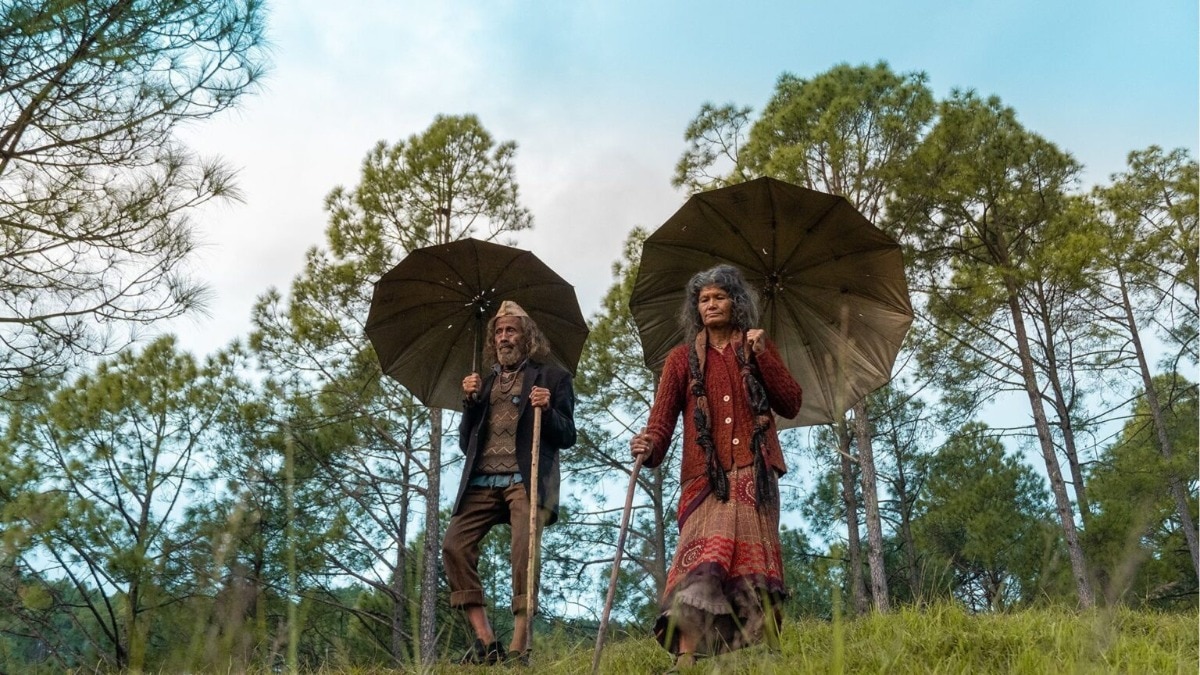
What does growing old look like when the world around you is slowly disappearing? When your children are too far away, your village is emptying out, and even visiting a doctor becomes a challenge? Vinod Kapri’s Pyre explores these realities through an elderly couple in the mountains of Uttarakhand. Beneath its story of loneliness, migration and old age lies a more intimate question: who will hold your hand when life gets difficult? If there is one thing this film makes you want, it is someone to grow old with.Starring Padam Singh Kapri and Hira Devi, Pyre follows an elderly couple navigating life with limited resources and diminishing support. Their son has left home, the village is losing its young population, and familiar faces are gradually disappearing. Kapri finds heartbreak not in grand dramatic moments but in everyday conversations, small gestures and silences that often say more than words ever could.And then there are those faces. The wrinkles, the tired eyes, the expressions shaped by decades of living. Watching these two elderly actors, you cannot help thinking of your own parents, grandparents or loved ones growing old while you chase work and ambitions in the city. Most of us are busy building our futures, but Pyre makes you wonder about the people we leave behind.The performances make this reality particularly affecting. Padam Singh and Hira Devi share fabulous chemistry, bringing remarkable authenticity to their characters. Their relationship feels lived-in and wonderfully imperfect. They fight, scold each other, make fun of each other and complain about the most mundane things. Yet, beneath the irritation is unmistakable tenderness. They have spent so much of their lives together that even their arguments seem to have their own language of love. When the wife falls ill, the husband's concern and the way he tends to her are especially moving. There are no grand declarations, just a man looking after the woman he has shared his life with. Watching them, you begin to understand what marriage means beyond the wedding photographs and promises made when you are young. It is having someone who knows your habits, tolerates your moods and cares for you when your body begins to give up. Pyre finds beauty in this unspoken commitment, reminding you why growing old with someone can be such a comforting thought. But their affection cannot shield them from the harsh realities of their surroundings. In a particularly startling sequence, the old man parts with his goat to secure everyday necessities, including a doctor's visit, having the postman bring letters and persuading his neighbour to stay back. It feels almost unreal to watch. The goat is not merely an animal; it is an asset, something valuable the couple has cared for over the years. Yet, when they need help or company, it becomes a means of securing both. The fact that such realities exist beyond the screen makes these moments even more shocking. Access to healthcare, transport and basic facilities remains a struggle in remote mountain villages, and Kapri captures these challenges without turning the film into a lecture. The couple's helplessness deepens as they watch their village empty out. The people who once gave the place its life are leaving, and even the few familiar faces they could depend on are slipping away. The old man's frustration is palpable. There is desperation in his attempts to stop the exodus, almost as if he could hold the village together by sheer force of will. But what can one man do when everyone else is looking for a way out?The absence of their son adds to their predicament. There is no easy villain here, just the distance that develops between families when work, ambition and migration take people in different directions. For the parents left behind, that distance means unanswered questions and an uncertain future. Their awareness of their isolation is equally affecting. The way they prepare their own pyre, keeping it ready for their final moments, is heartbreaking. They know they may have to face the end without anyone else around.Kapri's storytelling is complemented by beautiful cinematography. The grand mountains and sweeping hills are captured in wide frames that make the landscape appear almost endless. Against this vastness, the couple looks like two tiny specks in a world that will continue long after they are gone. The contrast is striking, conveying the scale of their isolation without spelling it out. The background music deepens the experience without overwhelming it, while the sound of rain and other ambient sounds makes the setting feel tangible. You can almost feel the cold and stillness of those long days.That said, Pyre demands patience. Its deliberate pacing and stretches of everyday routine may feel repetitive to viewers looking for a more conventional narrative. There are moments when the film could have benefited from a tighter edit. However, its unhurried rhythm reflects the lives it portrays, where days pass slowly without any significant event.Ultimately, Pyre is a tender film about ageing, abandonment and the harsh realities of life in remote villages. Its strongest moments belong to its lead actors, whose natural chemistry makes the couple's relationship feel deeply personal. That they are not actors and are making their debut at such an advanced age makes their performances all the more remarkable.- Ends
Pyre review: Vinod Kapri's film reminds you why we need someone to grow old with
Full Article
Original Source
Read the full article at Indiatoday →KhanList aggregates and links to publicly available news content. We do not host full articles from third-party sources. Always verify important information with original sources.