
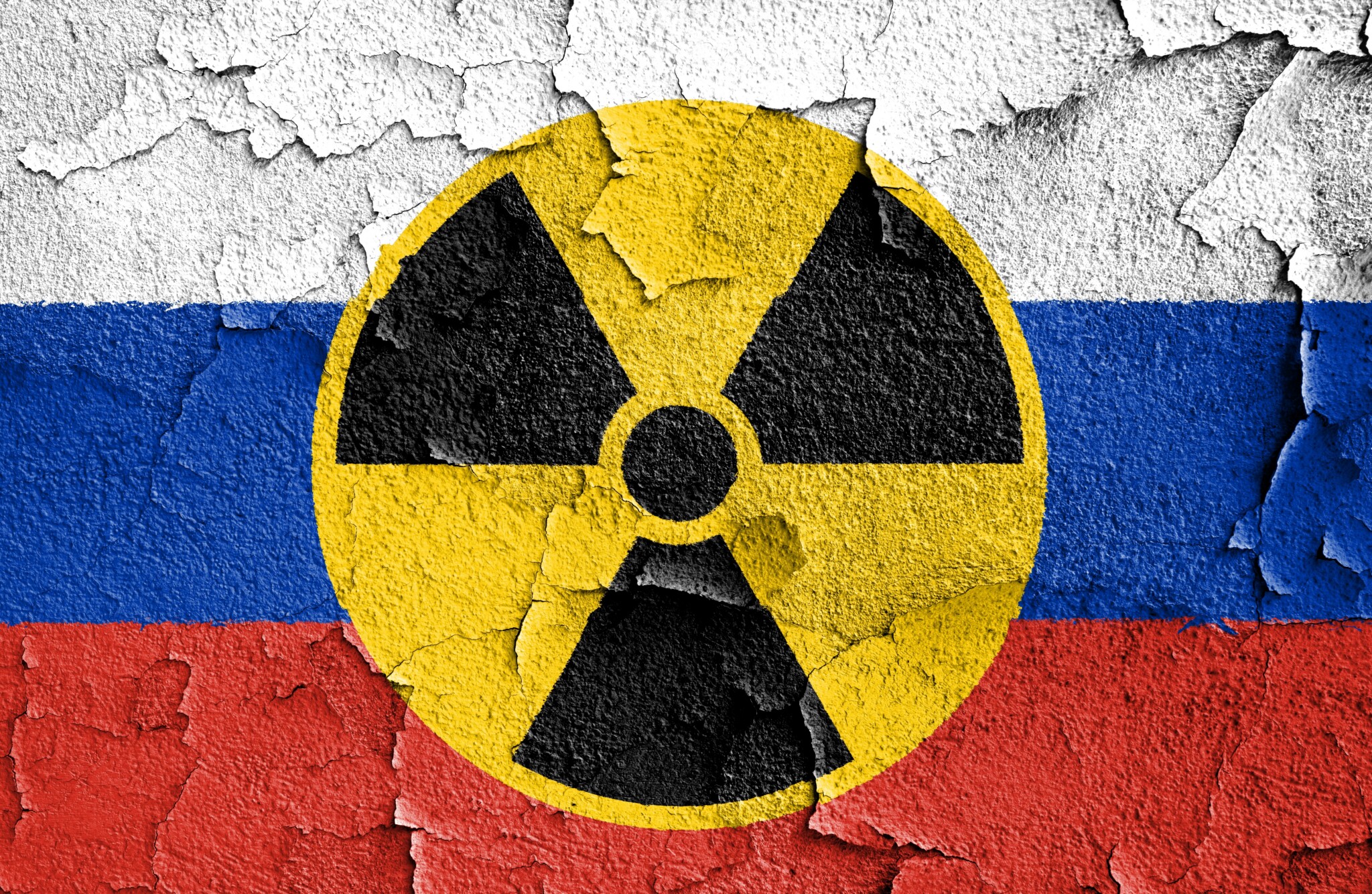
This week the Kremlin is signaling that further escalation remains on the table, with some Russian officials reportedly discussing nuclear weapons as a last resort, Bloomberg reports. The war is costing Putin more, delivering less, and straining Russia’s economy. So, right on cue, he reaches for his favorite weapon of all: the nuclear threat. The nuclear card is Putin’s favorite scare tactic and it’s past time for the West stop falling for it. The Kremlin’s nuclear playbook was in use almost from the start of the war. In February 2022, Putin put Russia’s nuclear forces on heightened alert, which was a blunt warning to the West not to intervene. By September, he was again invoking Russia’s nuclear arsenal, warning that the West should take his threats seriously.Washington took the threat seriously. In October, President Biden warned that nuclear “Armageddon” could be looming, and Western media eagerly amplified the most alarming scenarios of how Russia’s war could spiral into World War III. The Kremlin kept the nuclear pressure campaign going. In June 2023, Belarusian dictator Alexander Lukashenko publicly confirmed that Russia had begun transferring tactical nuclear warheads to Belarus. In March 2024, French President Emmanuel Macron kept the door open to sending troops. Moscow responded with the nuclear alarm bell, with spy chief Sergei Naryshkin warning that Europe was pushing the world toward nuclear war and in May Russia announced plans for nuclear drills in response to the possibility of deeper Western involvement in Ukraine. In November 2024, Putin unveiled changes to Russia’s nuclear doctrine, declaring that an attack by a non-nuclear state backed by a nuclear power could be treated as a joint attack on Russia. The nuclear threats continued also in 2026 when Russia and Belarus prepared joint exercises involving scenarios for nuclear weapons use. Moscow thrives on uncertainty, using nuclear threats to keep Washington second-guessing itself. Putin has little rational incentive to use nuclear weapons. His real strategy is simpler: drag out the war, wear down Western support, and wait for the United States to blink. It’s an old Soviet playbook known as “reflexive control” to flood the opponent with fear and propaganda until they start making decisions that serve Moscow’s interests. Putin learned this game in the KGB, and he continues playing it. The Trump administration reads well through Putin’s games. In 2022, President Trump said that he would threaten Putin with US nuclear submarines if Russia continued making nuclear threats. And he did. In August 2025, after Russian official Dmitry Medvedev invoked Moscow’s nuclear capabilities, President Trump responded by ordering two US nuclear submarines to reposition, calling Medvedev’s remarks “foolish and inflammatory.” Putin’s latest nuclear threats are less a sign of strength than weakness. With the battlefield not delivering the victory he wants, he is trying to convince the West that he is negotiating from a position of strength. The nuclear card is his favorite tantrum and the West should stop rewarding it.That matters now. CIA Director John Ratcliffe traveled to Moscow this week to warn Russia against attacking NATO. The West should take that threat seriously but not confuse Russian hybrid aggression with nuclear inevitability. Now is the time to act, not retreat. NATO should conduct military exercises in the Baltics and strengthen its defenses without letting Moscow’s nuclear bluster become a veto over the alliance’s security decisions in Europe. Dr. Ivana Stradner serves as a research fellow with the Barish Center for Media Integrity at the Foundation for Defense of Democracies. Her research focuses on Russia’s security strategies and military doctrines to understand how Russia uses information operations for strategic communication.
Putin’s Knee-Jerk Nuclear Saber-Rattling
Full Article
Original Source
Read the full article at Fdd →KhanList aggregates and links to publicly available news content. We do not host full articles from third-party sources. Always verify important information with original sources.