
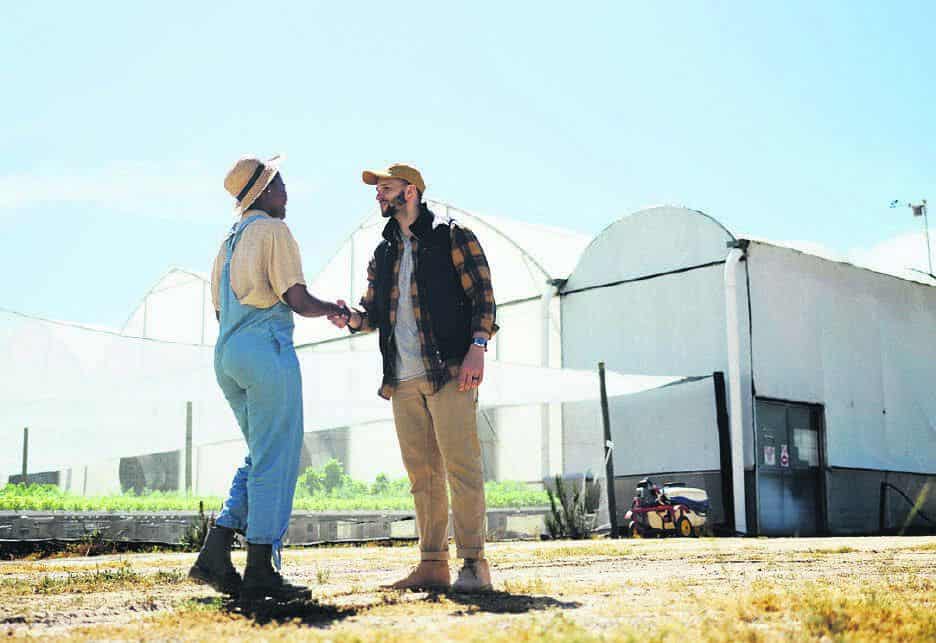
Experts warn that without independent advice, communities risk losing out on the economic benefits of their restored land. Land reform partnerships between beneficiary communities and private investors could unlock about R1 billion in investment and help turn restored farms into commercially viable businesses. However, experts warn that poor governance and a lack of professional advice could leave communities vulnerable to unfavourable agreements. Land reform partnerships could unlock R1 billion in investment The Vumelana Advisory Fund, a non-profit organisation that helps land reform beneficiaries put their land to productive use, says community-private partnerships (CPPs) can create jobs, generate income and attract investment if properly structured and managed. However, the organisation warns that communities risk losing out on the economic benefits of their land if they negotiate deals without independent transaction advisors to protect their interests. Mazwi Mkhulisi from Vumelana said properly negotiated partnerships had the potential to unlock approximately R1 billion in investment into land reform projects across South Africa. “But to achieve this, beneficiaries need stronger governance, accountability and professional support to ensure they reap the rewards of their land,” he said. Mkhulisi said transaction advisory services cost about R1 million per deal, covering feasibility assessments, sourcing partners, negotiations and legal drafting. He said government funding was needed to ensure communities could access these services, as most could not afford them. Government funding needed Funding 27 deals at an estimated R1 million each would require R27 million and could potentially leverage about R1 billion in investments. “The key to successful land reform partnerships is independent transaction advice – and public funding is needed to sustain it,” he said. The CPP model, pioneered by Vumelana more than a decade ago, connects land reform beneficiary communities, usually organised into communal property associations (CPAs), with private investors to develop restored land into productive and sustainable businesses. Under the model, communities contribute land and receive rental income, employment opportunities and dividends, while private partners provide capital and skills. Mkhulisi said returning land to communities was only one part of land reform. “Without investment, expertise, access to markets and effective governance, restored land becomes unproductive, leaving beneficiaries unable to develop sustainable livelihoods.” Returning land to communities only one part of land reform He cited a case where independent transaction advice helped a community secure R70 million in new investment, increase rental income by R80 million over the lease term, improve its shareholding from 40% to 50% and increase employment from 150 to 250. In another case, a community that renegotiated an agreement without independent advice lost substantial contractual rights previously secured with an advisor’s assistance. Drawing on case studies of partnerships between 2018 and 2025 in agriculture and tourism in Mpumalanga, the Eastern Cape, North West and Limpopo. Vumelana senior employee Brian Whittaker said partnerships with appropriate safeguards, accountability and community participation had improved livelihoods. So far, the projects covered restored land ranging from 639 to 26 000 hectares, with commercial partners ranging from family-owned businesses to multinational enterprises. In agricultural projects, assets remain with the community landowners, as it returned at the end of the lease, Whittaker said. Assets remain with community landowners Rental income ranged from R750 000 to several million rands annually, while dividends and fees ranged from R800 000 to R12.2 million. Salaries and wages accounted for more than 80% of benefits in some projects. Communities also benefited from training, skills development and procurement opportunities. Surveys found employed community members’ incomes increased by between 30% and 90% compared with those not employed in the projects. But Whittaker acknowledged that partnerships had not created employment for everyone and that CPA rental and dividend income did not always translate into direct income for individual members. He said the evidence demonstrated the benefits of partnerships when communities had appropriate institutional support and governance. “Without independent transaction advisory support, communities risk entering into unfavourable agreements that could undermine the sustainability of these partnerships. “When partnerships collapse, the consequences extend beyond the immediate parties, resulting in unproductive land, unemployment and renewed demands for government support.” Partnerships key to growth of emerging farmers Piet Mothepu, land reform committee head at the African Farmers’ Association of SA, said partnerships were key to the growth of emerging farmers. “We don’t have the required expertise as most of us are first-generation farmers. Partnerships with credible companies and institutions are key,” he said.
Put restored land to work through fair community partnerships
Full Article
Original Source
Read the full article at Citizen →KhanList aggregates and links to publicly available news content. We do not host full articles from third-party sources. Always verify important information with original sources.