
Chandigarh: With Punjab Congress stepping up preparations for the 2027 assembly elections, state party chief Pargat Singh has questioned the rigid application of the 'one family, one ticket' formula, maintaining that a candidate's potential to win should take precedence over family background.Singh said there could be situations where one member of a political family was already a Member of Parliament while another was seeking an assembly ticket. In such cases, the party should not impose a blanket restriction. The candidate's potential to win the constituency should be the decisive consideration.He maintained that there is no fixed yardstick and that every case should be assessed individually. The 'one family, one ticket' principle is not new to the Congress. The party formally adopted it as part of its organisational reforms at the Nav Sankalp Chintan Shivir in Rajasthan's Udaipur in May 2022, under then Congress president Sonia Gandhi. The Udaipur Declaration stipulated that normally only one member of a family should get an election ticket. However, it also provided an exception, allowing another family member to be considered if he or she had worked in the organisation for at least five years.The reform was part of the Congress's broader effort to create opportunities for grassroots workers, encourage organisational renewal and address criticism over dynastic politics.Punjab had experimented with the principle earlier. In 2016, then Punjab Congress chief Captain Amarinder Singh announced that the party would not give two assembly tickets to members of the same family for the 2017 elections. The implementation, however, has triggered friction, particularly when senior leaders have sought tickets for their relatives.The latest controversy gathered momentum after former PPCC chief Amrinder Singh Raja Warring advocated the 'one family, one ticket' principle, arguing that senior leaders should not seek tickets for both themselves and their family members as ordinary party workers also deserved opportunities.The position was challenged by Gurdaspur MP Sukhjinder Singh Randhawa, who argued that even four members of a family could be considered if they were capable of winning. His remarks brought the internal differences over ticket distribution out in the open.Pargat Singh's latest position indicates that the party leadership may prefer a flexible approach rather than a numerical restriction. It also puts emphasis on constituency-level assessments at a time when several senior leaders are lobbying for their family members.Among those whose family members are part of the political ticket discussion are Rana Gurjeet Singh, who wants his son Rana Inder Partap Singh to be considered, and former chief minister Charanjit Singh Channi, who is keen on a ticket for his elder son Navjit Singh. Other senior leaders, including Tript Rajinder Singh Bajwa, Sukhjinder Singh Randhawa and Madan Lal Jalalpur, have also figured in discussions around family representation and ticket claims.The Congress leadership has meanwhile started surveys across constituencies to assess the prospects of potential candidates. The party is also looking to identify strong candidates in constituencies where multiple leaders have staked claims.The party's November 1 meeting in Delhi, chaired by Congress president Mallikarjun Kharge and Rahul Gandhi, was part of the wider election preparations.The first list is expected to cover around 50 constituencies, although the timing of its announcement remains a key consideration for the state unit.For Pargat Singh, the challenge will be to balance the claims of established political families with the aspirations of grassroots workers. While winnability is being projected as the principal criterion, the party will also have to address concerns over factionalism and ensure that ticket distribution does not create fresh resentment among leaders and workers.
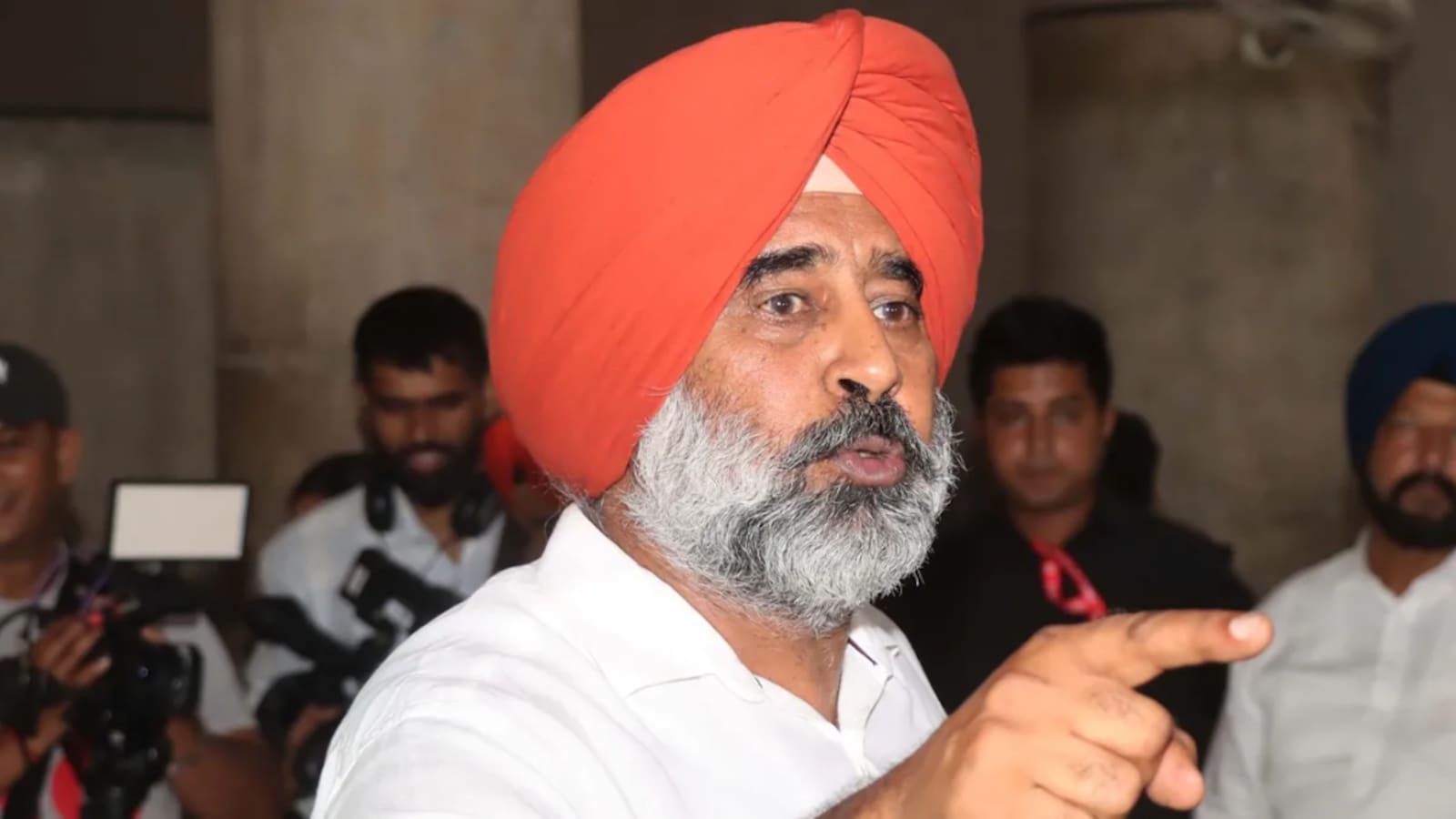
Punjab Congress Chief Pargat Singh Challanges "One Family, One Ticket" Rule
Full Article
Original Source
Read the full article at Ndtv →KhanList aggregates and links to publicly available news content. We do not host full articles from third-party sources. Always verify important information with original sources.