
Persistent heat and low rainfall across Europe in spring and summer 2026 are worsening drought conditions, with groundwater and river levels falling in several areas. The problem could worsen as countries expand renewable fuel production because making fuels such as green methanol requires large amounts of water. A new study from Forschungszentrum Jülich suggests that even dry regions could make renewable methanol by gathering water and carbon dioxide from the air. The research looks at whether this method could help produce fuel in places with lots of renewable energy but not much fresh water. Pulling water and CO₂ from air This method uses direct air capture, or DAC, technology. The filters take in carbon dioxide from the air and also absorb moisture. Researchers at Jülich used this feature to get both main ingredients for making methanol from one place. The water they collect can be used in the process along with the carbon dioxide, so there is less need to use local freshwater. The DryHy research project modeled the complete production chain. The assessment included renewable electricity generation, electrolysis, energy storage, heat use and cooling. The researchers designed the system to require no additional water. The study examined more than 20,000 regions across 78 countries that are expected to experience at least medium water stress by 2050. Humidity helps, but energy matters more The model found that around 97 percent of the studied regions could obtain enough atmospheric water during the year to meet the process demand. Even locations with very dry conditions could operate the system by running production mainly during more humid hours and storing collected water for later use. “Regions rich in sun and wind offer ideal conditions for producing green fuels—but they often suffer from water scarcity,” said lead author Henrik Wenzel of Jülich Systems Analysis. The researchers found that renewable electricity availability has a stronger influence on production economics than humidity. Areas with reliable wind and solar resources could therefore have an advantage. “Our results show that water scarcity does not necessarily have to rule out green methanol,” revealed Jann Weinand, head of the Integrated Scenarios department at Jülich Systems Analysis. “For low production costs, an abundant and as consistent as possible supply of renewable electricity is generally more important than high humidity.” Costs could approach today’s prices For favorable locations, the projected production cost in 2050 falls within several hundred euros per tonne. Less suitable sites could face costs several times higher. The study estimates that green methanol produced where renewable energy is particularly abundant could approach current market prices. Europe’s current contract price is just under €1,000 per tonne (under $1,170 per metric ton). The researchers caution that the comparison is limited because market prices can change considerably. Technology improvements and higher carbon dioxide prices could also reduce the cost gap. Climate effects still need study The research also highlights an unresolved question: what happens when large facilities remove significant quantities of water vapor from the atmosphere? The DryHy project is examining how atmospheric water removal could influence local humidity, clouds and precipitation. The current model focuses on how temperature and humidity affect plant operations. “The fact that we do not draw on local freshwater resources does not automatically mean that removing water from the atmosphere will have no consequences at any scale,” explained Thomas Schöb, head of the Energy System Transformation team. “Before very large plants are built, this question should be investigated for each specific location.” The study remains a techno-economic model rather than a test of an operating industrial facility. Financing, labor, infrastructure, and possible material shortages are not fully included, while flexible high-temperature electrolysis still needs validation at industrial scale. “The study does not provide a ready-made blueprint for every location,” Wenzel emphasized. “But it does show the conditions under which the concept is particularly promising—and which technical and environmental questions need to be answered next.”The study was published in the journal Nature Communications.Get the latest in engineering, tech, space & science - delivered daily to your inbox.A versatile writer, Sujita has worked with Mashable Middle East and News Daily 24. When she isn't writing, you can find her glued to the latest web series and movies.
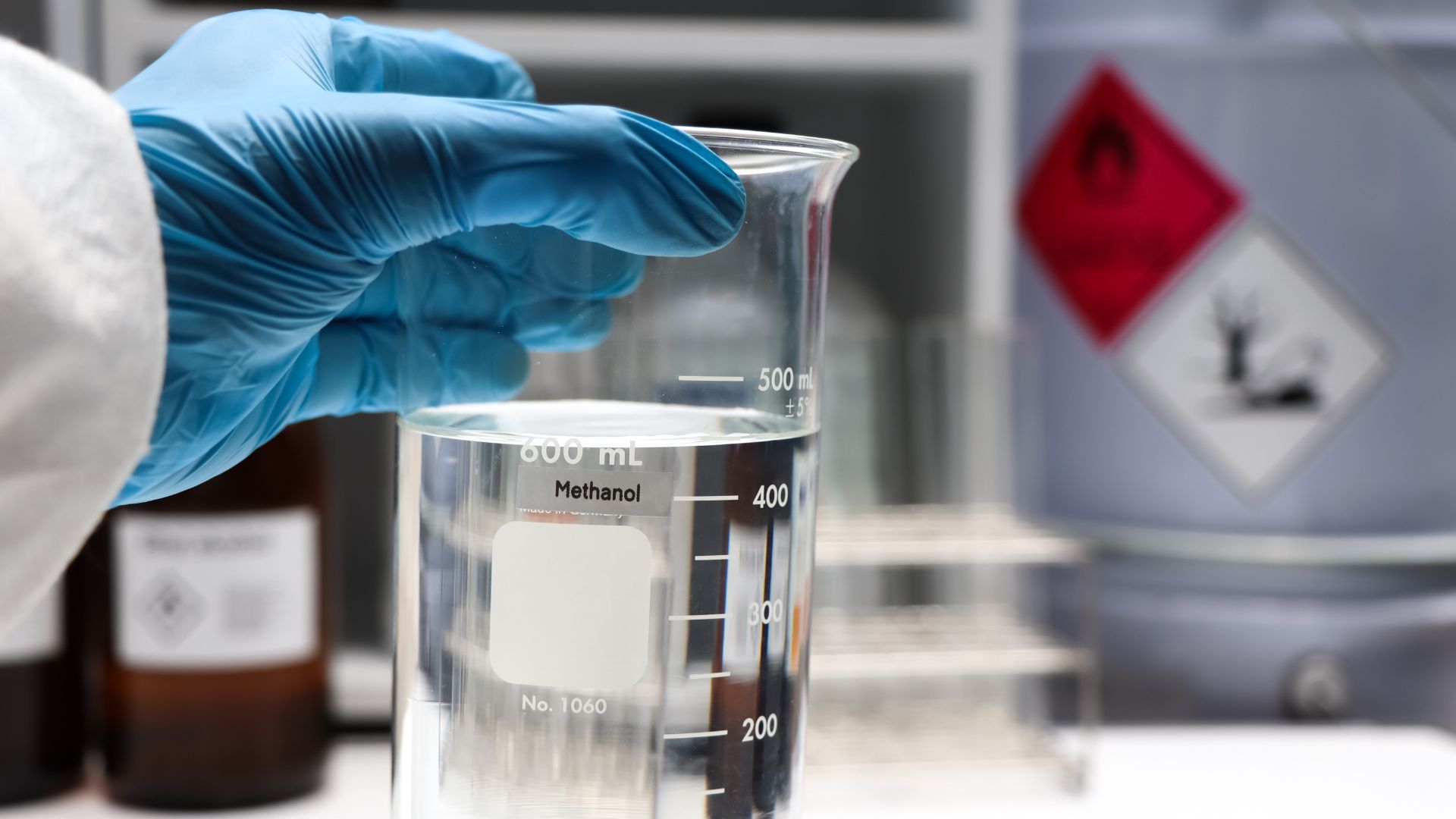
Pulling water from air directly could help make green methanol in dry regions
Full Article
Original Source
Read the full article at Interestingengineering →KhanList aggregates and links to publicly available news content. We do not host full articles from third-party sources. Always verify important information with original sources.