
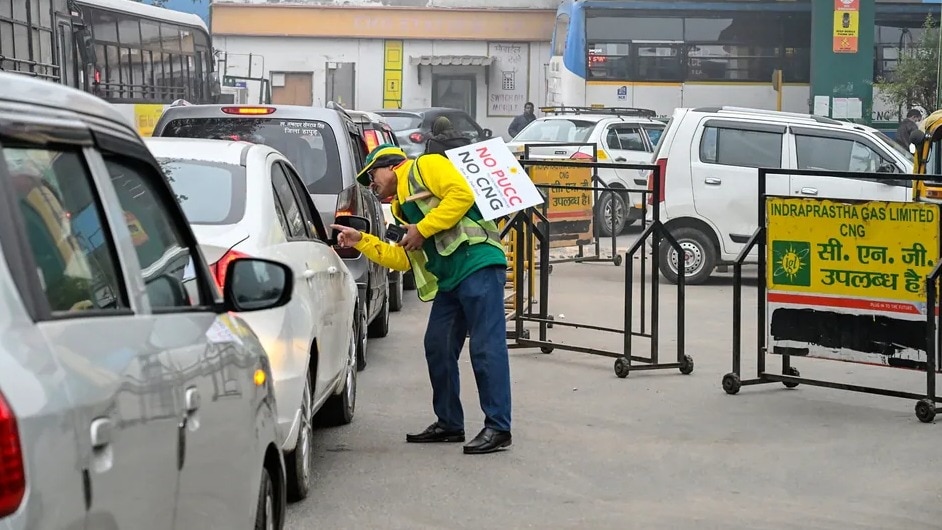
The government has revised the validity periods of Pollution Under Control (PUC) certificates, allowing newer BS-VI-compliant vehicles to go longer between renewals while requiring older vehicles to undergo more frequent checks.Under the new rules notified by the Ministry of Road Transport and Highways on November 13, private BS-VI vehicles up to six years old will require a PUC certificate once every three years. Those aged more than six years but up to 10 years will need annual renewal, while vehicles older than 10 years must renew their certificates every six months.The move comes amid the Delhi government's broader efforts to tackle winter pollution under its annual winter pollution action plan, which includes stricter enforcement of PUC norms, a 'No PUC, No Fuel' policy and restrictions on polluting vehicles. The plan is being implemented from November 1 to February 28 next year.The revised PUC norms also extend the validity period for BS-VI-compliant transport vehicles. Those up to six years old will require renewal once every two years, while vehicles aged more than six years but up to 10 years will need annual renewal. Transport vehicles older than 10 years will continue to require renewal every six months. For vehicles complying with BS-I, BS-II and BS-III emission norms, PUC certificates will be valid for three months. Those complying with BS-IV norms will have a validity period of six months.The changes have been notified through the Central Motor Vehicles (Sixteenth Amendment) Rules, 2026, under the Motor Vehicles Act, 1988, and came into force upon publication in the Official Gazette. The amended rules also clarify when renewed certificates will become effective. If renewal is sought within the 10 days preceding the expiry of an existing certificate, the renewed certificate will take effect from the date of expiry of the previous one.In all other cases where renewal is sought after the certificate has expired, the new certificate will take effect from the date of renewal.For certificates issued before the amended rules came into force, the revised validity schedule will apply only when they are first renewed after the new rules take effect.25,610 VEHICLES CHALLENED FOR NOT HAVING PUC CERTIFICATESThe revised PUC certificate schedule comes amid the Delhi government's broader efforts to tackle vehicular emissions under its annual Winter Action Plan. The government has announced stricter enforcement of pollution norms, including a ban on non-Delhi-registered vehicles below BS-VI emission standards between November 1 and January 31 every year.The crackdown has already seen enforcement agencies issuing challans to 25,610 vehicles for not having valid PUC certificates between November 1 and 17, according to data shared at a review meeting chaired by Chief Minister Rekha Gupta.Authorities also inspected 1,81,548 non-Delhi vehicles below BS-VI standards, excluding CNG and electric vehicles, at the city's borders. Of these, 30,742 were turned back, 2,817 were challaned and 189 were seized. The offending vehicles were collectively fined Rs 5.42 crore.From January to November 16, authorities seized 41,659 old polluting vehicles and scrapped 64,800. Automatic number plate recognition cameras also identified 7,055 old vehicles complying with BS-III emission standards or below over the past 12 months.Delhi Environment Minister Manjinder Singh Sirsa said the government's pollution-control efforts had yielded positive results, adding that it had set a target of reducing pollution by 10-15 per cent every year.- Ends(with inputs from PTI)Tune In
PUC certificates to last longer for newer BS-VI cars, shorter for older ones
Full Article
Original Source
Read the full article at Indiatoday →KhanList aggregates and links to publicly available news content. We do not host full articles from third-party sources. Always verify important information with original sources.