
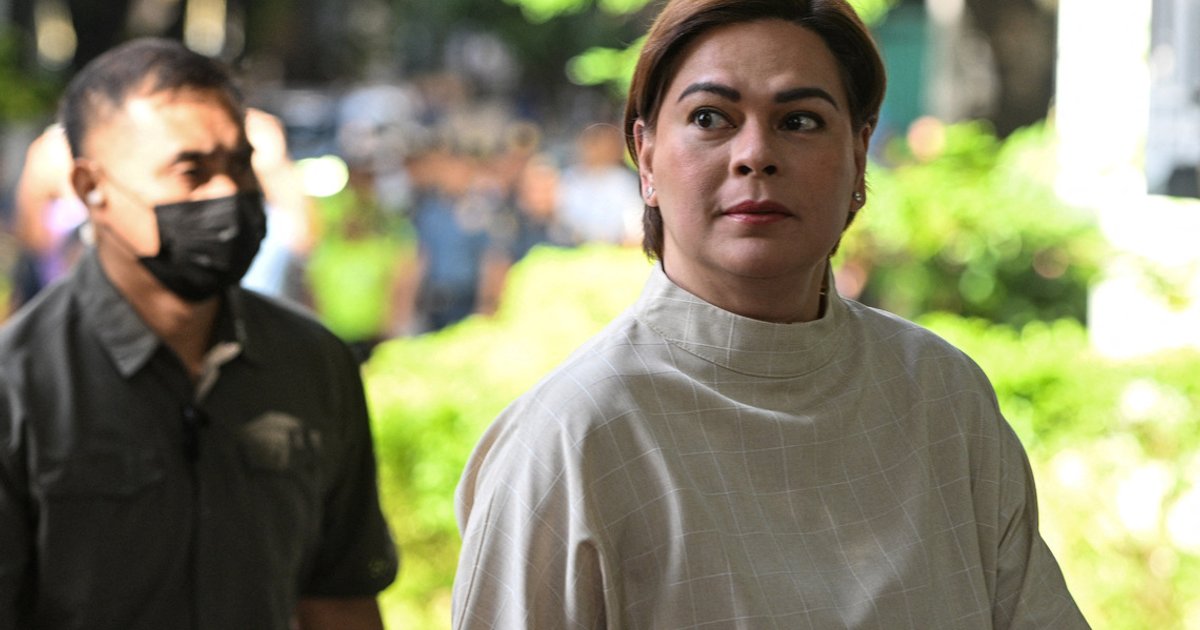
MANILA – Philippine prosecutors are focusing their impeachment case against Vice-President Sara Duterte on a single allegation of unexplained wealth, dropping three other charges, to try to conclude the trial by the end of 2026 before attention shifts to the 2028 election, according to the lead prosecutor.Duterte, daughter of former president Rodrigo Duterte, has consistently led opinion polls for the next election, which President Ferdinand Marcos Jr cannot contest because he is limited to a single term.A conviction could remove Duterte from office and disqualify her from holding public office, potentially ending her presidential bid.Duterte denies wrongdoing and has called the proceedings political harassment.“We’re all in” on the unexplained wealth charge, Gerville Luistro, who leads the House of Representatives’ prosecution panel, said on Nov 10, saying it is the strongest case and there is no need to pursue every charge.“Impeachment fatigue is real,” Luistro said, citing public weariness after investigations dating to 2024 and impeachment proceedings stretching from 2025 into 2026.But analysts say the strategy is high risk.Japhet Quitzon, an associate fellow with the South-east Asia programme at the Center for Strategic and International Studies, said dropping most of the charges, including Duterte’s alleged threats against Marcos, the First Lady and a former House speaker, may have cost prosecutors a “significant piece of narrative”.Those threats, captured on video, raised questions beyond alleged financial wrongdoing to Duterte’s conduct and suitability for the presidency.‘Numbers do not lie’Luistro said the charge of unexplained wealth rested mainly on documentary evidence, including Duterte’s statements of assets, liabilities and net worth, corporate financial statements, tax and property records, firearms registrations and financial transaction reports.She said Duterte herself prepared, signed and filed the asset declarations.A forensic analyst has estimated 817 million pesos (S$16.6 million) in unexplained assets, a figure Duterte’s defence disputes. Her lawyers began their defence on Nov 9.“Numbers do not lie,” Luistro said, adding Duterte’s long experience in government made it difficult to attribute any failure to declare them simply to oversight.The House originally sent four impeachment articles to trial, but prosecutors in October withdrew three covering alleged misuse of public funds, bribery and threats.Luistro said continuing with multiple charges would give the defence more to contest and could push the trial into 2027.“This has to end in 2026,” she said.‘Loyalty is not permanent’Whether the prosecution’s move secures enough votes for conviction remains uncertain.Quitzon said senators would weigh shifting alliances and their political interests ahead of 2028.“No political loyalty is permanent in the Philippines,” he said.The impeachment court gave prosecutors a boost in September when it ruled that only senator-judges able to participate in the trial would count in determining the constitutional two-thirds threshold for conviction.With 4 of 24 senator-judges unable to participate, prosecutors will need 14 votes to convict Duterte rather than 16 if all were sitting.“The number for conviction was reduced, but we should not overlook the fact that the number for acquittal was also reduced,” Luistro said. REUTERS
Prosecutors see Philippine V-P Duterte’s impeachment trial ending in 2026
Full Article
Original Source
Read the full article at Straitstimes →KhanList aggregates and links to publicly available news content. We do not host full articles from third-party sources. Always verify important information with original sources.